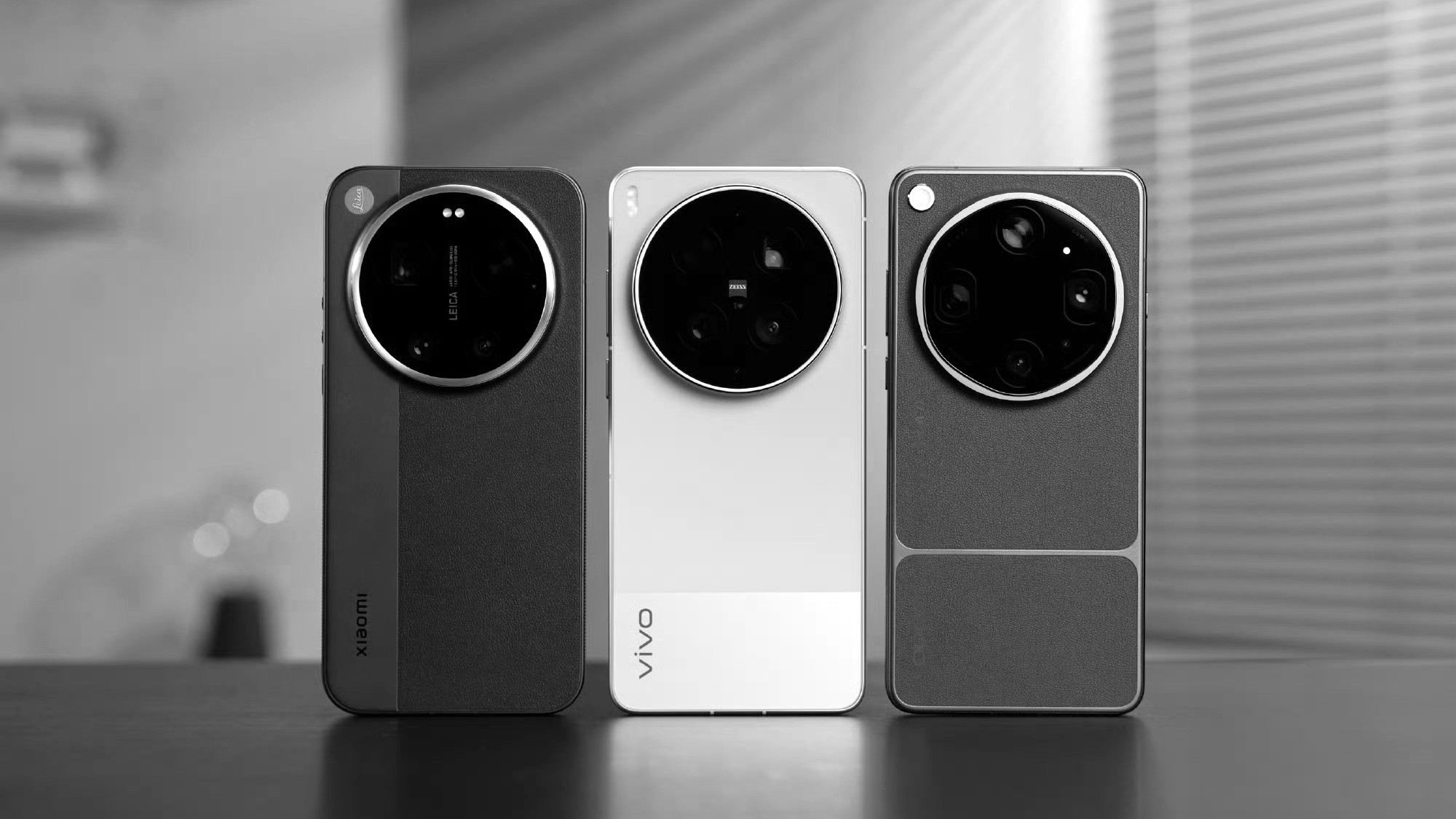
Future Ultra Flagship Phones Could Bring Huge Camera Upgrades, But Launch Plans Look Uncertain
The next wave of ultra-premium camera phones could deliver some of the biggest mobile photography upgrades in years, but not every expected flagship may arrive on schedule. Recent industry rumors suggest that Xiaomi’s high-end roadmap may be changing, with talk that a Xiaomi 18s Ultra might not happen. Instead, the company could move attention toward an earlier Xiaomi 19 Ultra launch.
At the same time, another Xiaomi flagship may be in development under the Mix lineup. This upcoming device is rumored to be aimed mainly at the Chinese market and could feature the new Xring O3 chipset, which is expected to debut soon. It may also borrow some camera-related technology originally associated with the Xiaomi 18 Ultra. Whether this device turns out to be the long-rumored Xiaomi Mix 5 is still unclear.
Even with uncertainty around release schedules, smartphone makers appear to be actively testing bold new ideas for future camera-focused flagships. Much of the innovation is centered on larger sensors, improved dynamic range, stronger zoom systems, and better stabilization.
One of the most interesting technologies being discussed is LOFIC, short for lateral overflow integration capacitor. In simple terms, LOFIC can help a camera sensor capture brighter highlights and darker shadows in the same shot, improving dynamic range without sacrificing detail.
A future ultra flagship, possibly the Oppo Find X10 Ultra, is rumored to be testing a 200-megapixel main camera using Sony’s LYT-901 sensor. This sensor is said to measure 1/1.12 inches, making it one of the larger options for smartphone photography. By combining that high-resolution sensor with LOFIC technology, the phone could produce more balanced images in difficult lighting conditions, such as sunsets, night scenes, backlit portraits, and bright city environments.
Xiaomi was also reportedly exploring LOFIC for its next Ultra model before development plans became uncertain. The technology may have been considered not only for the main camera but also for a 200-megapixel optical zoom camera with a variable focal length. If this type of zoom camera reaches a commercial smartphone, it could significantly improve portrait photography, long-range shots, and overall camera versatility.
Stabilization is another major focus for upcoming flagship phones. As sensors become larger and zoom systems more powerful, keeping the image steady becomes even more important. Better stabilization helps with sharper photos, smoother video recording, clearer night shots, and improved results at longer focal lengths.
Vivo has already pushed this area forward with advanced optical image stabilization on its high-end camera phones. The Vivo X300 Ultra is said to feature 3-degree OIS compensation, which is already impressive for a smartphone. Future models could go much further. Rumors suggest that by 2027, Vivo may test an OIS system capable of up to 8 degrees of compensation.
If achieved, that would bring smartphones much closer to true gimbal-like stabilization. This could make handheld video noticeably smoother and allow users to capture sharper images without relying as heavily on digital processing. However, there may be trade-offs. A more advanced stabilization system could require additional internal space, possibly affecting sensor size or overall camera module design.
For now, many of these technologies remain in the lab stage. That means they are being tested and explored, but they are not guaranteed to appear in mass-produced smartphones anytime soon. Flagship camera phones are becoming increasingly complex and expensive to develop, especially as brands try to combine larger sensors, advanced zoom lenses, custom chipsets, and professional-grade stabilization in a slim device.
Because of that, the traditional yearly upgrade cycle may become harder to maintain in the ultra-premium segment. Instead of launching a new Ultra flagship every year, some brands may move toward a two-year refresh cycle. This would give manufacturers more time to develop meaningful upgrades rather than releasing minor improvements annually.
Still, the future of flagship smartphone cameras looks exciting. With 200MP sensors, LOFIC dynamic range improvements, variable optical zoom, custom imaging chipsets, and gimbal-like stabilization all being tested, the next generation of Android camera phones could bring a major leap in mobile photography.
The only big question is which brands will actually bring these ideas to market first, and whether upcoming models like the Xiaomi 19 Ultra, Xiaomi Mix 5, Oppo Find X10 Ultra, or future Vivo Ultra phones will be the devices that turn these experimental camera technologies into real consumer features.