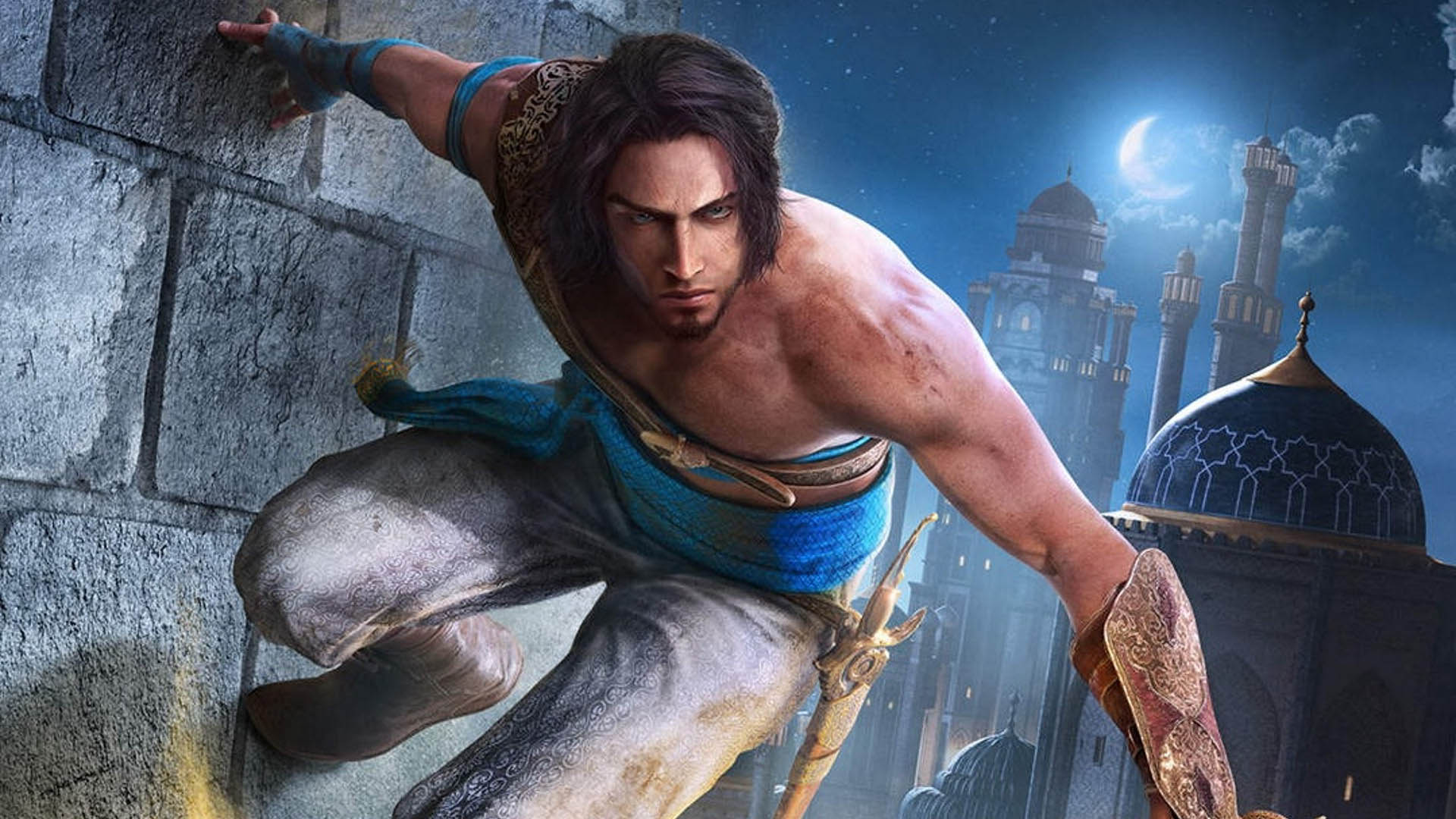
Ubisoft has reportedly pulled the plug on Prince of Persia: The Sands of Time Remake, marking a major shift in strategy as the publisher moves into what it calls a company-wide “reset.” Alongside the long-awaited remake, Ubisoft is also canceling four additional projects that had not been announced publicly, including three brand-new IPs and one mobile game.
The publisher says these cancellations are part of a broader plan to concentrate resources on a smaller set of titles. By clearing projects off the slate, Ubisoft intends to dedicate more development time and attention to seven other games, with the stated goal of meeting higher quality targets and improving long-term returns. One of those games was originally positioned for the company’s fiscal 2026 window, but it has now been delayed much further out, highlighting just how dramatically Ubisoft is reshaping its roadmap.
In a statement, Ubisoft founder and CEO Yves Guillemot framed the move as a response to a changing AAA landscape. He emphasized that big-budget gaming has become more competitive and expensive, with greater difficulty in launching new brands. At the same time, he argued that when AAA games succeed, their financial upside is larger than ever—raising the stakes for every major release.
To adapt, Ubisoft says it is reworking its operating model around two primary pillars: open-world adventure games and experiences designed from the ground up as “GaaS-native,” meaning live service-style games intended to evolve over time. According to Guillemot, the company’s goal is to create the conditions needed to deliver higher-quality releases and return to sustainable growth.
A key part of this restructuring is the creation of “Creative Houses,” described as integrated business units that combine production and publishing so teams can move faster and maintain a more direct connection with players. Each unit will focus on a specific genre and brand, with leadership teams holding responsibility and financial ownership. Ubisoft positions this as a major decentralization effort meant to speed decision-making while still relying on shared, cross-functional support services across the company.
However, the reset also comes with significant cost-cutting. Ubisoft says it will accelerate reductions to “rightsize” the organization, discontinue several games currently in development, and give additional time to certain projects to better hit quality benchmarks. The company also indicated that it will selectively close studios and continue restructuring across the group. Guillemot acknowledged the difficulty of these decisions, but described them as necessary to build a more focused and sustainable Ubisoft over the long term.
Ubisoft also warned that these actions will affect its near-term financial outlook, particularly across fiscal years 2026 and 2027. Even so, the company maintains that the streamlined portfolio and organizational overhaul are designed to strengthen the business, improve cash generation, and help Ubisoft reclaim creative momentum for players and stakeholders in the years ahead.