TSMC CEO Pushes Back on Advanced Packaging Doubts as AI Chip Demand Accelerates
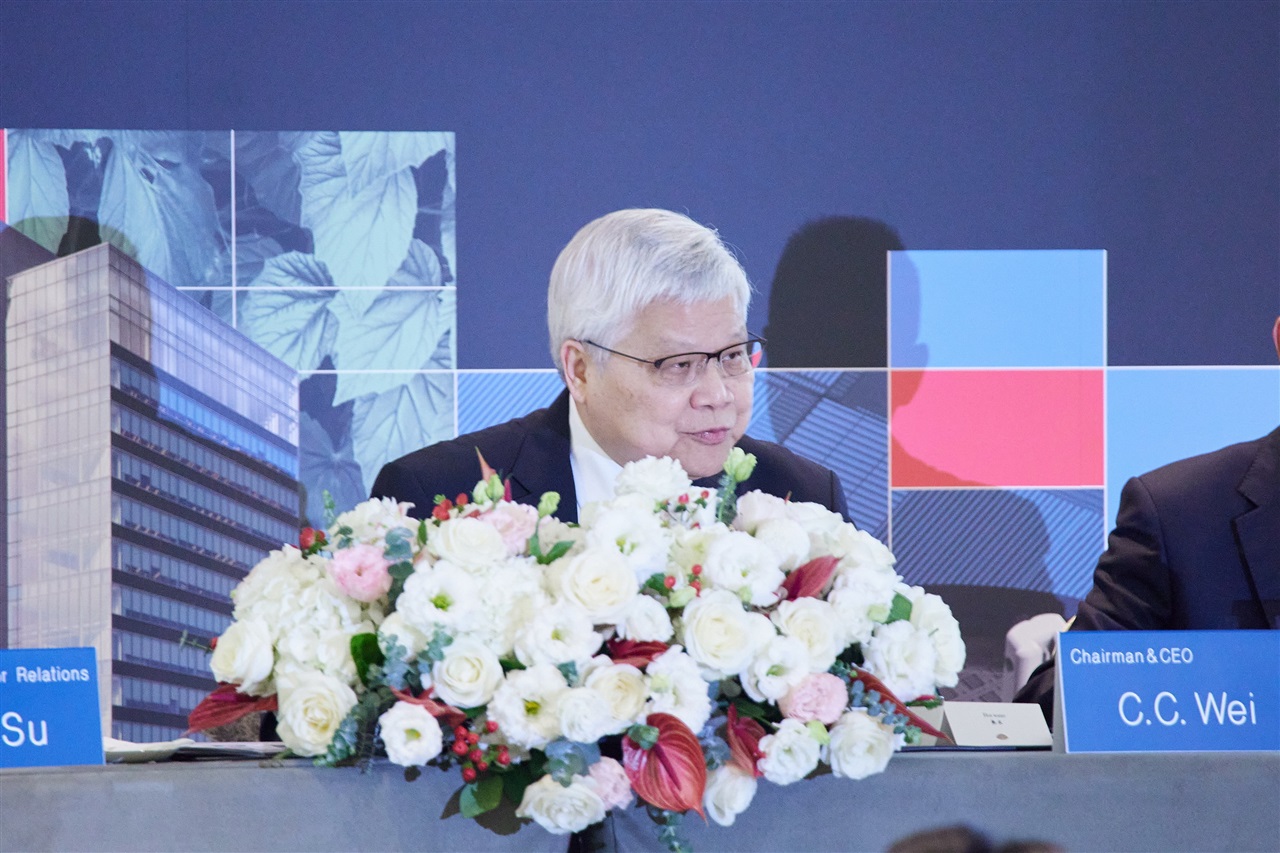
TSMC Chairman and CEO C.C. Wei used the company’s second-quarter 2026 earnings call to address growing questions around the future of its advanced chip packaging business. As demand for AI processors, high-performance computing chips, and next-generation semiconductor designs continues to climb, investors and analysts have been closely watching whether competing packaging technologies could weaken TSMC’s position.
Wei’s message was clear: TSMC does not see rival packaging approaches as a major threat to its advanced packaging roadmap. Instead, the company believes its strength comes from scale, manufacturing experience, customer trust, and a deeply integrated ecosystem that connects leading-edge chip production with advanced packaging services.
Advanced packaging has become one of the most important parts of the semiconductor industry, especially as AI chips become larger, more complex, and more power-hungry. Traditional chip scaling alone is no longer enough to deliver the performance improvements customers need. As a result, technologies such as 2.5D packaging, chiplet integration, and high-bandwidth memory packaging have become essential for building powerful AI accelerators and data center processors.
TSMC’s CoWoS packaging technology has played a major role in this shift. It allows logic chips, such as GPUs and AI accelerators, to be placed close to high-bandwidth memory, improving data transfer speeds while reducing power consumption. This is especially important for artificial intelligence workloads, where memory bandwidth is often just as critical as raw computing performance.
During the earnings discussion, Wei pushed back against the idea that bridge-based packaging technologies from competitors could meaningfully disrupt TSMC’s advanced packaging business. While alternative approaches may have specific advantages in certain designs, TSMC appears confident that customers are looking for more than a single packaging method. They want reliable volume production, strong yields, proven manufacturing processes, and close coordination between chip fabrication and packaging.
That complete package is where TSMC believes it has an advantage. The company is not simply offering packaging as a separate service. It is positioning advanced packaging as part of a broader manufacturing platform that starts with leading-edge nodes and extends all the way to system-level chip integration.
Wei also addressed another topic that has drawn attention: whether TSMC should move more directly into the memory business. With high-bandwidth memory becoming a critical component for AI chips, some observers have questioned whether TSMC should expand beyond logic semiconductors and enter the memory market itself.
TSMC’s stance remains cautious and focused. The company is not expected to become a memory manufacturer. Instead, it will continue working closely with memory suppliers to integrate HBM with advanced logic chips through its packaging technologies. This strategy allows TSMC to support the AI chip supply chain without directly competing with memory partners.
That approach also fits TSMC’s long-standing business model. The company has built its reputation as a pure-play foundry, manufacturing chips for a wide range of customers without designing competing products of its own. Entering the memory market could complicate those relationships and create unnecessary conflicts across the semiconductor ecosystem.
The bigger picture is that TSMC sees advanced packaging as a long-term growth driver, not a temporary boost from the AI boom. As chipmakers move toward increasingly complex architectures, packaging will become more important in determining performance, efficiency, and cost. AI servers, cloud computing platforms, networking hardware, and high-performance computing systems are all expected to rely more heavily on advanced packaging in the coming years.
TSMC has been expanding capacity to meet this demand, particularly for CoWoS, where supply has been tight due to the rapid growth of AI accelerator shipments. The company’s ability to increase output will be closely watched by customers and investors, since packaging capacity has become one of the key bottlenecks in the AI hardware supply chain.
Wei’s comments suggest that TSMC is confident in both its technology roadmap and its market position. Rather than reacting defensively to competing solutions, the company appears focused on scaling production, improving efficiency, and strengthening partnerships with customers and memory suppliers.
For the semiconductor industry, the message is significant. The next phase of chip performance will not be determined only by smaller transistors. It will also depend on how effectively companies can connect multiple chiplets, integrate high-speed memory, and package everything into powerful, efficient systems.
TSMC wants to remain at the center of that transition. Based on Wei’s remarks, the company believes its combination of leading-edge manufacturing and advanced packaging gives it a strong foundation as AI demand continues to reshape the global chip market.