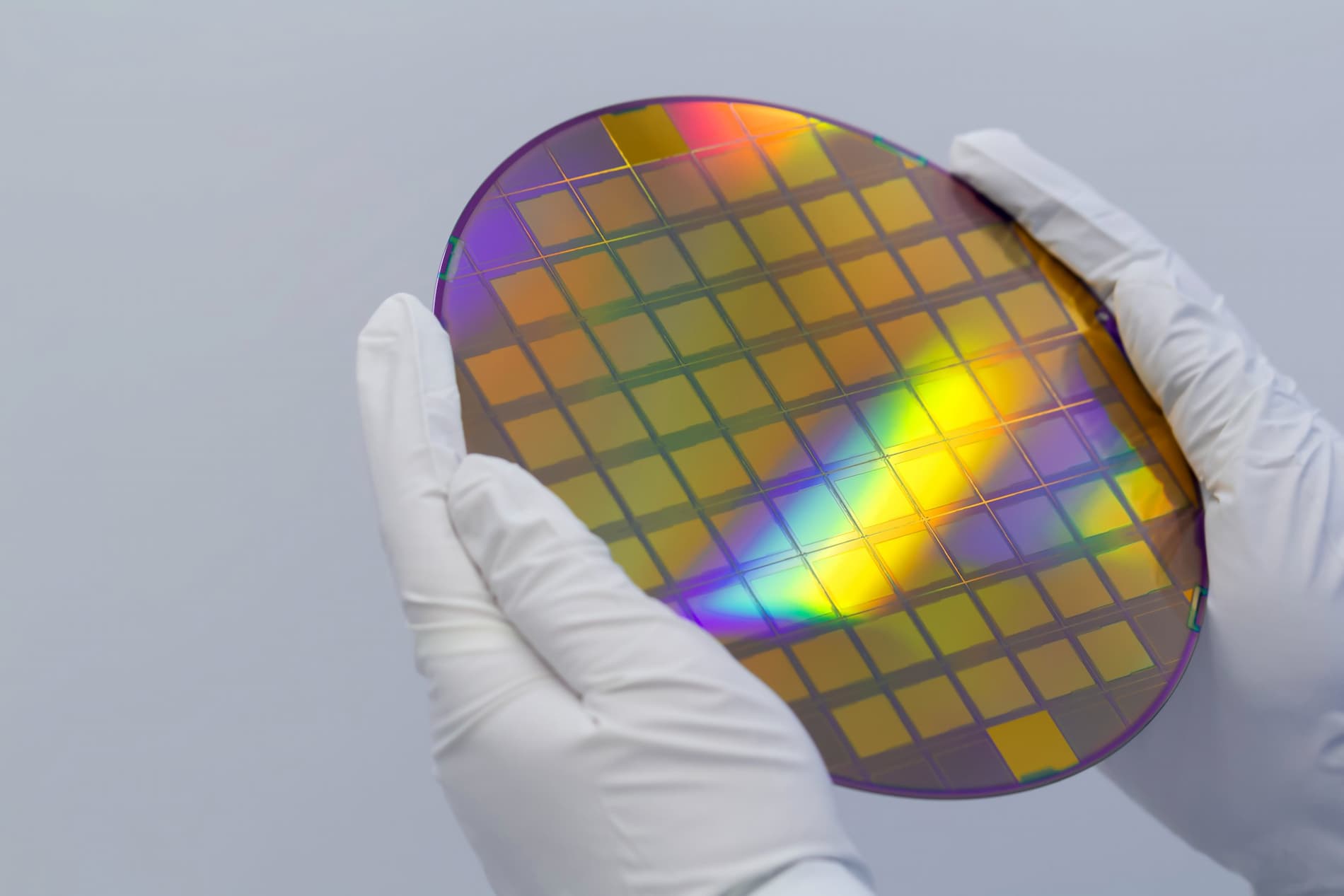
The road to launching the 2nm chip process is still a journey, but it seems TSMC is making impressive strides. While they’re busy ramping up their 3nm ‘N3P’ technology for a variety of renowned clients, the trial production of their next-gen 2nm node has sprung some unexpected good news—yield results surpassing 60 percent. This is remarkable given that they’re still in the developmental phase. Meanwhile, Samsung finds itself in a challenger’s role with its Exynos chipset, codenamed ‘Ulysses’, being crafted on a second-gen 2nm process, but details about its yield success remain under wraps. For now, TSMC is leading the race.
Excitement builds as mass production for the 2nm process is slated for next year, with signs pointing to a higher demand for 2nm wafers compared to TSMC’s 3nm versions. Liberty Times highlights TSMC overcoming what many considered its toughest hurdle yet—achieving stellar yields for its 2nm process. And while there’s room for further refinements, TSMC aims to elevate these yields to 70 percent before major industry players such as Apple, Qualcomm, and MediaTek start placing significant orders.
The timeline presents a favorable window for TSMC, with mass production likely to begin in 2025. Although the exact date remains a mystery, it’s clear that demand for these advanced wafers could boost TSMC’s growth dramatically in the future. In anticipation of this surge, TSMC is setting up not one, but two 2nm fabrication facilities, with a potential monthly output goal of 40,000 wafers.
The buzz around which tech giant gets the first 2nm shipments is palpable, especially since Apple’s COO Jeff Williams recently made a trip to the region. Speculation abounds that Apple wants to ensure it leads the technology race by being the first to receive TSMC’s cutting-edge products, reinforcing their solid partnership. However, despite this close relationship, the debut of a 2nm SoC in the iPhone could wait until the iPhone 18 series in 2026, aligning with analyst Ming-Chi Kuo’s predictions.
Witnessing TSMC’s advancements, it’s no wonder why leading tech companies will be eager to secure their place in line. Indeed, the future of semiconductor innovation looks exceedingly bright and promising.


