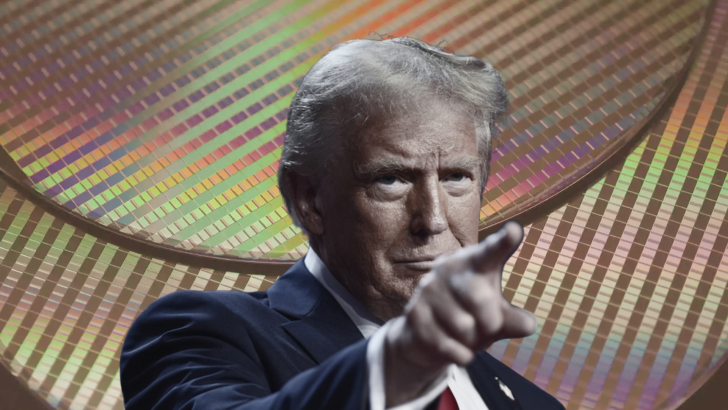
The tech world is in anticipation as potential tariffs from the Trump administration could significantly impact Taiwan’s semiconductor markets. If enacted, these duties might lead to chip price hikes of up to 15%, potentially causing ripples across the consumer technology manufacturing industry.
Trump’s commitment to the “Made In USA” movement seems to be at the heart of this policy shift. Reports suggest that Taiwan might soon be under the U.S.’s tariff umbrella due to a broader push to localize chip production. This potential move follows tariffs previously levied on Mexico, Canada, and China, marking Taiwan as a prospective next target.
Should these tariffs take effect, the semiconductor sector might experience a drastic 15% price increase. This escalation would likely force major tech companies to revisit their current and future orders, leading to higher costs for manufacturing both upcoming and existing technology products.
The U.S. aims to strengthen domestic chip production, and these tariffs might serve as a catalyst for companies like TSMC to expedite establishing manufacturing facilities on American soil, thereby avoiding additional taxes. Trump has previously accused Taiwan of “stealing US tech,” suggesting financial repercussions could be on the horizon.
TSMC has already begun addressing this shift with its Arizona facility, which is the forefront of its U.S. projects. They have kickstarted 4nm production and are planning advancements up to 2nm, although these efforts face financial challenges. The profit margins from U.S. manufacturing are reportedly lower than those in Taiwan, which could render production unsustainable without potential government subsidies.
In light of these potential tariffs, TSMC might also consider increasing prices for its more mature production nodes, such as the 7nm and above, placing additional financial pressure on the company should the tariffs be enforced.
While the tariffs may be intended as a bargaining tool, their implementation threatens to disrupt the already delicate semiconductor supply chain, posing a considerable challenge for the broader consumer tech industry.