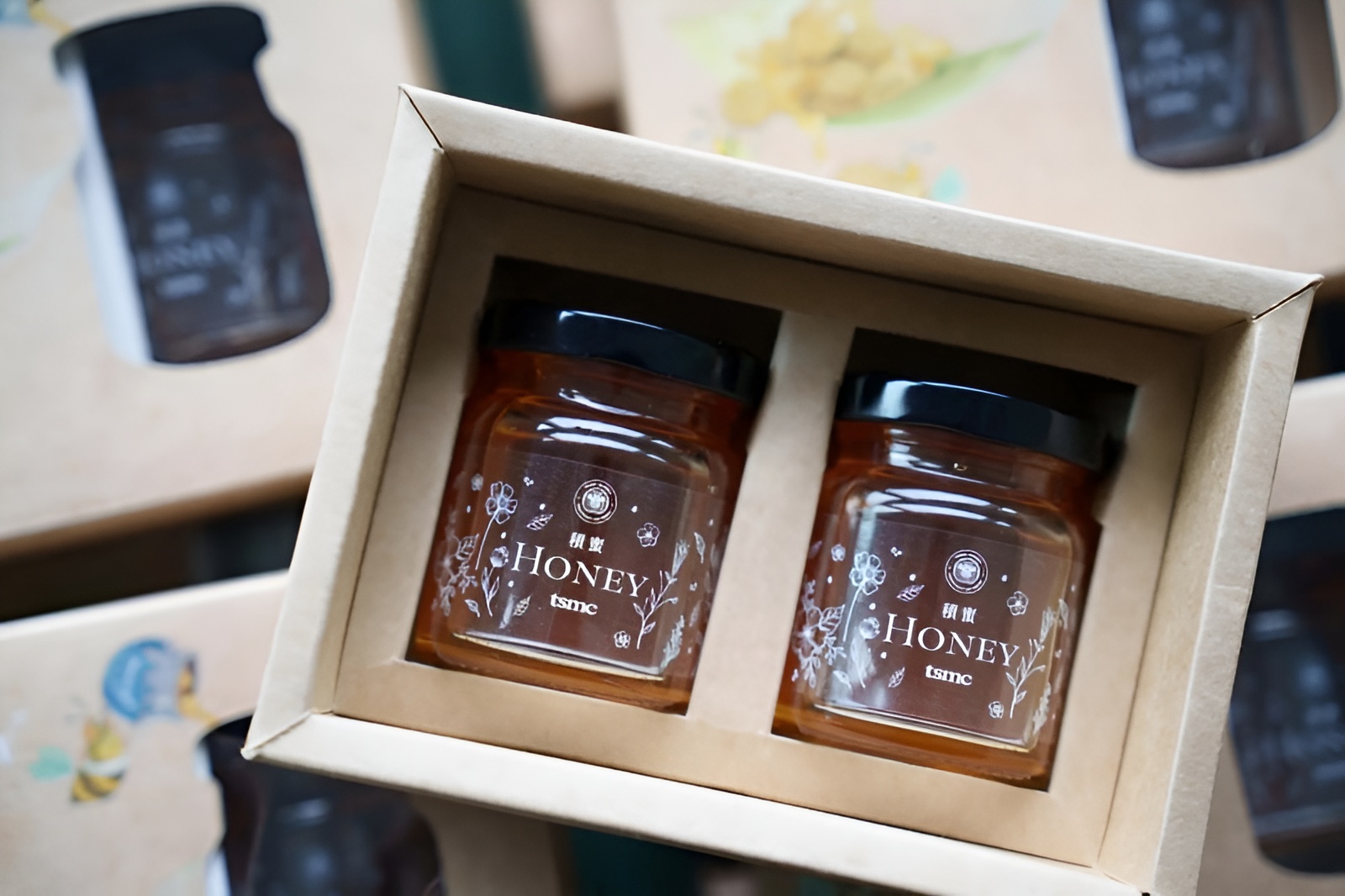
TSMC turns sustainability into something sweet—literally. At the 2025 Asia Pacific Sustainability Expo, the Taiwan-based chipmaker showcased its own “Ji Mi” honey, produced in collaboration with local beekeepers and Tunghai University. The honey is more than a novelty; it’s meant to symbolize a broader push to protect and restore biodiversity around the company’s manufacturing sites.
As the world’s leading contract chipmaker, TSMC consumes significant land and water resources, and the company says it has made it a priority to minimize its environmental footprint. Beyond advancing next-generation process nodes, TSMC emphasizes that safeguarding the ecosystems surrounding its fabs is part of its core responsibility. According to the firm, its green manufacturing initiatives have already helped improve local habitats, with reports of endangered species returning near its water-intensive facilities.
Water stewardship is a key pillar of that effort. Modern fabs rely on vast amounts of ultra-clean water for wafer processing steps such as lithography, etching, deposition, and polishing. After previously facing water management challenges, TSMC says it has shifted to a more sustainable approach, with notable progress:
– Up to 90% water recovery at 12-inch fabs
– A recycled water replacement rate targeted to reach as high as 30% by 2030
The honey project adds a tangible, community-focused dimension to these environmental programs. Bees are widely recognized as indicators of ecological health, and the presence of thriving hives near industrial operations can be a promising sign. The “Ji Mi” jars—available in different flavors—serve as a sweet reminder of what corporate sustainability can look like when tech and nature coexist.
TSMC’s message is clear: high-performance chips and high-impact conservation can go hand in hand. If the company’s approach continues to scale, it could become a reference point for sustainable semiconductor manufacturing—where restoring wildlife, improving water use, and engaging local partners are all part of the blueprint.