Kyushu Chip Production Surges 60% as TSMC Expansion Transforms Japan’s Semiconductor Hub
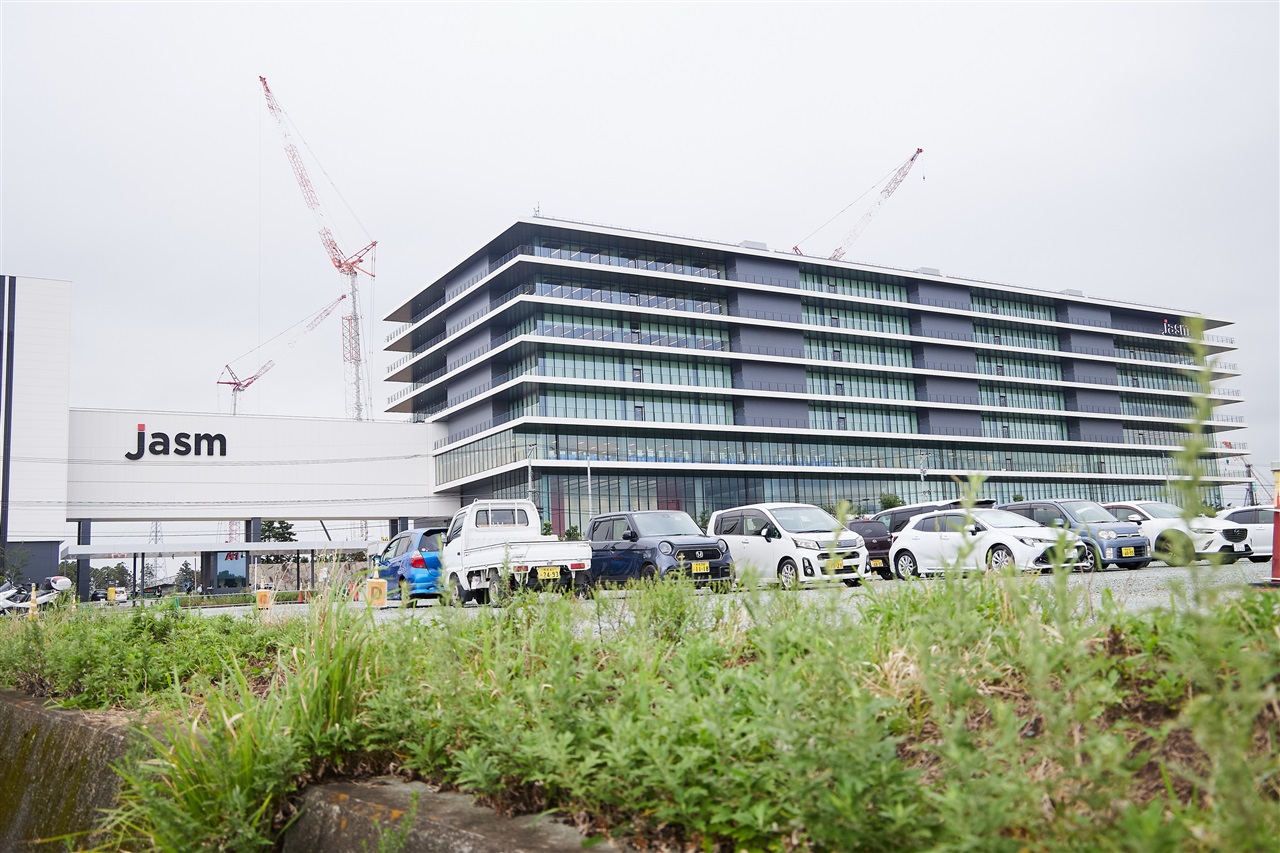
Kyushu is rapidly emerging as one of Japan’s most important semiconductor centers, with chip production, investment, and hiring all rising sharply following TSMC’s major expansion in Kumamoto. The region, already known for its strong manufacturing base, is now experiencing a powerful wave of growth driven by demand for advanced semiconductors and supply chain resilience.
Since TSMC announced its plans in Kumamoto, semiconductor output across Kyushu has jumped by around 60%, highlighting how quickly the area is becoming a key player in Japan’s renewed push to strengthen domestic chip production. The expansion has attracted suppliers, equipment makers, construction firms, logistics providers, and engineering talent, creating a broader economic impact across the region.
The Kumamoto project has also triggered a hiring boom. Companies connected to chipmaking are expanding their workforce, while local governments and educational institutions are working to train more skilled workers for semiconductor-related jobs. Demand is rising for engineers, technicians, factory workers, and specialists in materials, precision equipment, and facility management.
Investment has followed the same upward trend. New factories, infrastructure upgrades, and support facilities are being developed to serve the growing semiconductor ecosystem. Roads, utilities, housing, and industrial zones are also receiving attention as Kyushu prepares for long-term growth in the chip sector.
However, despite the surge in activity, local companies have so far secured only a limited portion of the spending connected to the semiconductor boom. Much of the large-scale procurement and specialized work continues to go to established national and international suppliers with deep experience in advanced chip manufacturing.
This has created both opportunity and concern for Kyushu’s local business community. Smaller regional firms are eager to participate in the expanding supply chain, but many face challenges meeting the strict quality, volume, and technical requirements of semiconductor production. The chip industry demands high precision, stable delivery, advanced certification, and significant investment in equipment and workforce training.
For local companies, the next phase of growth may depend on how quickly they can upgrade their capabilities and integrate into the semiconductor supply network. Businesses in construction, cleaning, maintenance, packaging, transportation, chemicals, and precision parts may all find openings if they can meet industry standards.
Kyushu’s semiconductor boom also brings wider economic effects. Rising employment and investment can boost consumer spending, support local services, and increase tax revenue. At the same time, rapid growth may create pressure on housing, transportation, wages, and public infrastructure. Managing this balance will be important as Kumamoto and surrounding areas continue to attract chip-related development.
Japan has been working to rebuild its position in the global semiconductor industry, and Kyushu is becoming central to that strategy. The region’s proximity to Asian supply chains, experienced manufacturing workforce, and growing cluster of chip-related companies make it a strong candidate for further expansion.
TSMC’s presence in Kumamoto has already changed the outlook for Kyushu’s economy. The 60% jump in semiconductor production shows the scale of the transformation underway. Yet the full benefits of this growth will depend on whether local businesses can capture a larger share of future investment.
If regional firms can adapt and move up the value chain, Kyushu could become more than just a production base. It could develop into a powerful semiconductor ecosystem that supports innovation, high-quality jobs, and long-term economic growth across southwestern Japan.