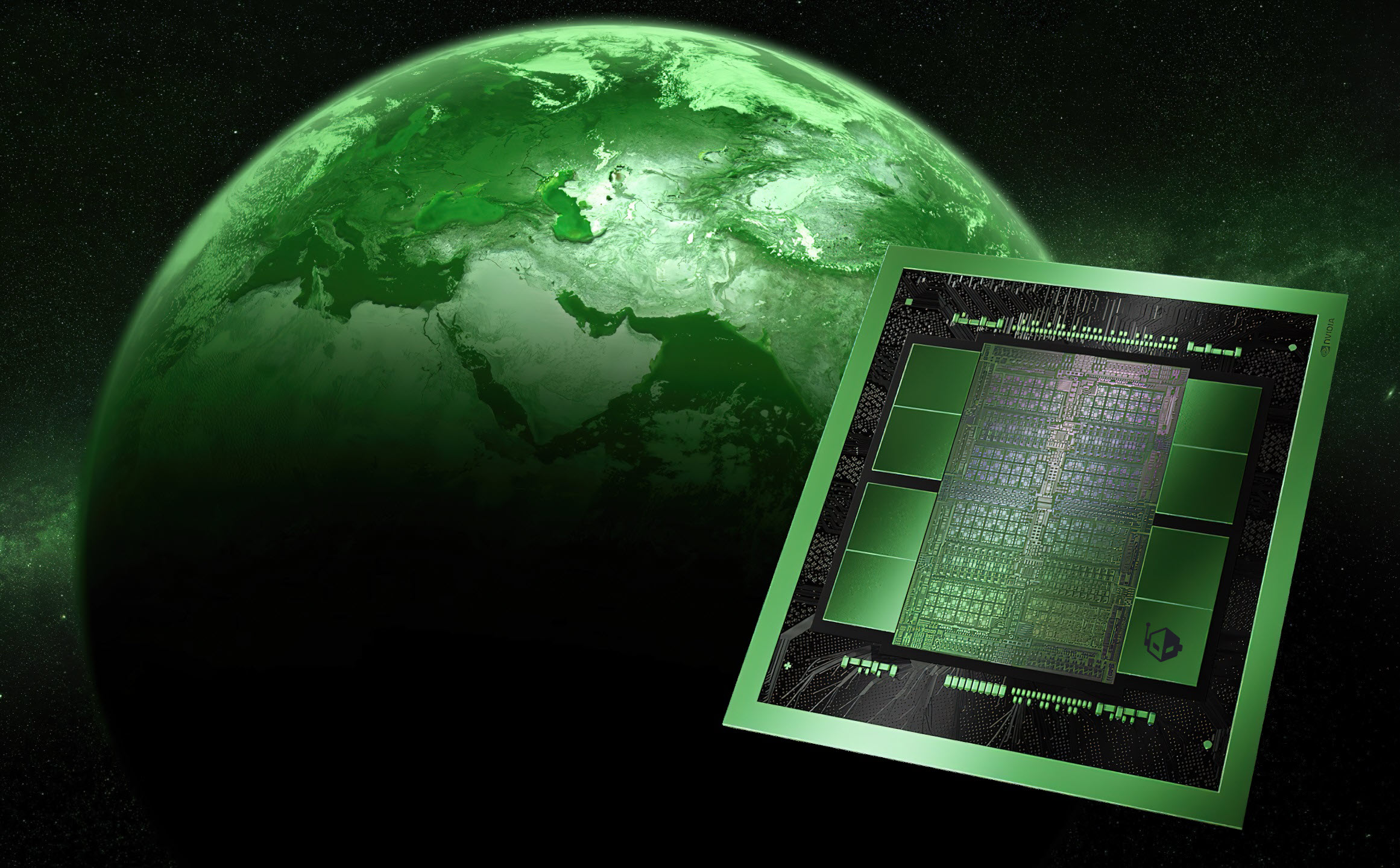
The Middle East is emerging as a significant player in the AI landscape, with countries like Saudi Arabia, Qatar, and the UAE poised to invest billions in advanced technology. This shift comes amid the U.S.’s cautious stance on NVIDIA’s dealings in China, where NVIDIA has traditionally secured a substantial portion of its revenue.
During a recent visit to Saudi Arabia, President Trump, accompanied by NVIDIA CEO Jensen Huang, witnessed the launch of the state-backed AI firm HUMAIN. This firm is set to forge billion-dollar partnerships with NVIDIA and AMD, targeting the construction of large-scale, gigawatt-capable data centers. HUMAIN plans to acquire over 18,000 NVIDIA Blackwell Ultra GB300 AI clusters and develop an AI infrastructure capable of 500 megawatts in the next five years. Additionally, a $10 billion deal with AMD is on the horizon.
NVIDIA’s interest wasn’t confined to Saudi Arabia. In the UAE, the leading AI company G42 revealed its plans to purchase over a million NVIDIA AI chips over the next decade. This strategic push underscores a broader U.S. strategy to diversify trade relations beyond China, offering companies like NVIDIA an opportunity to tap into the vast financial resources of the Gulf region.
While these developments hold promise, there are concerns. U.S. officials have advised caution, warning that accelerating AI deals might compromise national security. There is a risk that China could bypass regulations and gain access to these chips, potentially hindering U.S. advancements in AI.
As the Middle East becomes a key player in AI investment, the region’s financial backing could reshape the industry’s global dynamics. The question remains whether the rewards will outweigh the risks in this evolving geopolitical landscape.