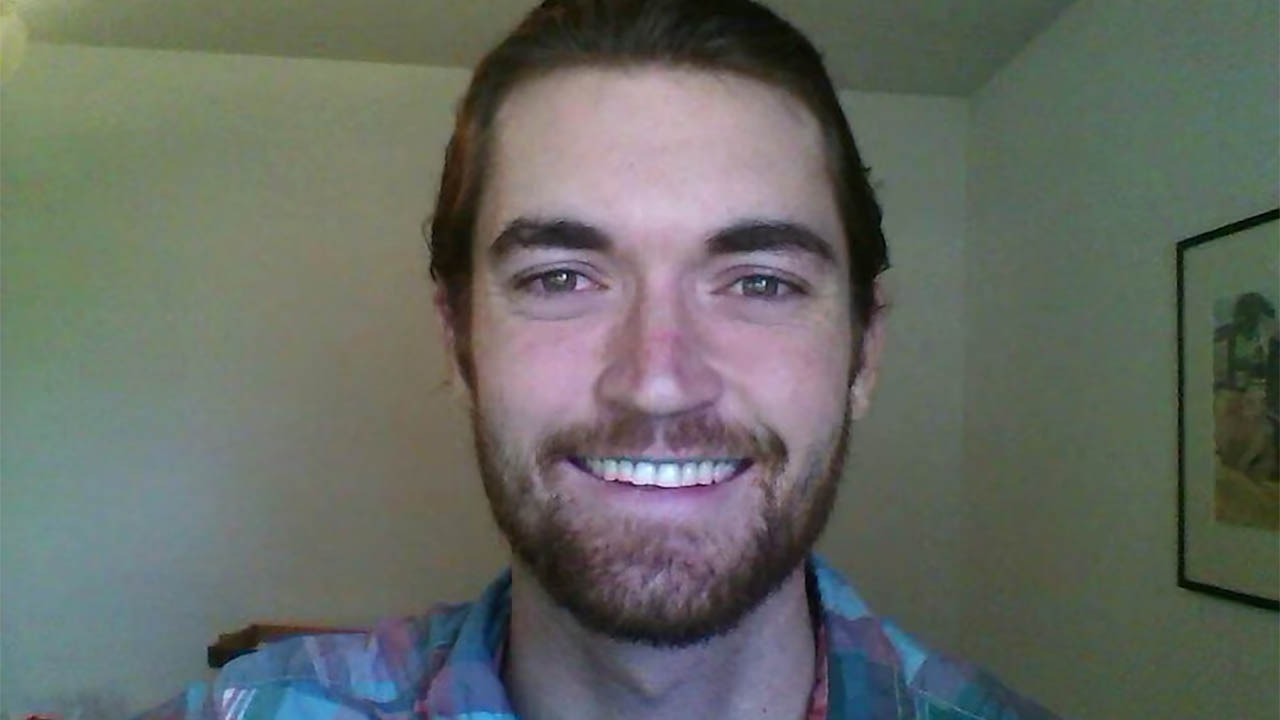
In a surprising turn of events, President Trump has made headlines by granting a full pardon to Ross Ulbricht, the creator of the notorious Silk Road online marketplace. This announcement comes nearly ten years after Ulbricht was sentenced in 2015 on multiple charges linked to his creation and operation of the dark web platform.
Trump took to his Truth Social account to make public the “full and unconditional pardon,” stating that he had personally informed Ulbricht’s mother. The President highlighted this move as a gesture of appreciation for the Libertarian Movement’s support, a group that had been vocal in its backing of his campaign. “In honor of her and the Libertarian Movement, I was pleased to sign a full and unconditional pardon for Ross,” Trump wrote. He criticized the legal process that led to Ulbricht’s conviction, suggesting that the people responsible for his sentence were also adversaries in his own political battles.
The Silk Road, launched in 2011, quickly attracted law enforcement’s scrutiny due to its illegal activities, leading to Ulbricht’s arrest in 2013. Although he was not directly linked to violent acts, Ulbricht was handed double life sentences plus 40 years without the possibility of parole.
Throughout the years, Ulbricht made multiple attempts to overturn his sentence. He appealed to the Second Circuit of the U.S. Court of Appeals in 2017 and later approached the Supreme Court in 2018; however, both efforts failed.
President Trump’s decision to pardon Ulbricht fulfills one of his key promises to libertarian supporters, marking a significant moment in his presidency, underscored by a wave of pardons and executive actions. This move could provoke widespread discussion regarding judicial sentencing and the scope of executive clemency.