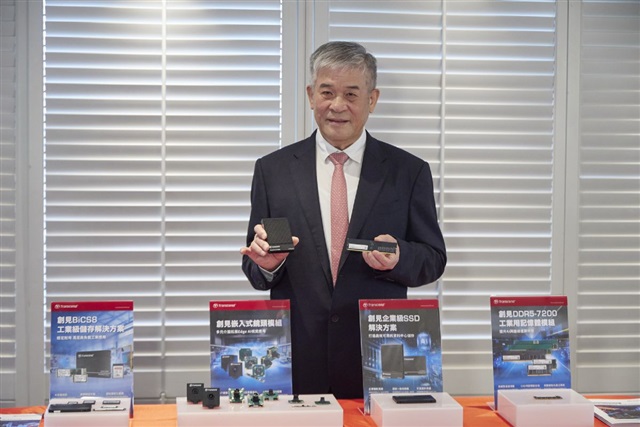
DRAM and NAND flash pricing may be heading into a more stable phase after a turbulent period for the memory market. Peter Shu, chairman of Taiwanese memory module manufacturer Transcend, expects prices for both DRAM and NAND flash to stabilize by the third quarter of 2026 before moving into a plateau.
According to Shu’s outlook, the sharp price increases seen across the memory industry may begin to lose momentum once supply and demand become more balanced. While major additional price hikes appear less likely, a significant price drop also does not seem to be on the horizon.
The main reason is continued tightness in the DRAM market. Demand for DRAM remains strong, particularly as data centers, artificial intelligence systems, consumer electronics, and enterprise hardware continue to require larger memory capacities. With supply still constrained, DRAM prices are expected to remain firm even if the pace of increases slows.
NAND flash, however, appears to be in a more balanced position. Supply conditions for NAND flash have improved, suggesting that availability is no longer as pressured as DRAM. This could help keep NAND flash prices from rising aggressively, although a major decline is still considered unlikely if manufacturers continue to manage production carefully.
For consumers and businesses, this forecast suggests that memory and storage products may not become significantly cheaper in the near term. Buyers looking for RAM, SSDs, memory cards, or storage upgrades could continue to see stable or elevated prices through 2026, especially for DRAM-based products.
The broader memory market remains closely tied to global demand from AI infrastructure, cloud computing, smartphones, PCs, servers, and industrial applications. If DRAM supply remains limited while demand continues to grow, prices may stay resilient even after the market stabilizes.
Overall, the memory industry appears to be moving toward a steadier pricing environment rather than a sharp correction. DRAM is expected to remain the tighter segment, while NAND flash supply looks more stable. As a result, 2026 could bring fewer sudden price jumps, but shoppers should not expect dramatic discounts anytime soon.