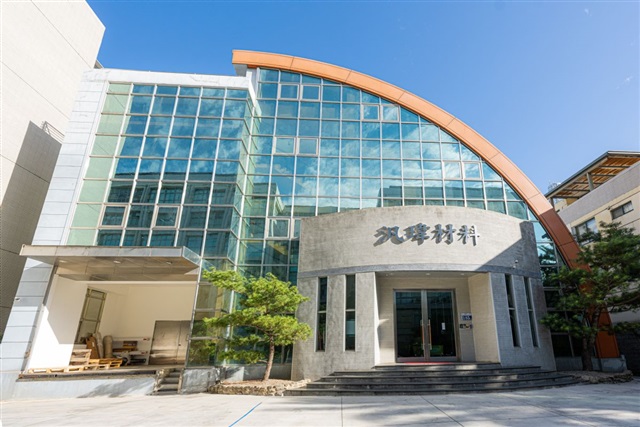
Trans-Sun Materials Technology is sharpening its focus for the next growth cycle, naming AI servers and industrial computers as its primary engines for 2026. The electronic functional materials specialist is positioning itself to ride the surge in data center build-outs and factory automation, while a new joint venture factory in Thailand is expected to come online and add production capacity to meet rising demand.
Why AI servers and industrial computers
Enterprises and cloud providers are rapidly scaling AI infrastructure, which places intense performance and reliability demands on the materials that go into servers. From power-dense designs to round-the-clock workloads, AI systems need components that can handle heat, vibration, and long service lives. Industrial computers face a similar challenge on the factory floor, where durability, stability, and predictable supply are paramount. By aligning its portfolio with these needs, Trans-Sun is targeting segments with higher technical barriers and steady, long-term demand.
Strategic manufacturing move in Thailand
The upcoming joint venture plant in Thailand is designed to strengthen regional production, shorten lead times for customers across Asia, and diversify the company’s manufacturing footprint. This move supports stronger supply chain resilience, offers proximity to key electronics hubs, and creates room to scale as orders for AI-related and industrial systems ramp up. As production begins, the Thailand facility is expected to complement existing operations, improve logistics, and support faster qualification cycles for new materials.
Momentum across automation and robotics
As factories adopt smarter equipment and edge AI, industrial PCs are increasingly paired with robotics, machine vision, and autonomous systems. Materials that ensure thermal stability, electrical reliability, and mechanical integrity can be pivotal in these use cases. By focusing on AI servers and industrial computers—and adjacent areas like robotics—the company is aligning with secular trends in automation, quality control, and predictive maintenance.
What this means for 2026
Trans-Sun’s strategy suggests a shift toward higher-value applications where performance, certification, and lifecycle support matter most. The combination of:
– expanding capacity through a Thailand joint venture,
– deepening focus on AI servers and industrial PCs,
– and addressing automation-related demand
positions the company to capture growth as customers standardize on next-generation data center and factory systems.
Key takeaways
– Growth engines identified for 2026: AI servers and industrial computers, with opportunities connected to robotics and automation.
– Thailand joint venture factory: expected to begin production, adding capacity, improving delivery times, and enhancing supply-chain resilience.
– Market drivers: accelerating AI infrastructure build-outs, edge computing, and Industry 4.0 adoption.
– Strategic benefit: a tighter focus on high-spec, reliable materials for mission-critical systems.
With AI compute and industrial automation on the rise, Trans-Sun Materials Technology is aligning its product roadmap and manufacturing footprint to meet the demands of these fast-growing, high-reliability markets.