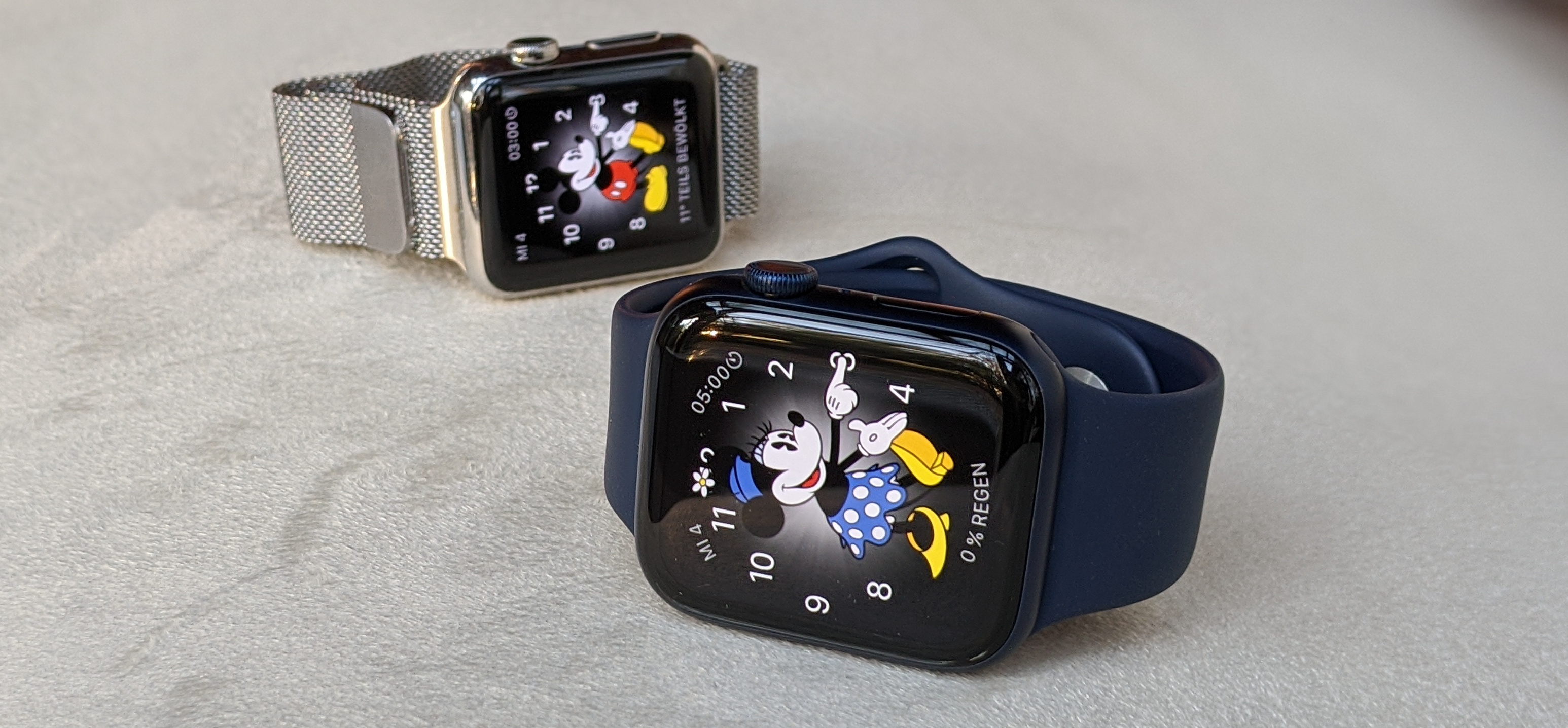
Apple Watch, the tech giant’s pioneering smartwatch, has become an integral part of the Apple ecosystem. However, its lack of compatibility with Android devices has long been a topic of debate. Apple has cited technical limitations as the primary reason for this exclusivity, but recent legal scrutiny suggests there may be more to the story.
In the face of antitrust accusations, Apple has defended its position, elaborating on efforts to bridge the compatibility gap with Android. Despite investing three years into this endeavor, the company claims to have met insurmountable technical challenges. The details of these technical barriers remain undisclosed, leading to speculation about their nature amidst the ongoing legal proceedings.
Interestingly, there have been reports and rumors suggesting that Apple may have considered Android support for the Apple Watch in the past but opted against it to maintain its competitive edge. The Department of Justice lawsuit cites an internal email from 2019 in which an Apple executive acknowledges the role of the Apple Watch in retaining iPhone users and notes that Android compatibility could dilute one of their unique selling points.
Additionally, Apple’s approach seems to have influenced other tech companies’ strategies. Notably, Google and Samsung appear to have pulled back from iOS support for their latest smartwatch offerings, possibly in reaction to Apple’s stance.
As the market for smartwatches continues to expand, consumers have a variety of options to choose from. Depending on their budget and preferences, they can explore high-end models like the Garmin Fenix 7X Pro Sapphire Solar or go for more affordable alternatives such as the Xiaomi Watch S1 Active.
The debate over Apple Watch’s compatibility with Android is indicative of the broader conversation about market dominance and consumer choice. As the matter unfolds in the legal arena, it could lead to significant implications for the smartwatch market and the interoperability of tech products at large.