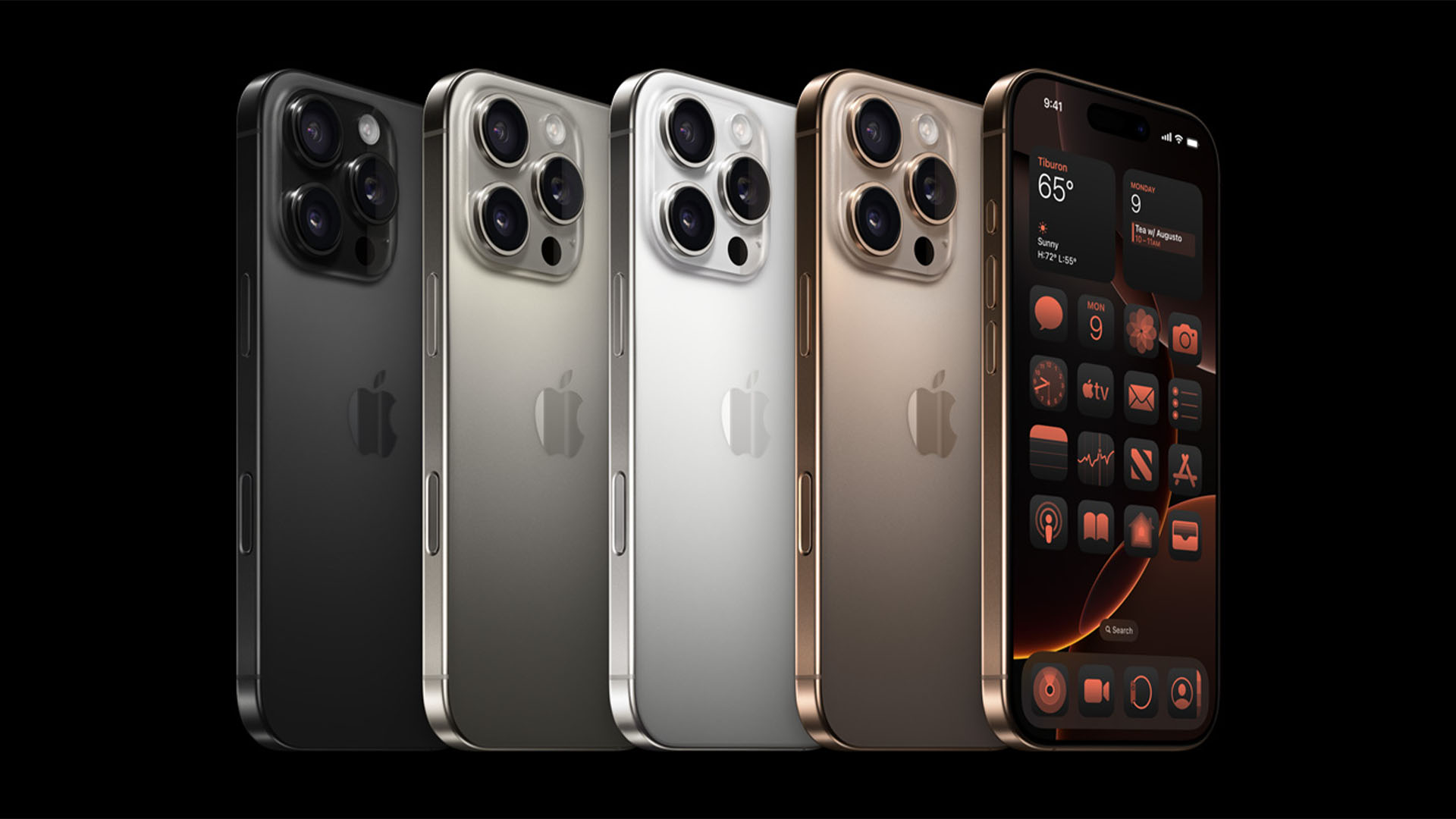
Apple’s fiscal journey for 2024 shows an intriguing trend: the iconic iPhone stands tall, virtually ruling the company’s revenue charts. This prestigious lineup has consistently represented a significant proportion of Apple’s financial pie, firmly cementing its role in elevating the tech behemoth to its trillion-dollar status. Yet, this colossal success isn’t without its shadows. Recent reports suggest that iPhone sales are slipping, and the forecast doesn’t predict another seismic hit product on the horizon. This scenario nudges Apple toward strategic innovation to diversify and bolster its revenue streams.
Remarkably, iPhone sales are anticipated to surpass the $200 billion mark, dwarfing earnings from other hardware ventures. To keep the financial scales balanced, Apple has smartly integrated a suite of services, helping to cushion any shortfall and generate consistent growth. These services have been so lucrative that projections predict they could contribute as much as $100 billion by 2025, making up around a quarter of Apple’s yearly intake.
Mark Gurman from Bloomberg posits an intriguing perspective in his ‘Power On’ newsletter. He argues that the tech landscape may never again see a product to the scale of the iPhone. Not even Apple’s ambitious Vision Pro seems poised to capture the public’s imagination and market share as the iPhone has. This insight suggests that Apple might need to pivot its efforts from chasing another blockbuster to exploring and investing in fresh growth avenues.
As Gurman notes, “It’s time to face facts. There may never be another Apple product on the level of the iPhone. It’s hard to imagine something materializing that could generate half of the company’s revenue.” The iPhone inevitably acts as the linchpin of Apple’s success, even indirectly boosting the appeal of products like the Mac, a popular choice among younger consumers due to its seamless integration with the iPhone.
While the iPhone will continue to be Apple’s financial powerhouse for the foreseeable future, Gurman emphasizes the necessity for diversification. Relying solely on the iPhone won’t suffice as its growth potential plateaus. Instead, Apple must venture into various device categories akin to the iPad, Mac, or Apple Watch to maintain its trajectory.
Looking forward, even if Apple ventures into new domains with innovations like headsets and smart glasses, these are estimated to cap at generating $25 billion. The conclusion? For the immediate future, the iPhone remains at the heart of Apple’s revenue engine, but exploring varied growth territories becomes imperative to sustain and expand its influence.


