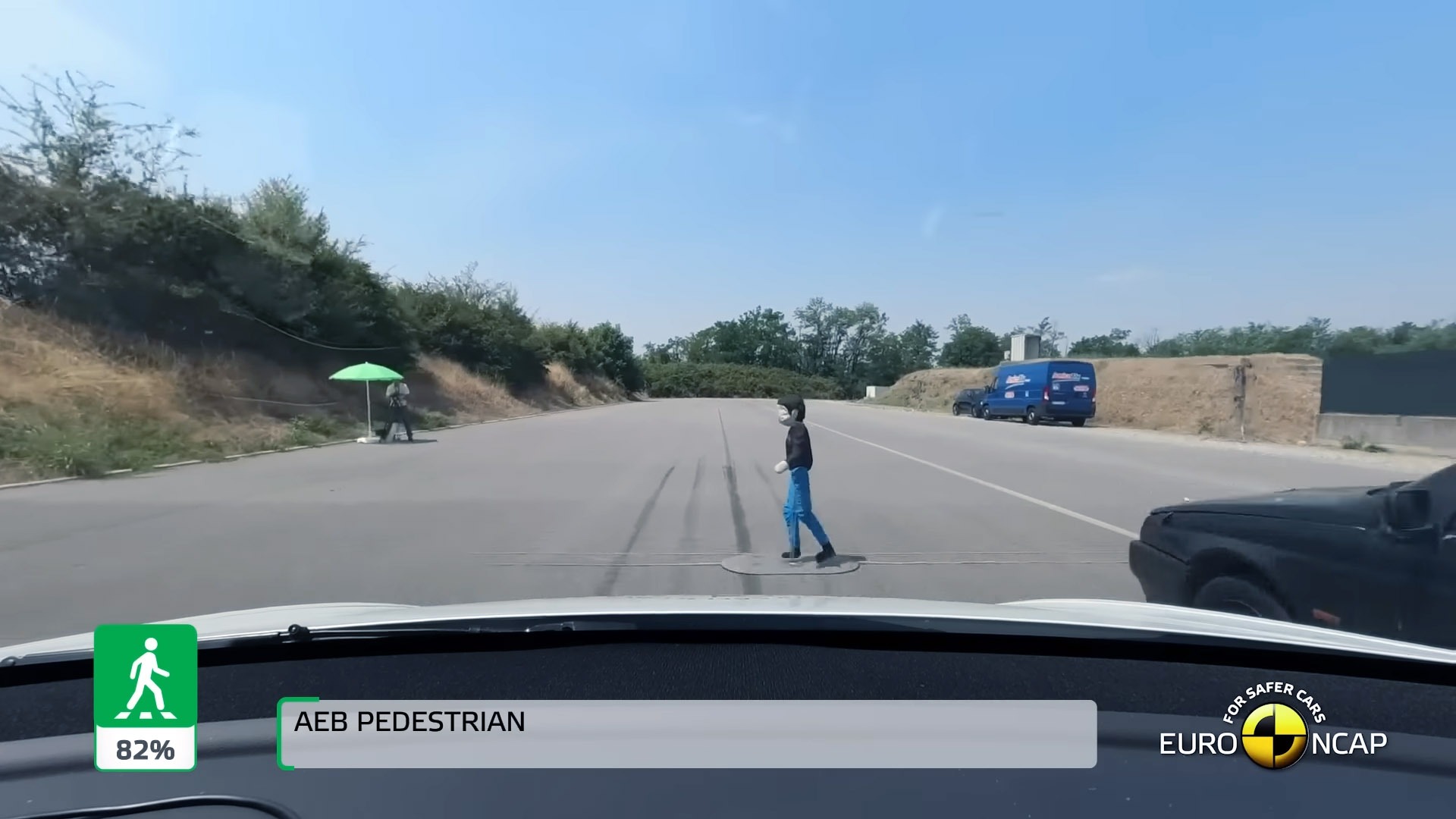
The rise in popularity of electric vehicles (EVs) and hybrids has introduced new safety considerations, especially in urban environments. As roads get quieter with the increasing number of EVs gliding silently along city streets, pedestrian safety is becoming a topic of serious concern.
Recent advancements in vehicle technology, like Tesla’s introduction of functions that allow drivers to use external speakers as a megaphone, illustrate innovative measures being taken by car manufacturers to prevent collisions with pedestrians. These external sounds are designed to compensate for the lack of noise typically produced by traditional internal combustion engine (ICE) vehicles.
Despite these innovations, studies have started to point out an alarming trend. A recent UK cross-sectional study has highlighted a stark reality: electric cars and hybrids are twice as likely to be involved in pedestrian collisions in an urban setting when compared to ICE vehicles. The quiet nature of electric powertrains makes these vehicles more difficult for pedestrians to hear, thereby increasing the risk of accidents in city environments.
Interestingly, the same study found that in rural areas, there was no significant difference in pedestrian injury rates between EVs and ICE vehicles. Yet, when examining urban collision data more closely through Poisson regression analysis, EVs and hybrids were found to be three times more dangerous to pedestrians than their gas-powered counterparts.
However, in terms of occupant protection, many electric vehicles, including Tesla’s Model Y, have proven to be exceptionally safe. Enhanced by systems that aim to prevent collisions and fortified builds that protect passengers, EVs like the Tesla Model Y have demonstrated reliable safety in various crash tests. The vehicle has achieved notable recognition for its passenger safety measures, including a strong, rigid passenger compartment and a low center of gravity that contributes to its ability to protect occupants during crashes.
Despite these advancements in occupant protection and collision prevention systems, more work needs to be done to make these quiet vehicles audible to pedestrians. As cities become more eco-conscious and increase their electric vehicle fleets, urban planners, automotive engineers, and legislators must find new solutions to ensure pedestrian safety. From implementing artificial sound stimulations that mimic traditional engines to improving pedestrian awareness, various measures could potentially reduce the risk of collisions in bustling city streets.
The introduction of sound-generating devices or speed-related pedestrian alert systems are among the solutions that could be adopted to address this issue. These measures would not only alert pedestrians of an approaching EV or hybrid vehicle but also enhance overall traffic safety. As electric transportation continues to evolve, integrating pedestrian safety features is essential to ensure the benefits of clean energy vehicles do not come at the expense of public safety.


