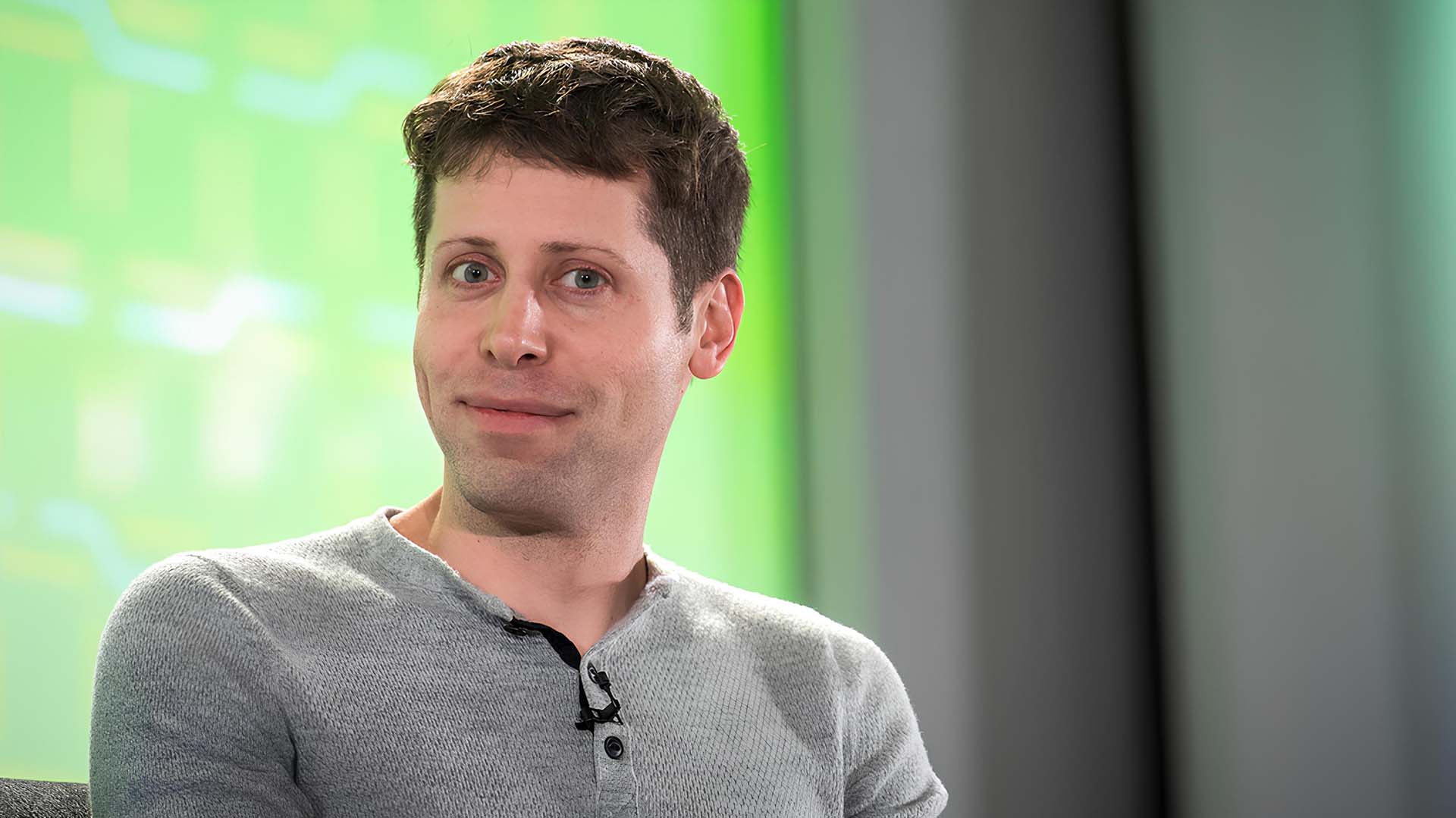
In an intriguing shift of direction, OpenAI’s founder and CEO, Sam Altman, has been contemplating a significant change in the company’s strategy. Sources mention that Altman has been discussing the idea of transitioning OpenAI from its original non-profit status to adopting a for-profit business model.
This change comes with consequential implications: switching to a for-profit status would alter the governance of the organization, moving control away from the current non-profit board. This pivot raises questions about the future alignment of Open Investments’ altruistic beginnings with a more commercially oriented approach.
The update on the status of OpenAI reveals that the organization has been facing challenges sustaining itself financially under its non-profit structure. To remedy this, Altman appears to be considering creating sustainable revenue streams to support the company’s ambitious projects in artificial intelligence. The restructuring of the company’s board to include Altman and three other new inner circle members underscores the organization’s shifting dynamics.
Adding further interest to OpenAI’s board changes is the appointment of a former U.S. Army General with past ties to the National Security Agency. This move has stirred concerns among high-profile figures in the intelligence community, citing apprehensions about potential implications for user privacy and trust.
It has been suggested that one of the paths forward might be for OpenAI to adopt a B-Corp certification. Known for balancing profit with broader societal responsibilities, a B-Corp status would require OpenAI to consider the wider impact of its decisions on society. This certification could potentially align the company’s profit motives with its founding ideal of contributing positively to humanity.
While the decision on the company’s future is awaited with speculation, this shift represents a significant moment in OpenAI’s history. It could set the stage for how artificial intelligence companies balance ethical, societal concerns with the pressures of financial sustainability. As the tech industry watches on, the outcome of this decision could have lasting implications not only for OpenAI but also for the landscape of AI development and ethics.
The news about OpenAI’s potential transition has sparked a broad discussion about the intersections of innovation, ethical practices, and the future of AI. As the public anticipates an official announcement, the developing story underlines the evolving challenges tech companies face in the age of rapid advancement and digital transformation.