As investments pivot towards sustainable energy solutions, the US is marking a significant milestone with the establishment of a revolutionary $1.4 billion sodium-ion battery factory in South Carolina. Natron Energy is poised to convert its in-depth research expertise into a large-scale production reality, spearheading the creation of the country’s first sodium-ion battery powerhouse.
Sodium-ion batteries are emerging as a more cost-effective and safer alternative to the traditional lithium-ion units. They boast an impressive lifespan and an ability to recharge rapidly. While China has been utilizing these batteries for grid-level energy storage and even incorporating them into electric vehicles, the US industry is just beginning to tap into the potential of this technology.
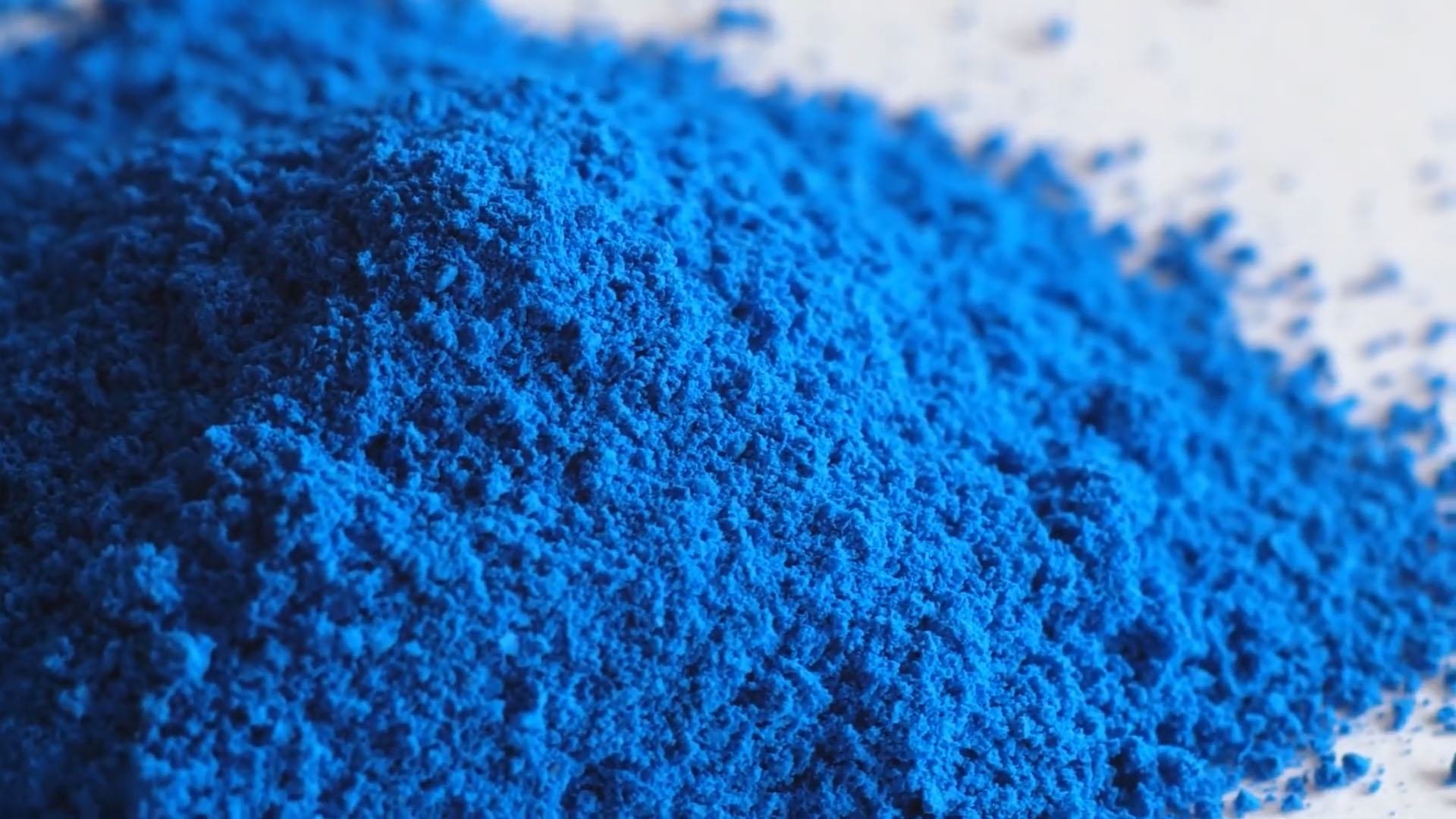
What sets Natron’s batteries apart in this nascent market is its exclusive Prussian blue electrode chemistry. The unique structural design of Prussian blue material offers pores larger than sodium ions, enabling the ions to move systematically without causing structural stress and thus preserving battery integrity over time.
This innovative design could lead to sodium-ion cells with a remarkable endurance of up to 50,000 charge-discharge cycles—five times that of standard lithium-ion batteries. Moreover, the ease of ion movement allows for exceptionally quick charging, with batteries reaching full capacity in under 15 minutes.
Remarkably adaptable, these sodium-ion batteries operate efficiently across a broad temperature range from 32 to 113 degrees Fahrenheit. Their significance is not solely in their performance but also in their contribution to the US economy, utilizing domestically sourced and produced minerals. This not only helps in forging supply chain independence but also makes the facility a contender for state and federal grants.
The production of these sodium-ion batteries is not just a leap in battery technology; it represents a strategic movement towards enhancing domestic production capabilities and reducing reliance on international suppliers. This venture could potentially play a key role in bolstering the energy infrastructure needed to support a growing renewable energy sector and the expanding electric vehicle market.
As the global focus intensifies on clean and reliable energy storage, the establishment of the sodium-ion battery factory in the US reflects a growing trend towards sustainability, innovation, and strategic independence in energy resources. This progress in battery technology demonstrates an ever-evolving energy landscape and positions the US as a leader in the transition to a more resilient and self-sufficient energy future.