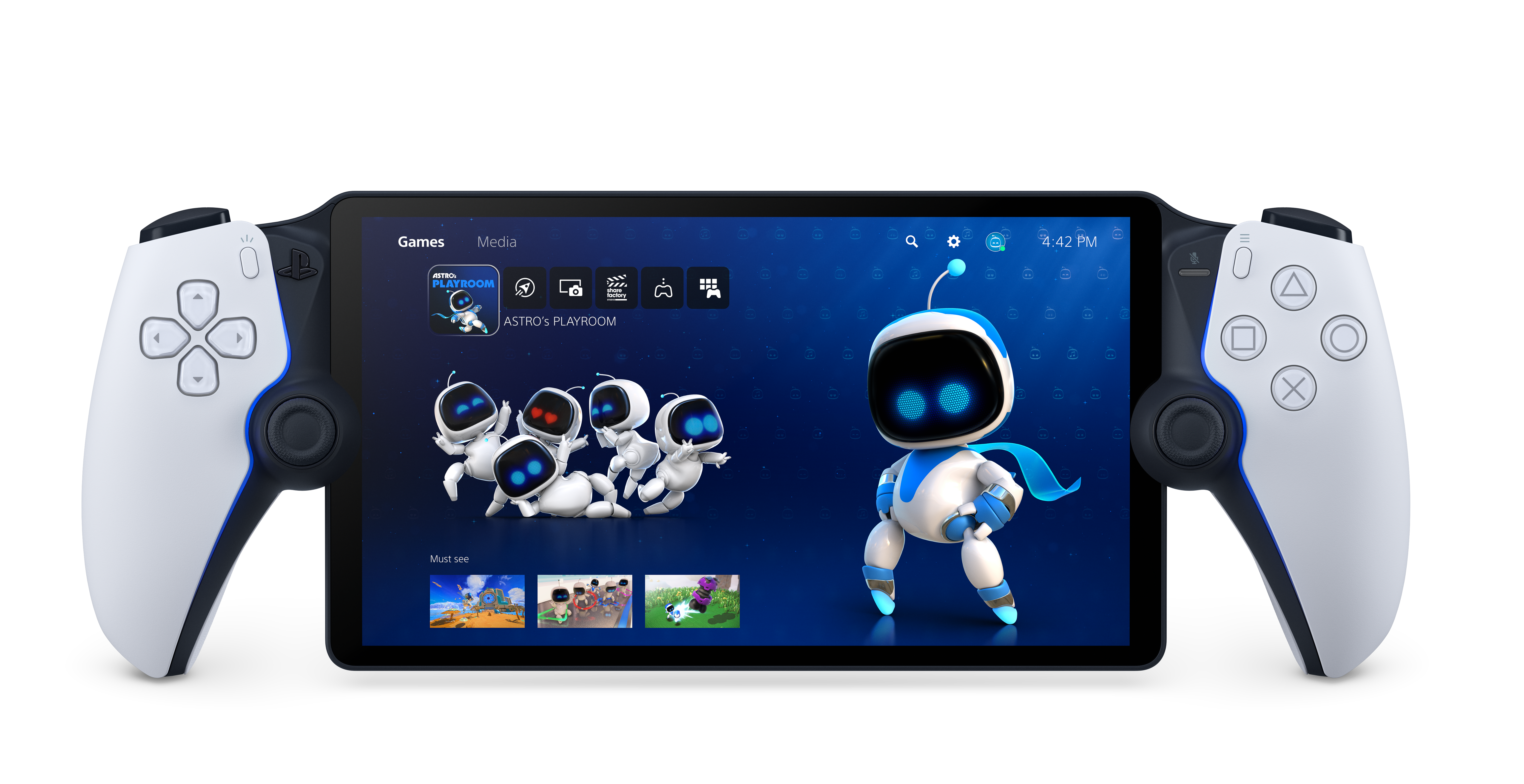
The PlayStation Portal, developed by Sony Interactive Entertainment, has quickly become a sought-after device in the gaming world, with demand persistently exceeding expectations. This $200 handheld gaming device resembles a PS5 controller split in half and mounted on either side of an 8-inch screen. The PlayStation Portal is a streaming peripheral for the PlayStation 5, allowing games to be played via a WiFi connection from the PS5 to the handheld unit. It’s designed for PS5 owners looking to enhance their gaming experience with a high-quality portable option.
The product, which launched in November following its announcement in May, has seen continuous sell-outs. The Portal’s key feature allows gamers to enjoy their PS5 games without being tied down to a television, connecting to the console to stream games directly to the handheld device.
The concept of the PlayStation Portal can be traced back to Sony’s introduction of Remote Play for the PlayStation 3 in 2006. The company expanded the feature to devices like the PlayStation Portable, PCs, and especially iOS devices. Despite not releasing usage numbers for Remote Play, PlayStation’s Hiromi Wakai suggests that the service’s popularity has grown alongside console sales, with iPhones and iPads being the most commonly used devices for this feature.
The Portal originated from Sony’s ambition to provide high-quality console gaming experiences on the go. The aim was to combine this objective with the versatility of the Thin Client technical solution to preserve the full capabilities of a DualSense wireless controller, along with delivering clear visuals on the portable screen. The project was envisioned by Hideaki Nishino, leader of Sony’s PlayStation Experience Group, and spearheaded by Wakai and a skilled team, including Edwin Foo, VP of product development and an Apple alumnus.
Devising the Portal to be simple, with a feature set mirroring the PS5’s controls and display proportions, was a conscious choice to avoid imposing additional work on game creators. The Portal’s distinction from dedicated handheld gaming devices such as phones and tablets was partly due to the decision to use an eight-inch screen.
The PlayStation team was aware that the Portal would appear as a niche product to many consumers. Nevertheless, they expected that early adopters would help demonstrate the value and potential applications to those unsure of the device. Feedback from users with strong internet connections at home has been overwhelmingly positive. Others have noted that less stable connections can lead to lag in gameplay, suggesting that a minimum internet speed of 5 Mbps is advisable for optimal performance.
Popular games on the Portal include mainstream PlayStation titles like EA Sports FC, Call of Duty, Fortnite, and Marvel’s Spider-Man 2. While it currently serves solely as an extension of the PS5, there has been curiosity surrounding the potential for the Portal to stream games directly from Sony’s cloud servers in the future, although no formal plans have been shared.
As Sony looks to address the supply and demand imbalances, ensuring consistent production remains a top priority. Gamers are advised to stay tuned for further updates on the availability of the PlayStation Portal.
As the gaming landscape continues to evolve, with companies facing industry challenges and the World Trade Organization considering the imposition of digital taxes, Sony appears committed to its vision of extending console gaming experiences through innovations like the PlayStation Portal.


