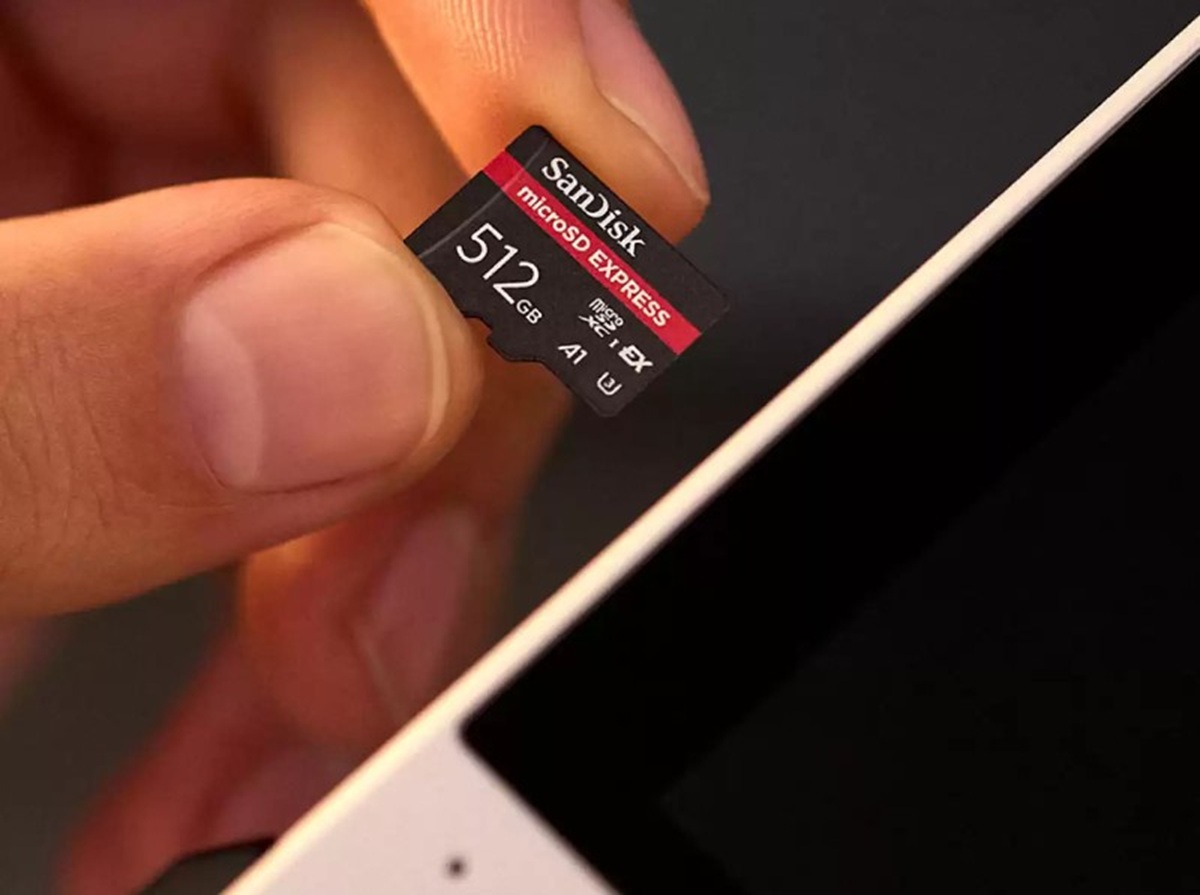
Amid the ongoing investigation into the OceanGate Titan submersible disaster, a surprising survivor has emerged from the Atlantic seabed: a low-cost, consumer-grade SD card. Recovered from a SubC Rayfin Mk2 Benthic Camera located near the original debris field, the $62 SanDisk Extreme Pro 512 GB card was found intact despite the extreme pressures and damage to the camera’s lens and circuit boards.
Investigators say the camera’s storage compartment remained watertight, allowing specialists at a Newfoundland lab to safely retrieve the card. The Transportation Safety Board of Canada then created a bit-for-bit clone to preserve its contents. Although photos of the card were debranded, the model and specifications have been identified with high confidence.
What was on the card turned out to be routine rather than revelatory. Investigators accessed 12 images and 9 video clips recorded at 12.3 megapixels and in 4K UHD. The footage shows scenes from the Marine Institute’s ROV workshop in Newfoundland, reflecting pre-dive checks and collaboration work that took place before missions. There is no imagery from the submersible’s final moments; during dives, the system was configured to send mission data to an external drive rather than store it on the camera’s internal SD card.
The find is a remarkable showcase of durability. That a consumer SD card survived an incident that obliterated a deep-sea vessel underscores the resilience of solid-state storage when protected from water ingress. While the loss of life remains a profound tragedy, this discovery offers a rare technical insight: even affordable, everyday memory can endure some of the harshest conditions on Earth when housed correctly.
For those following the Titan submersible investigation, the recovered SanDisk Extreme Pro SD card adds a new layer to the story—highlighting deep-sea recovery efforts, the importance of data preservation, and the unexpected toughness of consumer electronics under extreme pressure.