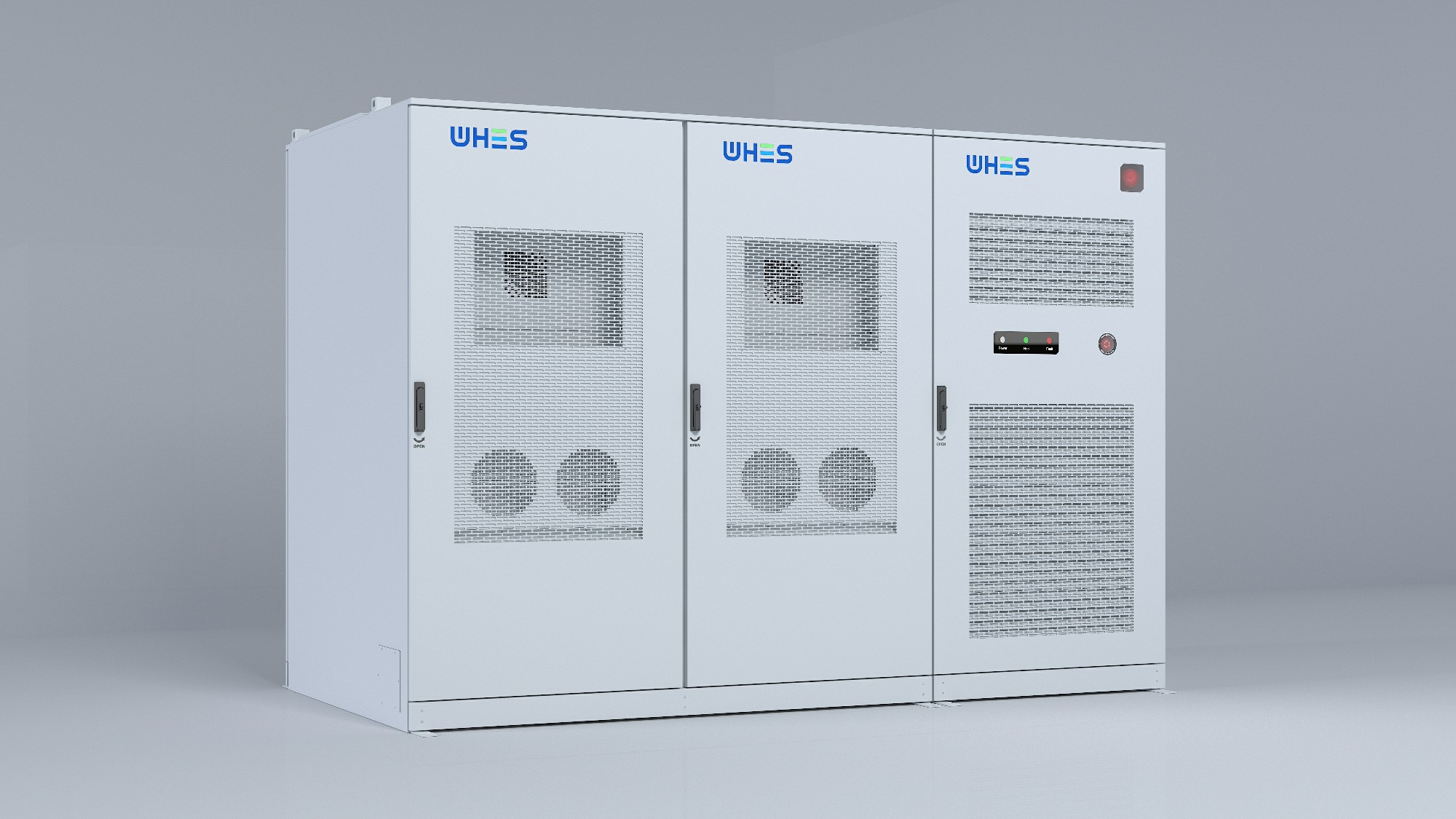
Big returns always grab attention, and Tesvolt is leaning into that with its latest commercial and industrial battery storage system, the PowerCore G2. The company says businesses can see returns of roughly 20 to 25 percent, with a payback period as short as four years. That kind of fast payoff might sound surprising, especially since homeowners often pay higher electricity rates, but large-scale energy storage works very differently from a typical residential setup.
The key reason commercial battery storage can pay back faster is economies of scale. Industrial energy storage systems are built much bigger than home batteries, and when capacity grows, the cost per kilowatt-hour of storage typically drops. On top of that, many of the “fixed” project costs—things like grid connection work, planning, permitting, structural work, and installation logistics—don’t scale up at the same rate as the battery size. Spread those costs over a much larger system, and the economics improve dramatically.
Another major advantage for businesses is peak shaving, which can turn a battery from a “nice-to-have” into a serious money-saving tool. Many industrial electricity tariffs include not just energy charges (€/kWh), but also demand charges (€/kW). Demand charges are based on the highest spikes in power usage. A properly configured battery can step in during those high-demand moments, reducing peak power draw from the grid—and that can significantly cut monthly bills.
The PowerCore G2 is clearly designed with factories, warehouses, and other large sites in mind, not residential backyards. The system measures about 6.6 x 4.9 x 6.6 feet (width x depth x height), and it’s expected to cost at least 100,000 euros, though the exact price hasn’t been publicly shared. Still, it’s built for real-world deployment flexibility, including outdoor operation, thanks to a temperature tolerance ranging from -4 °F to 131 °F.
Under the hood, the unit is manufactured by WHES and uses CATL 306 Ah lithium iron phosphate (LFP) battery packs. Even in its smallest configuration, it delivers substantial performance: around 500 kWh of storage capacity paired with approximately 250 kW charge and discharge capability. It’s also a high-voltage system, with a nominal battery voltage of 832 V—an approach commonly used in commercial environments to support efficient power conversion and high output.
Safety and thermal management are prominent parts of the design. The PowerCore G2 includes smoke and temperature detectors and combines multiple fire protection measures, including an aerosol extinguishing system and sprinklers. Cooling is split by component: the inverter is air-cooled, while the battery itself uses liquid cooling—an important feature for maintaining stable performance and longevity under heavy cycling and high load conditions.
For anyone comparing options, it’s worth noting that residential alternatives exist, including newer high-voltage home storage systems as well as more budget-oriented solutions from established battery brands. But the big takeaway here is simple: the PowerCore G2 is built for commercial-scale energy savings, where large capacity, demand-charge reduction, and optimized installation economics can make a four-year payback achievable.