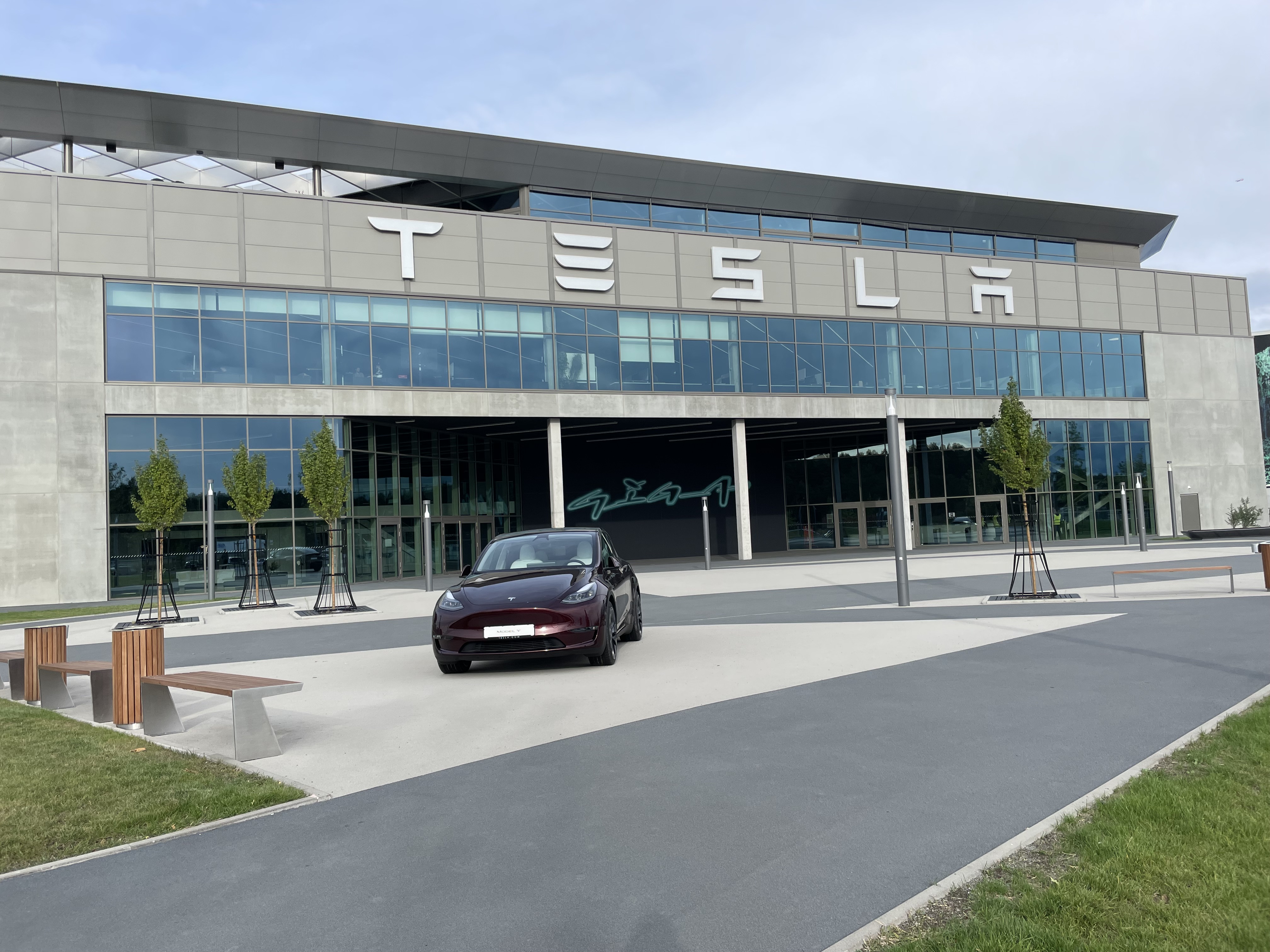
Tesla experienced a minor dip in its vehicle sales last year, with 1.79 million cars sold compared to the previous year’s 1.8 million. Production also slightly decreased, reaching 1.77 million vehicles. Despite the high anticipation for the Cybertruck, its sales figures fell short. The Cybertruck, along with the Model S and Model X, together represented less than 5% of total sales, while Models 3 and Y continued to dominate, being Tesla’s main sales drivers.
The challenges Tesla is facing are reflective of the broader difficulties in the electric car market, which is grappling with various obstacles. Global economic pressures, such as inflation, rising interest rates, and ongoing supply chain disruptions, are dissuading consumers. Changes in subsidy policies in certain countries are also negatively impacting electric car sales.
Contrarily, Chinese firm BYD is soaring to new heights. The automaker saw a stellar increase, selling 4.27 million vehicles in 2024, significantly up from 3 million the previous year. This surge is largely due to the Chinese market’s growing appetite for plug-in hybrids, with BYD benefiting heavily from government incentives, managing to move 2,485,378 such vehicles in 2024 alone.
On the other hand, Volkswagen (VW), the German automotive heavyweight, is encountering its own set of hurdles. VW’s sales figures dropped to 9 million in 2024, approximately 200,000 fewer than in 2023. Apart from the general industry challenges, VW faces high production costs in Germany and relies heavily on the precarious Chinese market, where fierce competition from local companies like BYD led to noticeable sales declines.
Adding to VW’s woes, a significant data breach uncovered a security flaw at its subsidiary, Cariad, which left sensitive location data for about 800,000 vehicles potentially exposed for months. This vulnerability impacts several VW brands, including Audi, Seat, and Skoda.
Simultaneously, the entry of smartphone giant Xiaomi into the electric vehicle sector presents another challenge for traditional automakers. In 2024, Xiaomi made waves by selling approximately 130,000 of its SU7 vehicles in its debut year, with ambitions to double sales in 2025. This move signals the increasing competitiveness and shifting dynamics within the electric car industry, as new tech players progressively make their mark.