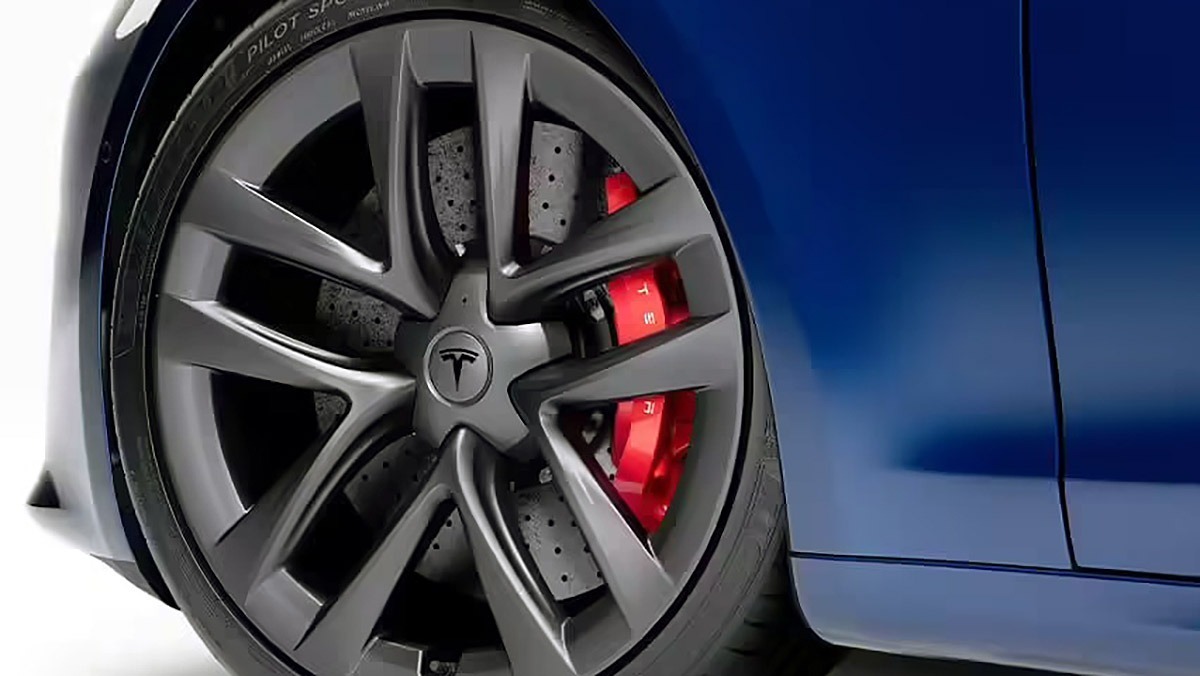
Tesla is taking a significant step to empower its vehicle owners by expanding its self-repair program. This initiative allows customers to purchase certain car parts directly from Tesla, enhancing convenience and autonomy when it comes to vehicle maintenance. While owners won’t be buying a costly Model Y battery directly anytime soon, they will have access to parts like brake rotors and calipers.
Previously, Tesla’s offerings were limited to items like wiper blades and air filters. However, with its expanding direct-to-consumer catalog, Tesla aims to include more parts in the future. This change comes in the wake of California’s right-to-repair legislation, which encourages manufacturers to make repairs more consumer-friendly. Alongside this effort, Tesla has released a detailed interactive wiring diagram for the Cybertruck, further empowering owners with detailed knowledge on repairs.
For example, Model Y owners can now purchase brake rotors, identified by the part number 1188611-00-A, for $160 directly from Tesla, with an expected delivery within a week. However, at this time, parts can only be shipped to addresses within the United States. This limitation underscores the likely influence of right-to-repair advocacy at both the state and federal levels, aligning Tesla with other tech giants compelled to provide repair resources to consumers.
Previously, vehicle owners wanting to perform minor repairs, like a brake job, had to place orders through a Tesla Service Center and personally collect the parts. Now, with this new approach, Tesla makes such parts more accessible, simplifying the repair process for savvy owners.
The Cybertruck, currently not included in Tesla’s direct-to-consumer repair catalog, remains an exception, likely due to its early production phase. Once the Cybertruck becomes more widespread and the need for repairs increases, Tesla is expected to add its components to the catalog.
This move not only aligns Tesla with current legislation but also positions it as a company encouraging customer independence and technical engagement, promising a more integrated and user-driven ownership experience.