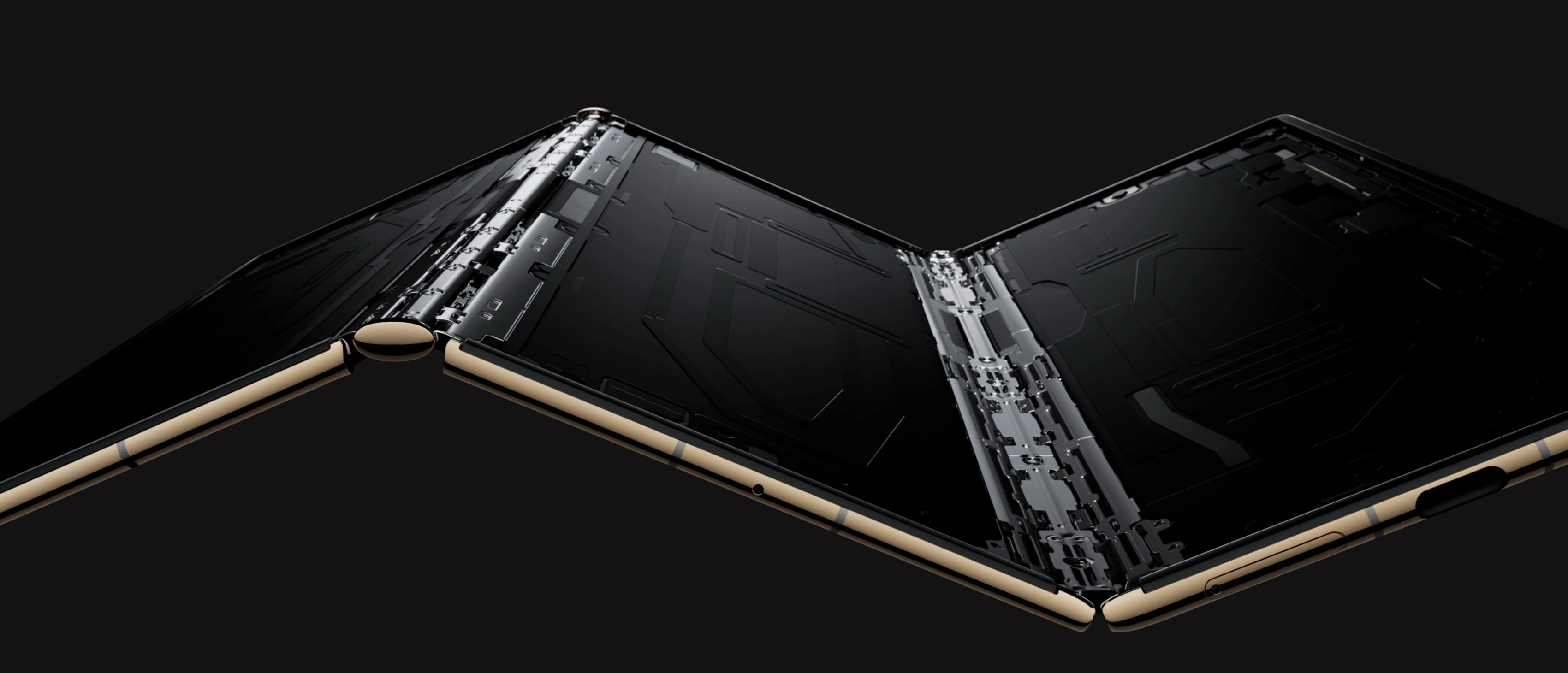
As 2024 comes to a close, Huawei has left a significant mark on the foldable smartphone scene in China with three distinctive models: the Nova Flip in a sleek clamshell design, the flagship Mate X6, and the opulent Mate XT Ultimate Design. The XT, boasting an advanced tri-fold build, stands as the first of its kind and carries a hefty price tag to match its groundbreaking status. It appears this exclusivity may remain unchallenged for some time, as no other companies, including Huawei, seem poised to introduce a second tri-fold smartphone soon. Instead, they are shifting focus to more classic clamshell and flagship designs in a bid to solidify their existing foldable customer base—a move reflected in insights from renowned industry commentator Digital Chat Station.
While such an industry stance may initially seem disappointing, it could lead to consumer benefits in 2025. Major players known for their robust market presence—like Google, Samsung, Honor, OnePlus/Oppo, and Vivo—are expected to return to the fundamentals. This approach likely involves rolling out a singular flagship foldable each year, equipped with all the latest processing, display, and battery technologies, without unnecessary variants. Such simplicity could ensure premium quality, as opposed to compromised models like the Vivo X Fold3, which didn’t quite reach the heights of its Pro counterpart.
Contradicting these cautious forecasts, Samsung is already creating buzz at CES 2025 with its Flex S prototype, showcasing what it claims to be the future of mobile displays. Samsung has previously offered two versions of its bi-foldable flagship, the Galaxy Z Fold6, with one retailing for $1,259.99. However, there is no confirmed indication of whether this dual-model strategy will continue into 2025.
As technology firms tread cautiously, balancing innovation with perfected basics, the foldable smartphone landscape in the coming year promises to be one of refinement rather than radical change. The emphasis appears to be on offering quality and state-of-the-art features over sheer quantity, paving the way for a user-centric experience that may redefine what we expect from foldable devices.