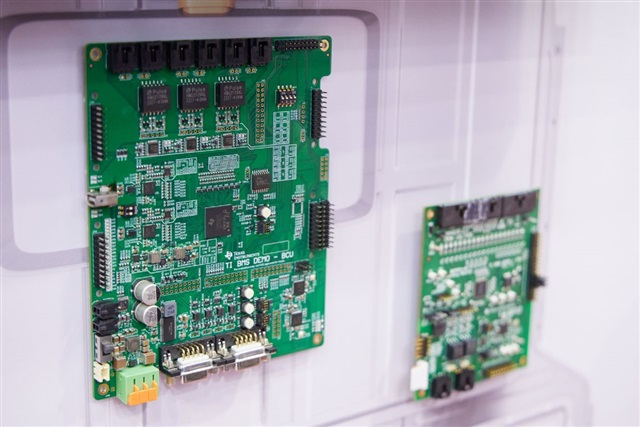
Texas Instruments (TI) and Analog Devices (ADI) are reportedly gearing up for selective price increases across parts of their product portfolios in early 2026, a move attributed to climbing costs throughout the semiconductor supply chain. While the adjustments aren’t expected to be a blanket hike on everything they sell, the possibility of targeted increases is enough to ripple through the analog chip market—especially in Taiwan, where many analog IC design companies keep a close eye on pricing moves from the industry’s biggest suppliers.
Rising supply chain expenses have become a renewed pressure point for chipmakers and their customers. Costs linked to manufacturing, materials, logistics, and other upstream services can all add weight to component pricing, and analog components—used widely in power management, signal processing, sensors, industrial systems, automotive electronics, and consumer devices—often sit at the center of product cost planning. Even modest increases can add up quickly when companies are sourcing high volumes for long production runs.
That’s why news of potential TI and ADI price adjustments is putting Taiwan’s analog IC design houses on alert. These companies frequently compete in markets where margins are carefully managed and customers are sensitive to component pricing. If major suppliers raise prices on certain categories, it can influence everything from procurement strategies and contract negotiations to product positioning and quoting for new designs.
For buyers and manufacturers that rely on analog ICs, the situation also highlights a familiar challenge: planning ahead for cost changes before they hit invoices. Companies may respond by reassessing bill-of-materials assumptions, considering second-source options where feasible, or timing purchases and inventory strategies to reduce exposure. However, in analog semiconductors, qualification cycles and performance requirements can limit how quickly a design can switch suppliers—making any price movement by large vendors particularly important.
As early 2026 approaches, the key factor to watch will be how “selective” these increases turn out to be—whether they affect specific product families, specialty components, or certain segments where demand and supply dynamics allow more pricing power. Either way, the development underscores a broader reality in the semiconductor industry: supply chain costs and pricing decisions at the top tier can quickly cascade through global electronics manufacturing, influencing everything from component sourcing to end-product pricing.