The recent shift in tariff policies by US President Donald Trump has introduced a new dynamic in international trade discussions. In a surprising move, the deadline for implementing these tariffs has been extended by 90 days, giving businesses a temporary sigh of relief. Moreover, the tariffs have been reduced to 10% for most countries, which could ease some tensions and foster better trade relations.
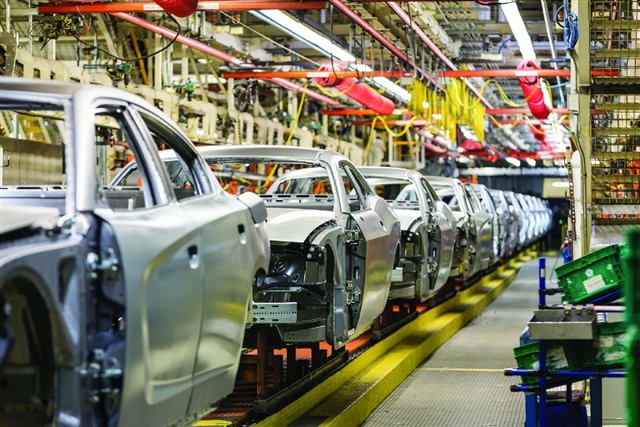
However, not all sectors are experiencing this reprieve. The auto industry continues to face significant challenges as the 25% tariffs on both automobiles and their parts remain firmly in place. This decision has sparked widespread concern, particularly given the global interconnectedness of automotive supply chains.
With such a high tariff rate still in play for the auto sector, it raises questions about the long-term impacts on production costs and pricing strategies for car manufacturers and parts suppliers. This situation is particularly pressing for countries heavily involved in this industry, as they need to navigate these challenging waters while maintaining their competitive edge.
The delay and adjustments in the tariff strategy indicate the administration’s willingness to negotiate while still holding on to leverage in specific industries. As the situation develops, businesses and governments alike will be keenly watching the outcomes of these tariffs, balancing current market realities with future trade prospects.
In essence, Trump’s tariff policies have indeed set off a chain reaction, leaving an indelible mark on the international trade landscape, with the auto industry caught in the crossfire. The coming months will be pivotal in determining how these changes will ultimately shape global trade dynamics.


