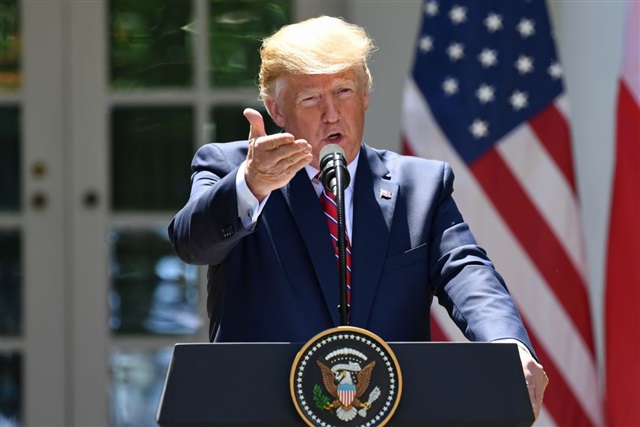
The recent announcement by US President Donald Trump about the imposition of new tariffs has sent shockwaves through the manufacturing community, particularly affecting those manufacturers who have strategically invested in establishing factories in Mexico. This move poses a significant challenge, especially for Taiwanese manufacturers whose customer base is predominantly located in the United States.
This tariff strategy has raised concerns among these manufacturers, disrupting plans and threatening the financial viability of their operations. The decision has intensified the complexities of international trade, forcing companies to reconsider their current logistical and investment strategies.
Manufacturers are now under pressure to find alternative solutions to mitigate the impact of these tariffs. This may involve reevaluating supply chain arrangements, exploring new markets, or even relocating operations to countries with more favorable trade agreements.
The imposition of tariffs underscores the intertwined nature of global economics, where political decisions can ripple across borders, affecting industries worldwide. As companies brace for the changes ahead, the focus will likely shift to resilience and innovation in navigating these unpredictable trade waters. Adapting to this evolving landscape will be crucial for manufacturers aiming to maintain their competitive edge in the global market.