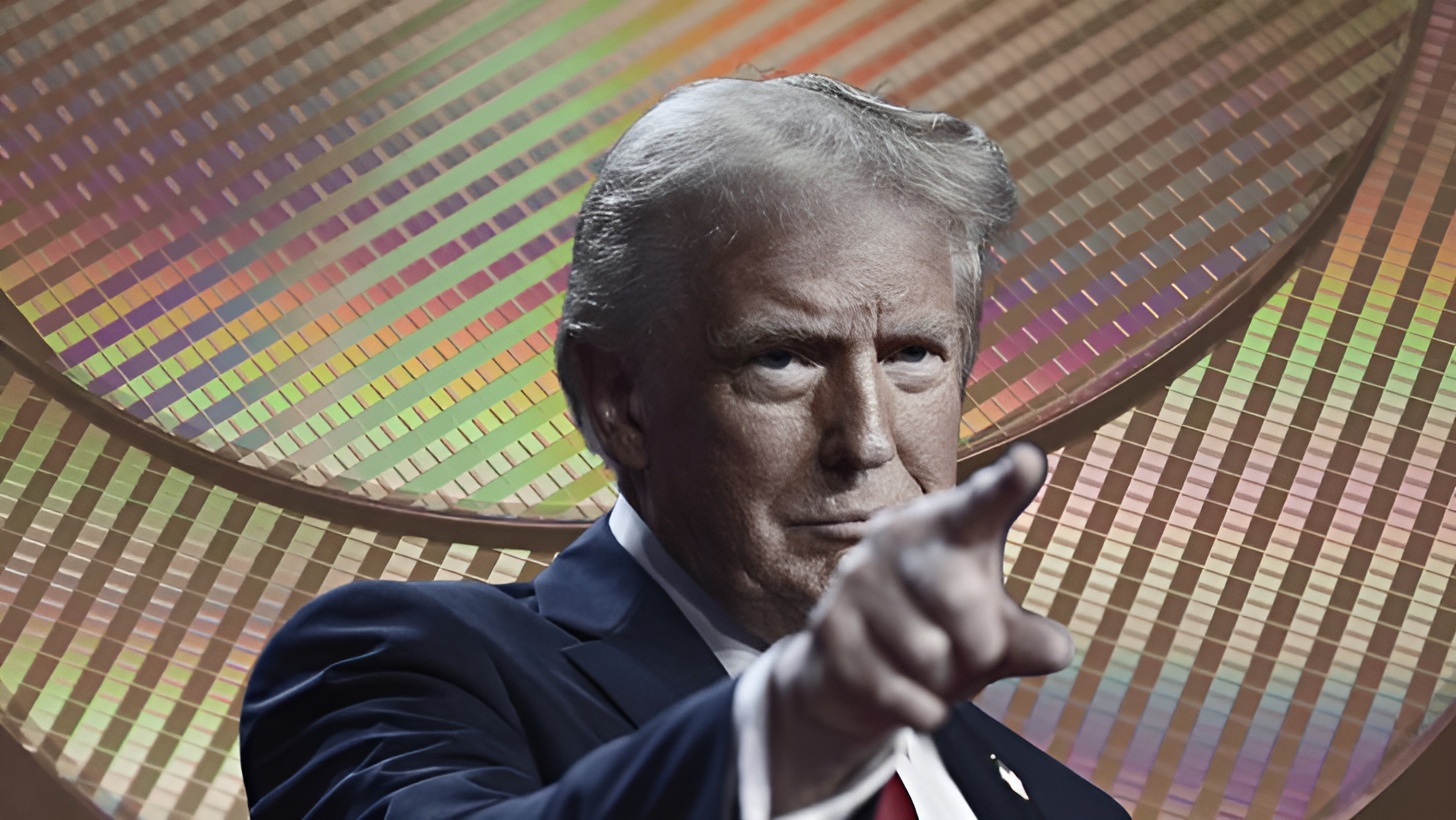
The looming threat of chip tariffs is casting a shadow over the Taiwanese markets, signaling potential rates higher than those for closer US trade partners.
Taiwan’s chip industry, a global leader in semiconductor production, plays a crucial role in its economy by supplying many exports to America. However, the Trump administration’s consideration of imposing chip tariffs under Section 232 has created significant uncertainty for Taiwanese suppliers like TSMC and MediaTek. Estimates suggest these tariffs could soar to 20%, potentially shaking the tech industry.
New trade deals see tariff rates as low as 15%, secured by countries like Japan and the EU, backed by massive investments and 0% tariff access to US markets. For Taiwan, heavily reliant on American exports, meeting such conditions poses a challenge. Reports from Taiwan Economic Daily indicate the government is bracing for potential tariffs between 20%-25%, which could have serious implications.
The chip supply chain typically thrives on stable conditions involving long-term deals and future planning. Introducing tariffs would force companies like TSMC to rethink contracts, spreading uncertainty and likely increasing consumer costs. Despite these challenges, the industry is reportedly preparing for additional expenses, and a 20% tariff might not hit as hard as expected.
While US policy on chip tariffs remains unclear, it’s suggested that only mature nodes might be targeted, giving the US a competitive edge against China. TSMC’s recent investments in the US highlight Taiwan’s willingness to expand its production capabilities stateside, potentially providing leverage in upcoming trade discussions.