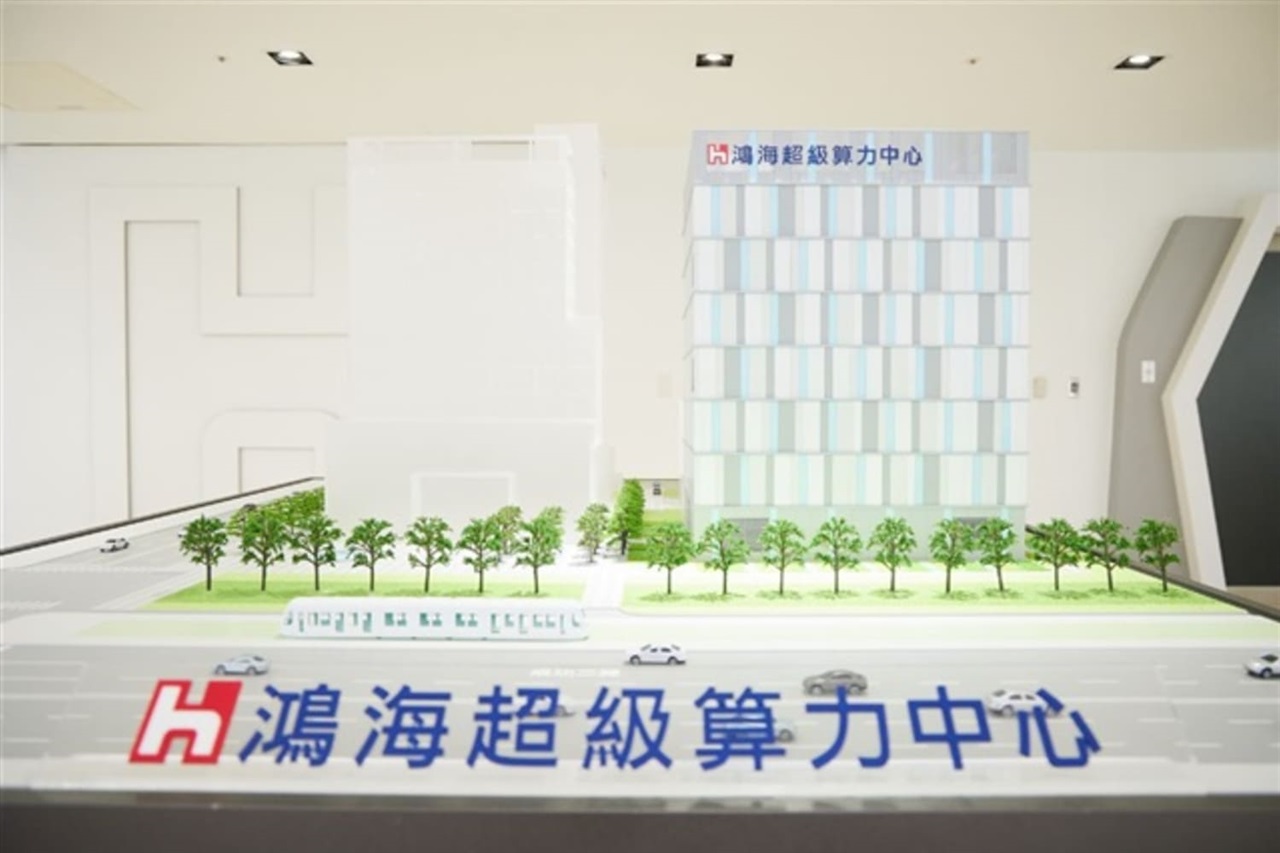
Taiwan is turning to private investment to accelerate the development of its AI computing infrastructure, as demand for artificial intelligence capacity continues to rise across industries.
With government budgets under pressure, building large-scale AI data centers and computing facilities entirely through public funding is difficult. Another challenge is profitability. Infrastructure owned and operated directly by the government is not always designed to generate commercial returns, making it harder to sustain major projects over the long term.
To address these issues, Taiwan’s Ministry of Digital Affairs introduced a new public-private partnership model in April 2026 focused on AI computing centers. The project uses a BOO structure, meaning private companies will build, operate, and own the facilities.
This approach is designed to reduce the financial burden on the government while encouraging businesses to take a larger role in expanding Taiwan’s AI capabilities. By allowing private firms to manage the infrastructure, the government hopes to create a more flexible and commercially viable foundation for future AI development.
Tax incentives are expected to play a key role in attracting investors. These benefits are intended to make large AI infrastructure projects more appealing to companies that may otherwise hesitate due to high construction costs, energy demands, and long payback periods.
Taiwan’s push for AI computing centers comes as countries around the world compete to secure advanced computing power. Strong AI infrastructure is becoming essential for cloud services, semiconductor research, smart manufacturing, data processing, and emerging digital applications.
By easing investment conditions and inviting private participation, Taiwan aims to speed up AI infrastructure deployment while supporting innovation across its technology sector. The BOO model could help the country build the computing capacity needed to stay competitive in the global artificial intelligence race.