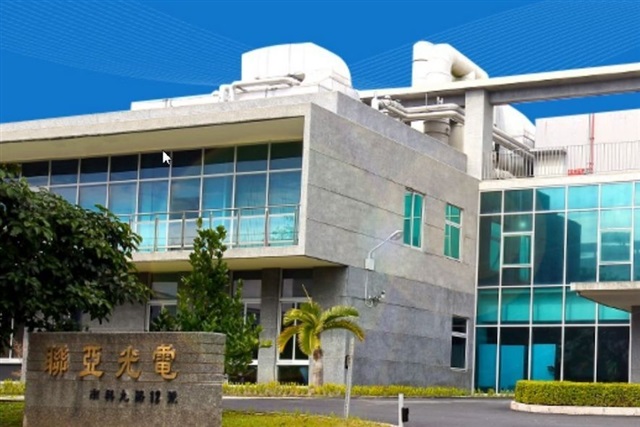
LandMark is signaling an upbeat outlook for its silicon photonics business, projecting steady shipment growth over the next few quarters. The company expects fourth quarter 2025 revenue to match or slightly surpass its second quarter 2022 levels, a guide that points to continued quarter-on-quarter momentum as orders build and programs ramp.
Silicon photonics is gaining traction as data centers and AI infrastructure hit the limits of traditional electrical interconnects. By moving light-based signaling onto silicon, SiPh enables higher bandwidth at lower power, a crucial advantage as the industry transitions from 400G to 800G and eyes 1.6T-class optical modules. These tailwinds, paired with longer-horizon customer commitments, appear to be underpinning LandMark’s confidence in sustained growth.
What this outlook signals
– Multi-quarter visibility: Rising long-term orders suggest improved demand certainty and a clearer production runway.
– Sequential growth: Guidance that Q4 2025 will meet or edge past Q2 2022 indicates a steady QoQ revenue trajectory in the near term.
– Product mix evolution: As the market shifts toward higher-speed optical transceivers and advanced packaging, SiPh content per system tends to increase.
Why demand is building now
– AI and cloud scaling: Hyperscale buildouts require faster, more power-efficient interconnects between accelerators and servers, where SiPh excels.
– Power and thermal constraints: Optical I/O reduces energy per bit, helping operators manage rising electricity costs and cooling challenges.
– Co-packaged optics and PICs: Exploration of next-generation architectures places silicon photonics at the center of future data center roadmaps.
What to watch from here
– Ramp cadence: How quickly new programs move from engineering validation to volume shipment will shape the shipment curve.
– Mix and margins: Shifts toward 800G and early 1.6T designs, along with yield improvements, can influence average selling prices and profitability.
– Capacity readiness: Investments in tooling, testing, and packaging will determine how effectively LandMark captures accelerating demand.
– Backlog and visibility: Updates on order coverage and lead times will offer clues about the durability of the growth cycle.
The bottom line
LandMark’s guidance frames a constructive narrative for silicon photonics: growing shipments, stronger long-term orders, and a revenue path that trends higher into late 2025. With AI, cloud networking, and next-gen optical interconnects all leaning on SiPh to break bandwidth and power bottlenecks, the company appears well positioned to benefit from a structural shift in data center architecture.