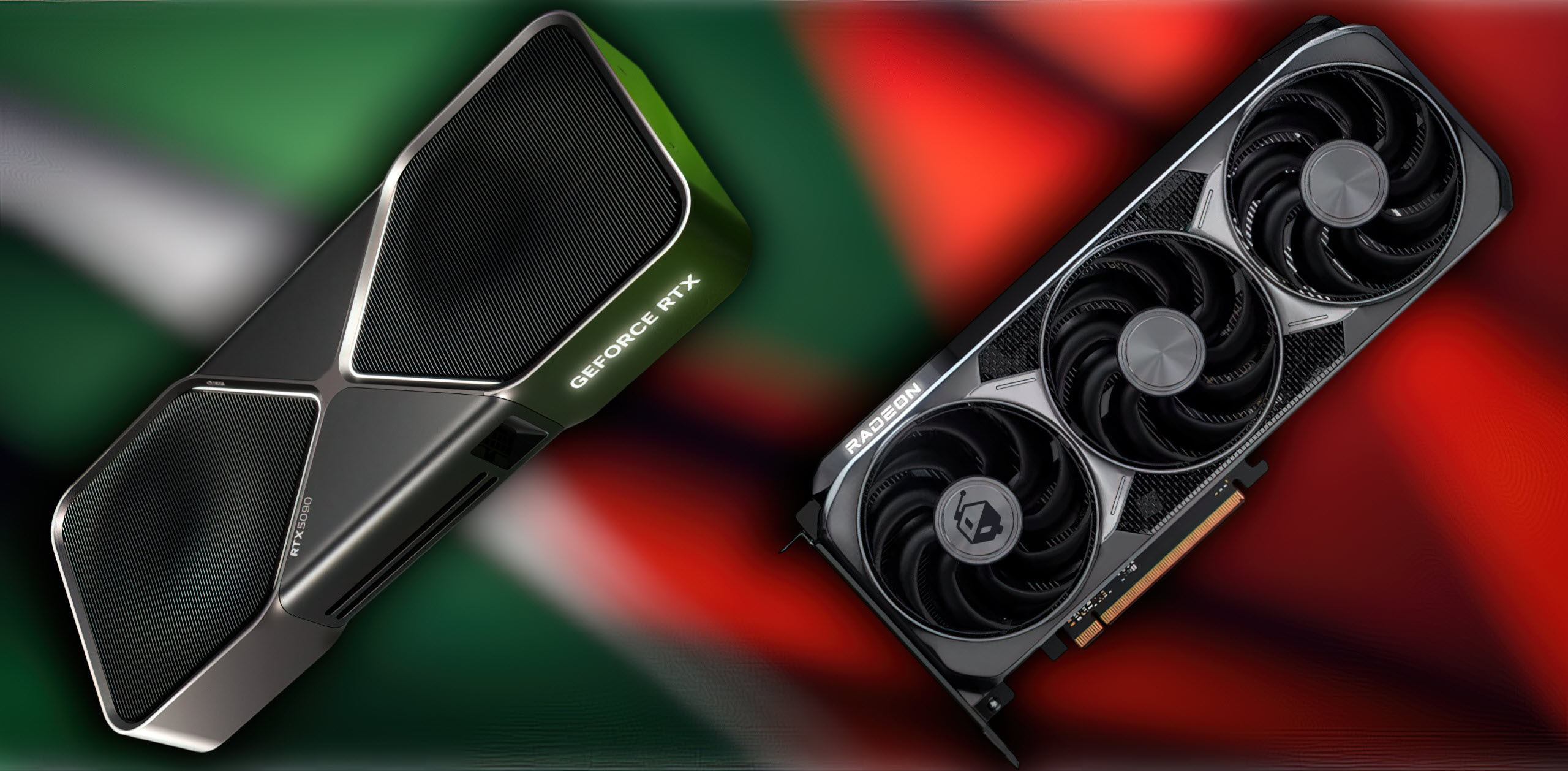
GPU prices could be headed upward in late 2025 or early 2026 as memory costs surge, according to chatter from supply chain forums. The same DRAM crunch that has already pushed consumer DDR5 kits to more than double their previous prices is now rippling into graphics-focused memory, which could raise the bill of materials for upcoming and existing graphics cards.
Here’s the core issue. Modern GPUs rely on high-speed graphics DRAM. Most current cards from AMD and Intel use GDDR6, while NVIDIA’s latest RTX 50 series has moved to GDDR7 on select models. With purchasing costs for these memory chips rising, board partners and chipmakers are bracing for higher production expenses. Industry sources indicate that both NVIDIA and AMD have acknowledged procurement costs for GDDR memory are climbing, though they haven’t issued immediate retail price changes.
Timing remains the big question. Multiple partners suggest a price adjustment could arrive by the first quarter of 2026, with the possibility of an earlier move in December or January if cost pressures intensify. That would mark a reversal from recent months, when many GPUs slipped below their original MSRPs thanks to aggressive promotions and improved availability. If the shortage persists, those deals may not last.
Behind the scenes, memory makers have reportedly raised prices on key DRAM components by at least 90% since their last major pricing round—nearly a doubling. That kind of jump is difficult for GPU manufacturers and board partners to absorb indefinitely. While official announcements are scarce, the consensus is that rising memory costs will eventually flow through to the retail price of graphics cards.
There may also be strategic shifts in product planning. Reports suggest NVIDIA has reevaluated the launch cadence for certain GeForce RTX 50 “SUPER” models in light of tighter memory supply and higher costs. Professional and workstation GPUs, which often command higher margins, could receive greater attention if gaming card economics become tougher in the short term.
What this means for PC gamers and creators is straightforward. If you’re eyeing an upgrade, keep an eye on pricing through the end of 2025, watch retailer stock levels, and consider current promotions while they last. Monitor GDDR supply trends alongside broader DRAM and NAND developments, as improvements there could ease pressure on graphics card pricing.
We’ll continue tracking memory market shifts and update you if GPU price increases become official or timelines change.