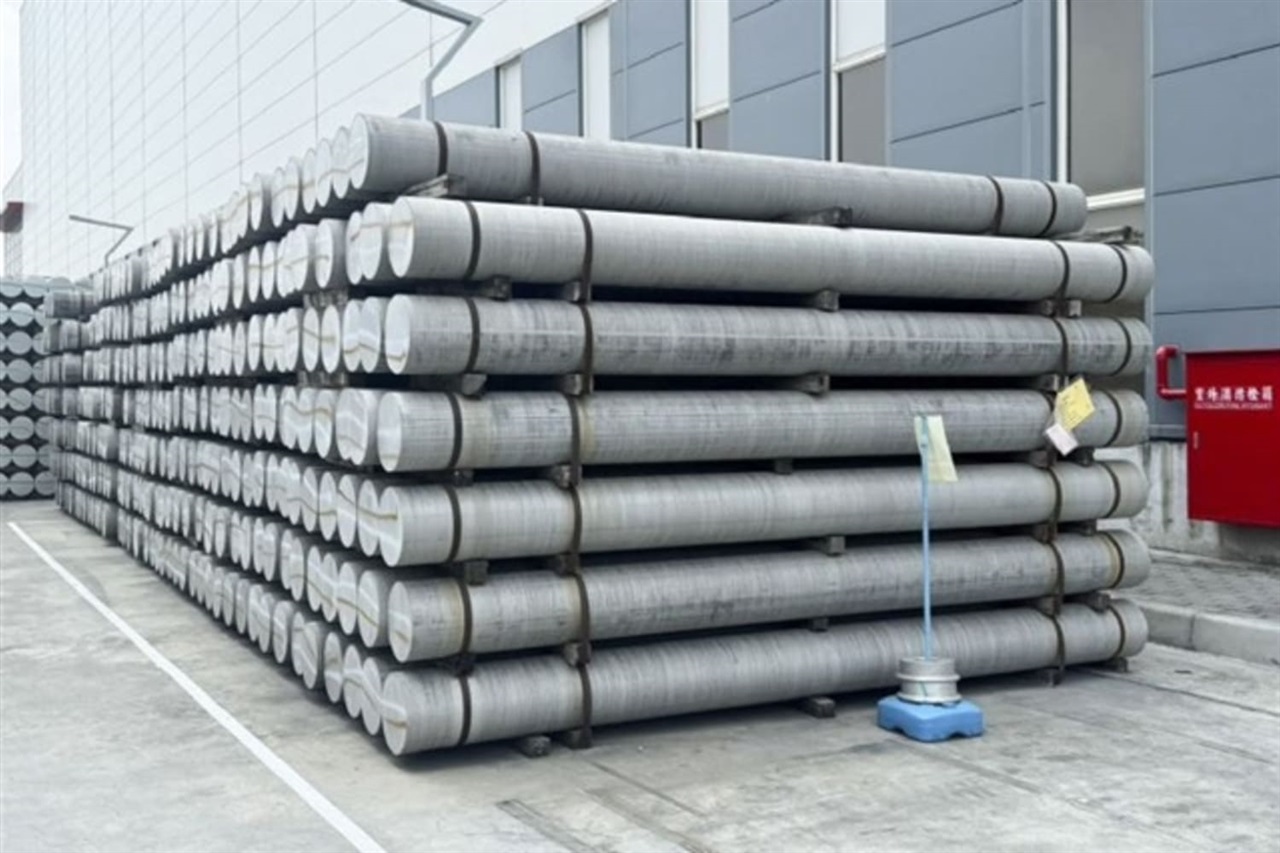
SuperAlloy sees stronger momentum as recycled aluminum demand rises in 2026
SuperAlloy is gaining fresh momentum in the first half of 2026 as demand for recycled aluminum continues to climb across high-end manufacturing markets. The company reported stronger sales in May, supported by growing orders from global luxury car brands and supercar manufacturers that are increasingly prioritizing sustainable materials in their supply chains.
The shift reflects a broader change across advanced manufacturing, where companies are under pressure to reduce carbon emissions, improve resource efficiency, and meet stricter green procurement standards. Recycled aluminum has become an attractive option because it supports lower-impact production while still offering the strength, durability, and lightweight performance required in premium vehicles and technology-related components.
SuperAlloy’s latest update points to rising interest not only from the automotive sector but also from industries tied to the semiconductor supply chain. As chipmakers and precision component suppliers look for more sustainable material solutions, recycled aluminum is becoming more relevant in production ecosystems that demand both quality and environmental responsibility.
Luxury and performance vehicle makers are especially important to this trend. These manufacturers rely heavily on lightweight metals to improve efficiency, speed, handling, and design flexibility. By adopting recycled aluminum, they can support sustainability goals without sacrificing the engineering standards expected in premium and supercar segments.
Green procurement policies are also playing a key role in SuperAlloy’s growth. More global companies are requiring suppliers to provide materials with reduced environmental impact, creating opportunities for producers that can deliver recycled metals at industrial scale. This has helped push recycled aluminum from a niche sustainability choice into a more mainstream material for high-value manufacturing.
The company’s stronger May sales suggest that demand for low-carbon aluminum solutions may continue to build throughout 2026. As more automakers, technology suppliers, and semiconductor-related manufacturers adjust their sourcing strategies, SuperAlloy appears well positioned to benefit from the transition toward cleaner and more circular supply chains.
With recycled aluminum gaining importance across luxury automotive production and advanced industrial markets, SuperAlloy’s performance highlights a growing opportunity in sustainable manufacturing. The company’s progress in the first half of 2026 shows how environmental goals and high-performance material demand are increasingly moving in the same direction.