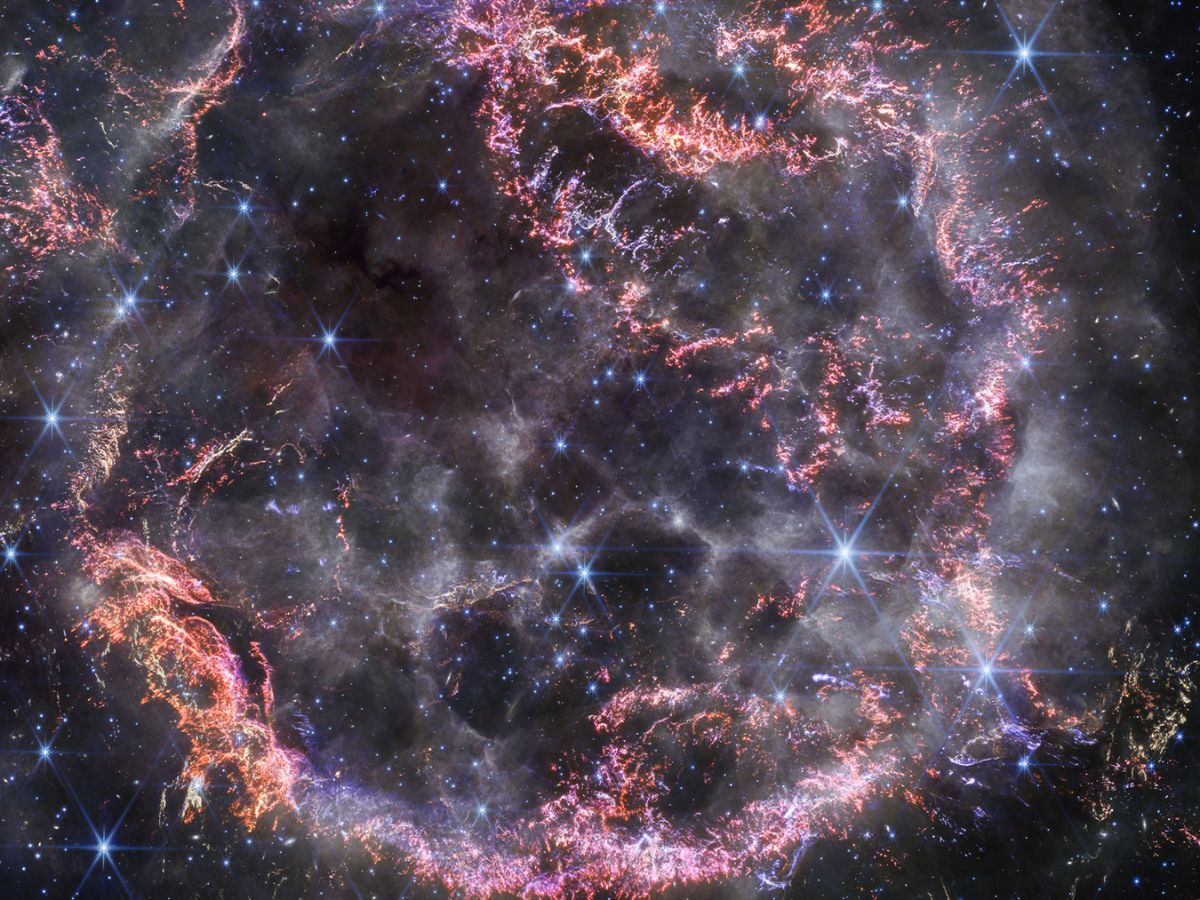
Nestled in our solar system, Earth is constantly influenced by phenomena originating from both our galaxy and the vast expanse of deep space. One intriguing possibility is that supernovae may have historically impacted Earth’s climate—and this could potentially happen again.
Supernovae are massive star explosions, among the most powerful events in the universe, unleashing an extraordinary amount of energy. This energy travels across immense distances, capable of reaching planets and stars thousands of light-years away, illustrating the vast scale of these cosmic occurrences.
In recent research published in the Monthly Notices of the Royal Astronomical Society, scientist Robert Brakenridge explored the connection between supernovae and historical climate shifts on Earth. By developing a model that examines how these energetic rays can influence Earth’s ozone layer and atmospheric methane, Brakenridge identified a compelling link.
Relying on tree ring analysis, Brakenridge pinpointed 11 peaks of radioactive carbon over a span of 15,000 years, each correlating with known supernovae events. This connection offers insights into how such explosions might alter Earth’s climate. The release of immense energy could weaken the ozone layer and reduce methane levels, leading to global cooling and heightened UV radiation exposure. These changes pose risks to biodiversity and could increase the likelihood of widespread fires.
A future focus might be on Betelgeuse, a star that could explode into a supernova due to its significant light variations. If it were to occur, scientists would be presented with an opportunity to study the climate impacts in detail. However, patience is required; even if Betelgeuse were to explode today, its light would not reach us for another 300 years.