Stellar Blade: Blood Rain Trailer Sparks Debate Over Possible Generative AI Use
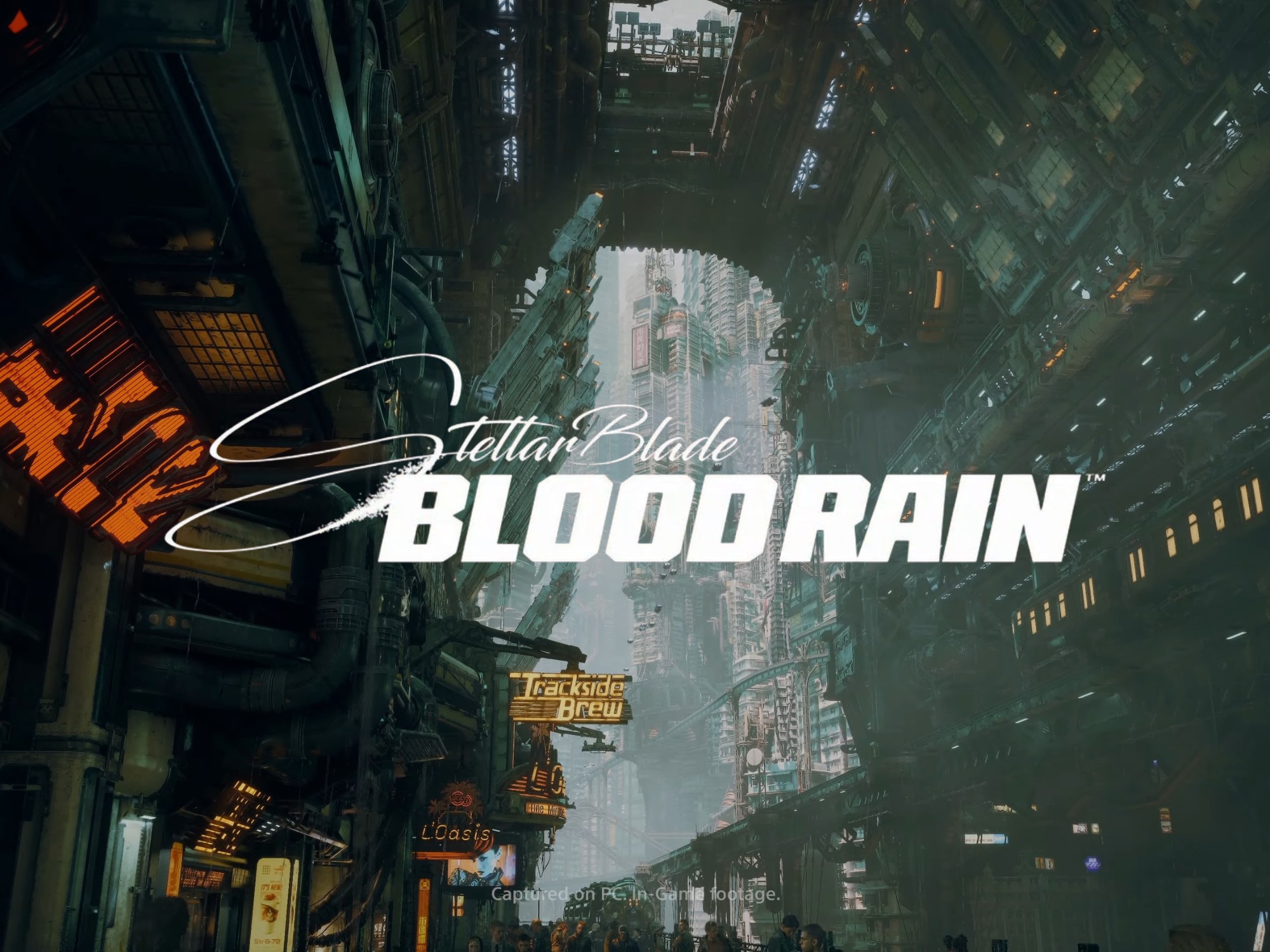
The newly revealed Stellar Blade: Blood Rain trailer from Summer Game Fest 2026 has quickly become a major talking point among fans, but not only because of its slick action and cyberpunk atmosphere. Viewers have begun pointing out details in the footage and promotional art that appear to show signs of generative AI involvement, raising questions about how the technology may affect the sequel’s reception.
Generative AI is becoming more common across the gaming industry, especially as studios look for faster and more cost-effective ways to build worlds, concept art, and marketing materials. However, its use remains controversial. Many players are still wary of AI-generated assets, particularly when they appear unfinished, inaccurate, or careless.
In the case of Stellar Blade: Blood Rain, some fans noticed unusual visual details in the cityscape shown in the trailer and key promotional art. Windows on certain buildings appear distorted or inconsistent, a trait often associated with AI-generated imagery. The biggest concern, however, comes from Chinese text seen in the video. Several viewers have claimed the characters do not form coherent words or phrases, suggesting that the text may have been produced by an AI tool rather than carefully designed by an artist or localization team.
That detail could matter more than it first appears. Stellar Blade has a strong following in China, especially after its PC launch. The original game, once exclusive to PlayStation 5, arrived on Steam in June 2025 and performed impressively. Player data later indicated that more than 60% of its Steam audience came from China, making the region one of the most important markets for the franchise.
Because of that, any awkward or inaccurate use of Chinese characters in Stellar Blade: Blood Rain could create backlash among a key portion of the game’s audience. For players who recognize the language, meaningless text can feel distracting, careless, or even disrespectful, particularly in a game that appears to draw visual inspiration from real-world Asian cities.
Fans have also speculated that the futuristic city shown in the Blood Rain trailer may be inspired by Chongqing, a major Chinese metropolis known for its dense skyline, dramatic vertical architecture, neon-lit streets, and cyberpunk-like atmosphere. If that is the case, accurate cultural and linguistic details could be even more important to the game’s authenticity.
It remains unclear whether the questionable visuals in the trailer represent final in-game content or early placeholder material. Game trailers, especially those revealed long before launch, often include unfinished assets that are later refined. Still, the discussion has already placed extra attention on how Shift Up handles art direction, localization, and AI-assisted production going forward.
Shift Up CEO Kim Hyung-tae has previously expressed support for generative AI, describing it as a useful tool for smaller Korean developers competing against larger studios in the West and China. However, he has also suggested that AI should be used to improve productivity rather than fully replace human-created assets. That distinction may become increasingly important as players continue to scrutinize how AI is used in major game projects.
The controversy around Stellar Blade: Blood Rain may not end with AI concerns. Some critics have also questioned the sequel’s new protagonist, Evie, arguing that her youthful appearance could become another source of debate before release.
Despite the criticism, interest in Stellar Blade: Blood Rain remains high. The original game built a passionate fanbase with its fast-paced combat, stylish presentation, and sci-fi world. If the sequel can deliver strong gameplay while addressing concerns about AI-generated visuals and cultural accuracy, it could still become one of the most talked-about action RPG releases of its generation.