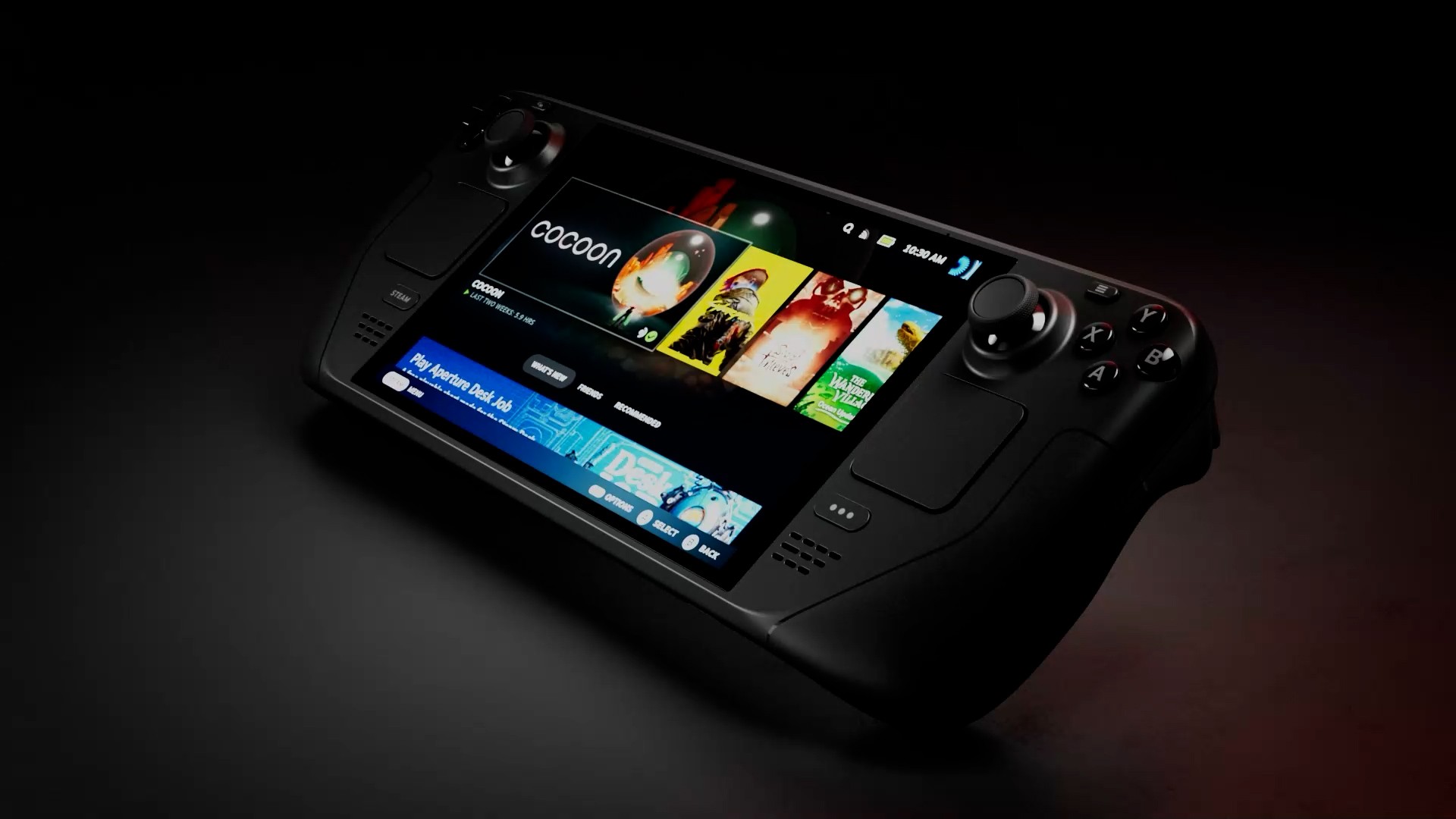
Steam Deck Sales Reportedly Slow Sharply After Price Increase as Handheld Gaming Costs Rise
Valve’s Steam Deck has been one of the biggest success stories in PC gaming hardware, but its momentum may be slowing. A new market analysis suggests that sales of the popular handheld gaming PC have dropped significantly following a recent price increase, raising questions about how much buyers are willing to pay in an increasingly expensive handheld gaming market.
Since its launch, the Steam Deck has consistently ranked among the top-selling products on Steam. Unlike many gaming devices that see major spikes during holidays or promotional periods and then fade, Valve’s handheld has enjoyed unusually steady demand. For much of 2025, it reportedly remained near the top of Steam’s best-selling product rankings, often staying within the top five.
That strong performance appears to have changed after supply problems and a higher price tag.
According to an analysis from Boiling Steam, the Steam Deck faced availability issues in early 2026, limiting its presence in the market. When Valve resumed shipments in late May, the handheld returned at a noticeably higher price. While the device initially sold out again in North America, that demand did not appear to last long.
The analysis estimates that Steam Deck unit sales may have fallen by as much as 82% after the price hike. It also notes that the device reportedly dropped from fifth place to fourteenth place in Steam’s weekly top sellers chart after returning to stock.
These figures should be viewed with caution. Valve has not released official Steam Deck shipment numbers, and Steam’s public top sellers list ranks products by revenue, not by units sold. That means a more expensive product can rank higher even if fewer units are being purchased. Because of this, the reported sales decline is an estimate rather than a confirmed figure.
Still, the overall trend suggests that the new pricing may have weakened the Steam Deck’s appeal for many buyers.
The Steam Deck originally gained popularity because it offered a compelling mix of performance, portability, and value. It gave PC gamers access to a large Steam library in a handheld format without requiring the premium pricing often associated with gaming laptops or high-end portable PCs. That value proposition helped the device stand out, especially among players looking for a more affordable way to enjoy PC games on the go.
However, the broader gaming handheld market has changed quickly. Newer handhelds based on more advanced hardware are entering the market at higher prices, and even older-generation devices are becoming more expensive. Some handheld gaming PCs are now approaching the $1,000 range, making price a major factor for consumers.
For many players, that rising cost changes the conversation. A handheld gaming PC can be attractive, but once prices climb too high, buyers may start comparing these devices against gaming laptops, consoles, desktop upgrades, or simply waiting for discounts.
The Steam Deck still has major strengths. It benefits from Valve’s software support, SteamOS optimization, a large user community, and compatibility with a huge catalog of games. It remains one of the most recognized handheld gaming PCs available and continues to be a key product in the portable PC gaming space.
But the reported decline shows that even a popular device can lose momentum when pricing shifts. If the Steam Deck is no longer seen as the best-value handheld gaming PC, some consumers may delay purchases or look at competing devices.
The situation also highlights a larger challenge for the handheld gaming industry. Demand for portable PC gaming is real, but pricing must remain attractive. As devices become more powerful, manufacturing costs rise, and supply conditions fluctuate, companies may struggle to balance performance, profit margins, and consumer expectations.
For Valve, the coming months could be important. If Steam Deck demand continues to soften, the company may need to rely on promotions, bundles, refreshed models, or more competitive pricing to regain momentum. On the other hand, if supply stabilizes and the device maintains a strong position in Steam’s revenue charts, the slowdown may prove temporary.
For now, the Steam Deck remains a major player in handheld gaming, but its recent price increase appears to have made buyers more cautious. In a market where value has always been one of its biggest advantages, even a modest shift in price can have a major impact on demand.