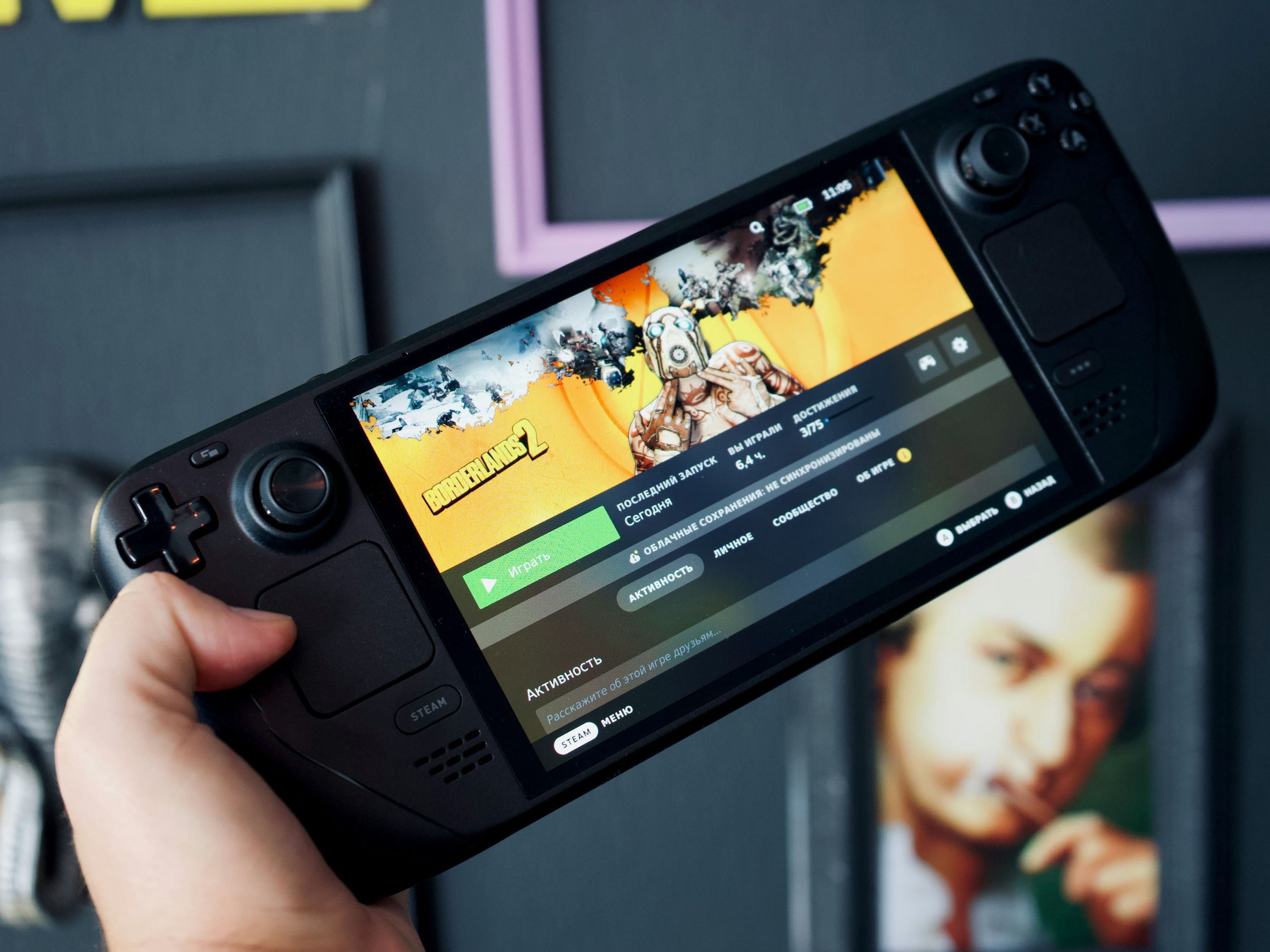
Steam Deck 2 faces a tough balancing act between power, price, and battery life
Valve has yet to officially announce the Steam Deck 2, but speculation around its next handheld gaming PC continues to grow. Recent rumors suggest that the second-generation Steam Deck could use a GPU based on AMD’s RDNA 3.5+ or RDNA 4m architecture, possibly with 12 compute units. That would be an upgrade over the current Steam Deck, but it may still fall short of what some players expect from a modern portable gaming device.
The debate has quickly become about more than raw specifications. For many gamers, the big question is not simply whether the Steam Deck 2 can run the newest AAA games, but what kind of handheld Valve should be building in the first place.
A large part of the Steam Deck community does not see the device as a machine meant to compete with high-end gaming PCs or powerful consoles. Instead, many players use it to enjoy older PC games, indie titles, emulation, and the huge Steam libraries they have built up over the years. For these users, the Steam Deck is less about chasing ultra settings and more about convenience, comfort, and finally finishing games that have been sitting untouched in their backlog.
That view has strong support among handheld fans. The current Steam Deck is popular not because it is the most powerful portable gaming system available, but because it offers a flexible and relatively affordable way to play PC games away from a desk. It hits a sweet spot for many people: good enough performance, easy access to Steam, and a portable form factor that makes gaming feel more accessible.
However, not everyone is satisfied with that direction. Some players argue that if the Steam Deck 2 is not powerful enough to handle new AAA games at acceptable settings, then the purpose of releasing a successor becomes less clear. After all, the original Steam Deck already handles older games, indie releases, and less demanding titles well. For these users, a second-generation model should bring a meaningful performance jump.
They do not necessarily expect the Steam Deck 2 to run the latest blockbusters at maximum graphics settings. But many do expect modern games to be playable at low or medium settings with stable frame rates. With rival handheld gaming PCs becoming more powerful, some gamers believe Valve needs to deliver stronger hardware to stay competitive.
This creates the central challenge for Valve: performance comes at a cost. A more powerful GPU can improve frame rates and make newer games more playable, but it can also increase power consumption, generate more heat, reduce battery life, and raise the final price. In a handheld device, every design choice involves compromise.
Battery life remains one of the most important factors for portable gaming. A handheld that delivers impressive performance but drains quickly may not appeal to players who want to game while traveling, commuting, or relaxing away from a power outlet. At the same time, a lighter and more efficient device may disappoint users hoping for a major leap in graphics power.
Price is another major concern. One of the reasons the original Steam Deck gained so much attention was its value. If Valve pushes too hard into premium hardware, the Steam Deck 2 could become significantly more expensive, potentially losing the affordability that helped make the first model so appealing.
The Steam Deck 2 may therefore need to strike a careful balance. Valve could aim for improved efficiency rather than chasing the highest possible performance. A newer AMD architecture, better upscaling support, improved display technology, and smarter power management could all help deliver a better gaming experience without turning the device into a bulky, expensive, battery-hungry handheld.
Still, pleasing everyone may be impossible. Some players want a compact and affordable backlog machine with long battery life. Others want a true next-generation handheld capable of running the latest AAA games more comfortably. Those goals are not easy to combine in one device.
The discussion around the Steam Deck 2 shows just how different the expectations are for handheld gaming PCs. For some, the ideal Steam Deck successor is an efficient, refined version of the original. For others, it needs to be a much more powerful gaming system that can keep up with modern releases.
Until Valve shares official details, the Steam Deck 2 will remain one of the most talked-about upcoming gaming handhelds. What is already clear, though, is that Valve faces a difficult decision: build a more powerful device for demanding players, preserve the affordability and battery life that made the Steam Deck popular, or try to land somewhere in the middle. Whatever path it chooses, the Steam Deck 2 will likely define the next stage of portable PC gaming.