From US$10 Million to a US$22 Billion Vision: Starcloud Makes the Case for AI Data Centers in Space
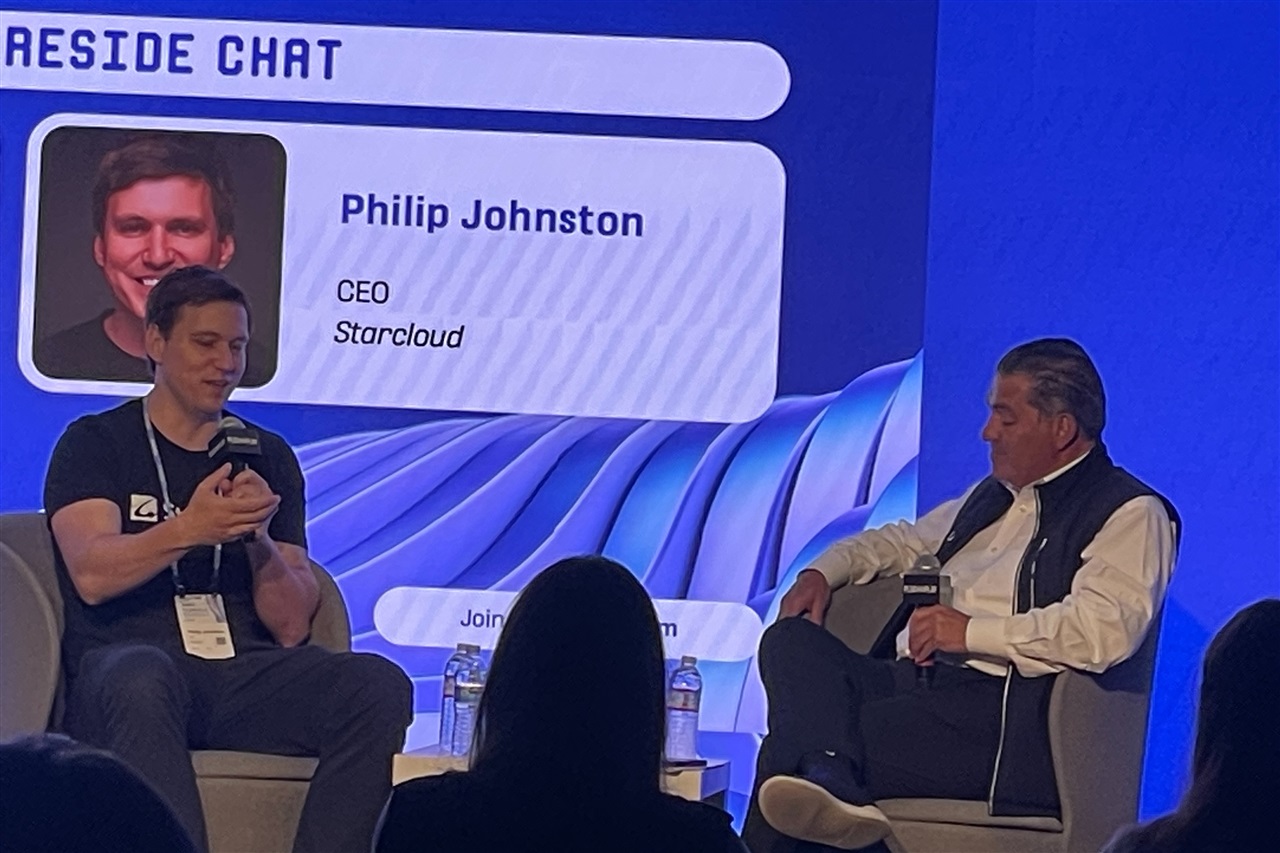
Philip Johnston, co-founder and CEO of Starcloud, delivered one of the most attention-grabbing ideas at the Plug and Play Silicon Valley May Summit in Sunnyvale: the future of affordable AI infrastructure might not be on Earth at all.
Speaking at the opening of the summit’s second day, Johnston argued that space could become one of the most cost-effective locations for building AI data centers. It is a concept that may have sounded far-fetched only a few years ago, but the rapid rise of artificial intelligence has changed the conversation. As demand for computing power explodes, companies are searching for new ways to reduce energy costs, overcome land limitations, and keep advanced AI systems running at scale.
Starcloud is positioning itself at the center of that shift. The company’s vision is built around a simple but bold question: if AI data centers require enormous amounts of power and cooling, why not place them somewhere with constant access to solar energy and the natural cooling advantages of space?
AI data centers have become one of the biggest pressure points in the technology industry. Training and running large AI models requires immense computing capacity, and that capacity depends on thousands of high-performance chips working around the clock. The result is a growing need for electricity, cooling systems, land, and supporting infrastructure. In many regions, power availability has become a bottleneck for new data center projects.
This is where Starcloud’s idea becomes compelling. In orbit, solar power is abundant, uninterrupted by weather, and not constrained by local power grids. Space also offers an environment that could help reduce some cooling challenges, which are among the most expensive parts of operating traditional data centers on Earth.
Johnston’s message reflects a broader transformation in how the tech world thinks about infrastructure. For years, the data center race was mostly about building larger facilities closer to users and cloud regions. Now, the AI boom is forcing companies to rethink the basics: where computing should happen, how much energy it should consume, and whether Earth-based facilities alone can support future demand.
The scale of Starcloud’s ambition is striking. The company’s journey is being framed around a rapid leap from an early US$10 million concept to a vision tied to a potential US$22 billion opportunity in just 17 months. That kind of growth reflects the urgency surrounding AI infrastructure and the willingness of investors, founders, and engineers to explore ideas that once belonged more to science fiction than business strategy.
Of course, space-based AI data centers face major challenges. Launch costs, hardware durability, maintenance, communication latency, and regulatory issues all remain significant hurdles. Building computing systems for orbit is far more complex than deploying servers in a traditional facility. Equipment must survive radiation, temperature extremes, and the physical stress of launch. Repairs and upgrades would also be much harder than in a conventional data center.
Still, the argument for space is gaining attention because the problems on Earth are becoming harder to ignore. AI companies need more power. Utilities are struggling to keep up with demand. Communities are raising concerns about water use, energy consumption, and the environmental impact of massive server farms. If Starcloud can prove that orbital computing is technically and economically viable, it could open a new category of AI infrastructure.
The company’s pitch also arrives at a moment when the commercial space industry is maturing quickly. Lower launch costs, more frequent missions, and improved satellite technology are making orbital business models more realistic. What once required government-level budgets is increasingly accessible to private companies with focused engineering teams and strong capital backing.
For AI developers, the appeal is clear. A successful space-based data center model could provide access to scalable computing power without the same dependence on terrestrial power grids. It could also support future applications that require massive processing capacity, from advanced machine learning to scientific simulation and autonomous systems.
Starcloud’s vision is not just about putting servers in orbit. It is about redefining where the digital economy can live. If AI is becoming the engine of the next technology era, then the infrastructure behind it may need to expand beyond traditional limits.
Johnston’s presentation in Sunnyvale may be remembered as an early glimpse of that possibility. The idea is ambitious, risky, and technically demanding, but it speaks directly to one of the biggest questions facing the AI industry today: how do you power the next generation of intelligence when Earth-based infrastructure is already under strain?
Starcloud believes part of the answer could be found above us. And if the company can turn that belief into a working business, the future of AI data centers may extend far beyond the planet’s surface.


