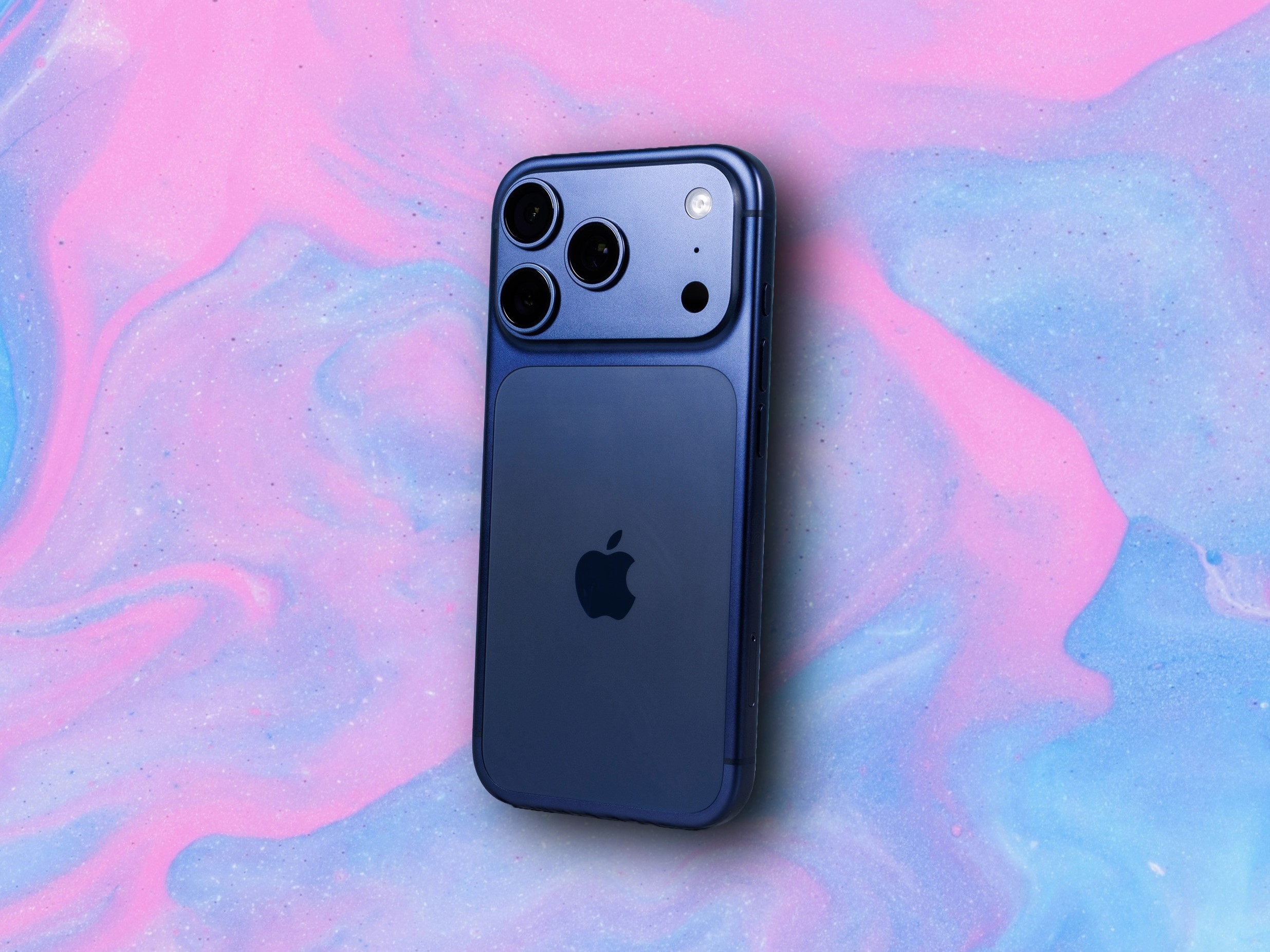
Apple may be shaking up its long-running iPhone launch playbook for the iPhone 18 era, and the ripple effects could be felt across the entire supply chain. After years of unveiling new iPhone models in the second half of the year, Apple is now rumored to be splitting the iPhone 18 lineup across two separate launch windows.
The latest reports suggest Apple will debut its higher-end models first, with the iPhone 18 Pro, iPhone 18 Pro Max, and a new foldable model often referred to as the iPhone Fold arriving in the second half of 2026. Meanwhile, the standard iPhone 18 and the iPhone Air 2 are expected to be pushed into the first half of 2027.
That staggered release strategy could directly affect annual shipment totals. According to a report from Korea, Apple may ship around 20% fewer iPhone 18 series units in 2026 compared with 2025. The reasoning is straightforward: if the base iPhone 18 and iPhone Air 2 don’t arrive until 2027, a sizable chunk of the lineup’s typical calendar-year volume disappears from 2026. Those two models are said to represent roughly 30% of total iPhone volume, which helps explain the projected dip.
Component suppliers in Korea are also expected to feel some pressure, particularly display makers. Samsung is reportedly preparing about 60 million OLED panels for the iPhone 18 Pro, iPhone 18 Pro Max, and the foldable iPhone, with Samsung described as the sole supplier for the foldable model’s OLED screens. LG, on the other hand, is said to be producing around 40 million OLED panels in 2026, focused on the iPhone 18 Pro and Pro Max.
When compared to last year’s reported output, that’s a noticeable pullback. In 2025, Samsung and LG were said to have produced about 80 million and 45 million panels, respectively. The new figures point to roughly a 20% year-over-year reduction, aligning with the expectation of lower overall iPhone shipments during 2026.
Still, the financial impact may not be as dramatic as the shipment numbers suggest. Because Apple’s premium models—the iPhone 18 Pro and iPhone 18 Pro Max—are expected to launch on schedule in late 2026, the company could offset some of the volume decline with higher average selling prices. The introduction of the iPhone Fold could further support revenue, since foldable devices typically sit at the high end of the pricing spectrum.
As for what buyers can expect from the iPhone 18 Pro and iPhone 18 Pro Max, the rumored upgrade list sounds meaningful but not overwhelmingly transformative. The two flagships are expected to focus on a next-generation A20 chip, a variable aperture 48MP main camera, and a smaller Dynamic Island. If that ends up being the core of the hardware refresh, pricing could become the deciding factor for many shoppers.
That’s why one of the more interesting implications of these rumors is what they could mean for iPhone 18 pricing across the board. If Apple chooses to protect demand by tightening profit margins rather than raising prices, consumers could end up with a rare win: an iPhone 18 lineup that delivers new features and a new foldable option without a major price jump.
For now, nothing is official, but the picture emerging is clear. Apple may be moving toward a two-phase iPhone launch strategy, prioritizing Pro and foldable models in late 2026 and saving the standard iPhone 18 and iPhone Air 2 for early 2027—an approach that could reshape iPhone sales patterns, supplier planning, and the way buyers decide when to upgrade.