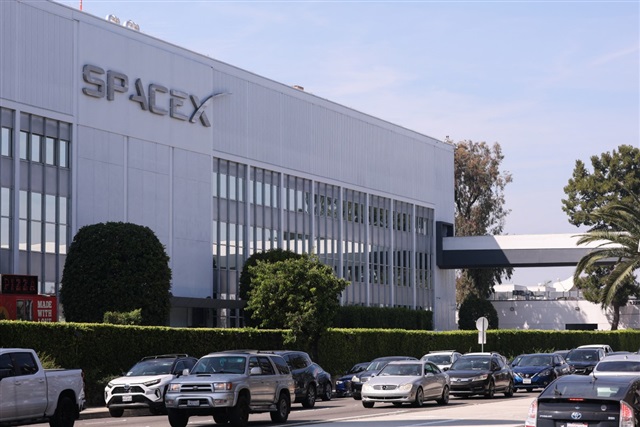
Elon Musk’s SpaceX may be preparing to take one of the biggest steps in its history: entering the public markets. According to people familiar with the matter, the private space company has confidentially filed paperwork for an initial public offering (IPO) in the United States, a move that could set the stage for one of the most closely watched listings in years.
SpaceX has played a major role in transforming modern spaceflight, helping shift rocket launches from rare, ultra-expensive government events into a faster-moving commercial industry. If the company follows through with a public debut, it would give everyday investors a rare chance to buy into a business that sits at the center of the new space economy and has become a cornerstone of America’s launch capabilities.
A confidential IPO filing is a common route for high-profile companies because it allows them to begin the regulatory process while keeping key details private early on. That can include sensitive financial information, timelines, and valuation expectations. In other words, an IPO isn’t guaranteed yet, but the filing signals serious intent and suggests SpaceX is exploring the best moment to go public.
The potential scale of the offering is what’s grabbing attention. SpaceX is widely viewed as one of the most valuable private companies in the world, and a public listing could rank among the largest stock market debuts ever, depending on the final valuation and the number of shares offered. Investors and analysts will be watching closely for signs of how SpaceX plans to position itself in public markets, especially given the company’s ambitious long-term goals and the capital-intensive nature of space hardware and launch operations.
For now, SpaceX has not publicly confirmed the filing, and many core details remain under wraps. Still, the report adds fresh momentum to growing speculation that SpaceX is inching closer to a major market event—one that could reshape the relationship between investors and the rapidly expanding commercial space sector.