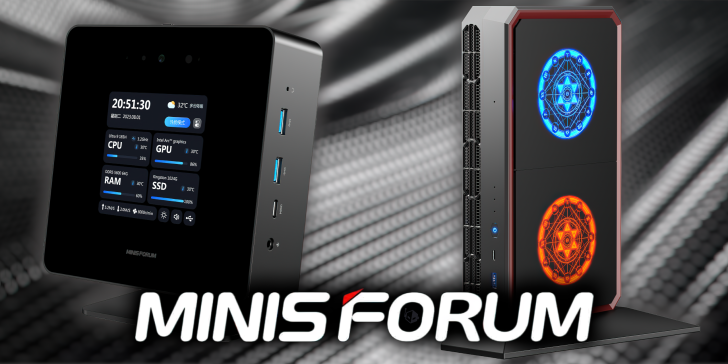
Memory prices are soaring, and the ripple effects are hitting PC hardware across the board. Minisforum has now confirmed it will raise prices on select mini PCs, citing sharp increases in the cost of DRAM and NAND storage components as the driving force behind the adjustment.
According to the company’s price adjustment notice, global hikes in raw material and key component costs have pushed manufacturing expenses significantly higher. After internal evaluations, Minisforum says it chose to protect product quality rather than hold prices down at the expense of performance or reliability. The company describes the upcoming changes as moderate and targeted, emphasizing that quality and user experience remain its top priorities.
Not every model will be affected. Minisforum states that the following products will remain unchanged in price:
– Barebone (unconfigured) models
– Systems that ship without DDR5 memory or an SSD
This move comes amid a broader market trend. DRAM prices have nearly doubled this year, pressuring everything from laptops and GPUs to compact desktops. NAND costs have risen as well, pushing SSD prices higher. With memory accounting for a significant portion of a mini PC’s bill of materials—especially models bundled with DDR5 and higher-capacity NVMe drives—the impact is immediate and difficult for manufacturers to absorb.
Minisforum also reaffirmed its roadmap, promising continued investment in next‑gen compact computing, including AI mini workstations, AI‑ready mini PCs, mini gaming systems, and AI‑capable NAS devices. The company’s statement, dated November 7, 2025, frames the price update as a long‑term commitment to durability and support rather than a short‑term fix.
For buyers, the key takeaways are:
– Expect higher prices soon on preconfigured Minisforum systems that include DDR5 RAM and SSDs.
– Barebone units should remain a cost‑effective option, allowing users to source memory and storage separately.
– Rising DRAM and NAND costs are industry‑wide, so similar adjustments from other PC makers are likely.
The memory crunch is also bleeding into the graphics market. Expensive DRAM is reportedly contributing to delays for upcoming GPUs, with whispers of the GeForce RTX 50 Super series slipping to Q3 2026. There are also reports of constrained supply for a 16 GB RTX 5060 Ti variant tied to the higher costs and demand for GDDR7 memory.
Bottom line: If you’re shopping for a mini PC, consider acting sooner on configurations you need or opt for a barebone system and add your own DDR5 and SSD. With DRAM and NAND prices elevated, the new pricing reality could stick around until memory supply catches up with demand.