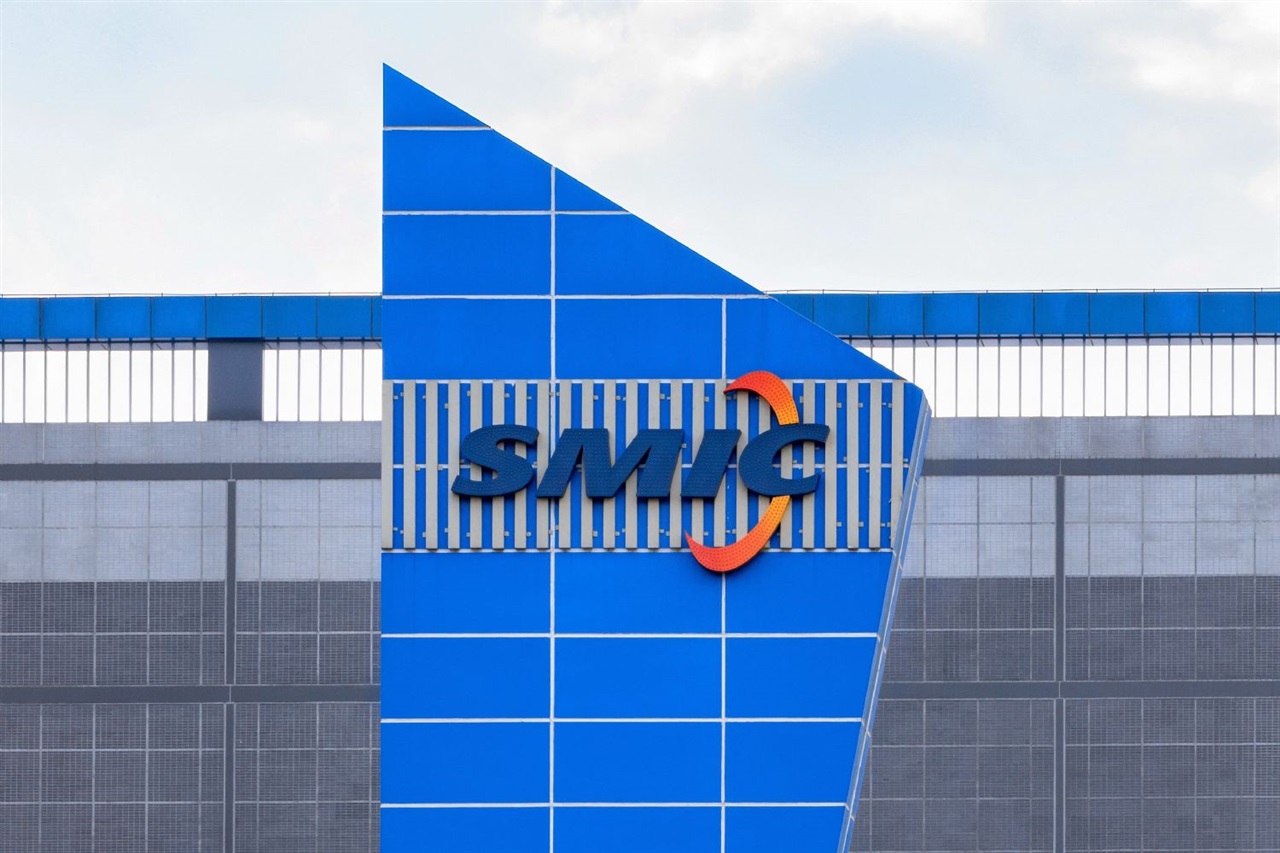
SMIC revenue jumps in H1 2025, underscoring China’s chip ambitions
Semiconductor Manufacturing International Corporation reported a strong first half of 2025, with total revenue rising 23.4% year-on-year to CNY31.99 billion (about US$4.47 billion). Core foundry revenue reached CNY30.35 billion, up 25.9%. The performance highlights firm demand for made-in-China silicon and the company’s growing role in the global supply chain.
Why this matters
As China’s leading contract chipmaker, SMIC’s results are a bellwether for the country’s broader semiconductor drive. Double-digit growth suggests ongoing momentum across key end markets and continued progress toward supply-chain resilience and domestic substitution.
Key figures at a glance
– Total revenue: CNY31.99 billion (US$4.47 billion), up 23.4% year-on-year
– Foundry revenue: CNY30.35 billion, up 25.9%
What’s likely powering the surge
– Broad-based demand: The rebound in electronics, steady automotive and industrial orders, and expanding AI-adjacent applications are supporting higher wafer volumes, particularly at mature process technologies where global demand remains solid.
– Domestic ecosystem push: China’s continued emphasis on local sourcing and capacity build-out is channeling more design wins and production runs to homegrown foundries.
– Supply-chain recalibration: Companies diversifying manufacturing footprints are directing more work to regional partners, a trend that aligns with SMIC’s growth.
Strategic implications
– Greater self-reliance: Rising output from domestic foundries reduces reliance on overseas suppliers and can shorten lead times for local customers.
– Competitive dynamics: Sustained growth at SMIC may intensify competition in mature-node manufacturing, influencing pricing and allocation across Asia.
– Investment signal: Strong first-half momentum could reinforce continued spending on capacity, talent, and ecosystem partnerships within China.
What to watch next
– Order visibility and utilization: How stable is demand through the second half of 2025?
– Capacity and mix: Any shifts in product mix toward higher-value applications could influence margins and future growth.
– Policy and trade landscape: Export controls, licensing changes, and local incentives remain key variables for planning and execution.
Bottom line
SMIC’s first-half 2025 results show robust top-line expansion, with foundry revenue delivering even faster growth. The numbers underline both the company’s execution and China’s sustained push to expand its semiconductor manufacturing footprint.