Global Smartphone Shipments Fall to Weakest Q2 Level Since 2013 as Prices Rise
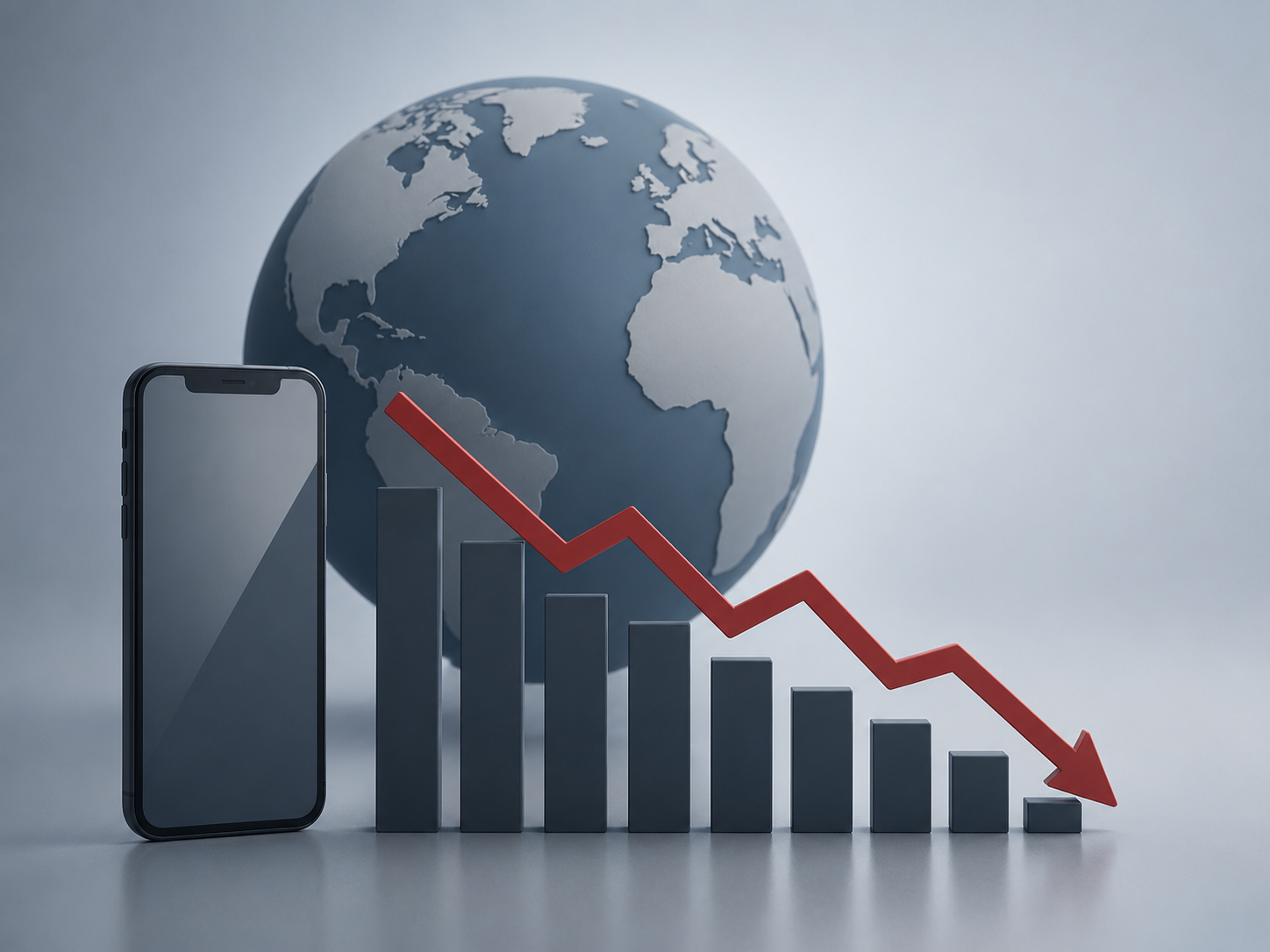
Global smartphone shipments continued to lose momentum in the second quarter of 2026, falling 11% year over year and reaching their lowest Q2 level in 13 years. The slowdown highlights growing pressure across the mobile industry as component shortages, higher production costs, and weaker consumer demand reshape the smartphone market.
According to preliminary estimates from Counterpoint Research, the biggest factor behind the decline is the ongoing memory supply crunch. The shortage has increased manufacturing costs for smartphone brands, forcing many companies to raise prices. That impact is being felt most sharply in the budget smartphone category, where even small price increases can influence buying decisions.
As affordable phones become more expensive, many consumers are choosing to hold onto their current devices for longer. This has weakened demand for entry-level and mid-range smartphones, especially in markets where price sensitivity is high. For millions of buyers, upgrading to a new device is no longer an automatic decision when older phones still perform well enough for daily use.
The pressure has not affected every smartphone maker equally. Companies with large portfolios of low-cost models are facing tougher conditions because the budget segment is most exposed to rising component prices. Brands with stronger premium lineups are in a better position, as buyers of flagship devices are generally less likely to delay purchases due to modest price increases.
Samsung returned to the top spot in global smartphone shipments during the quarter, capturing a 24% market share. The company’s performance was helped by solid demand for its Galaxy A series, which remains popular in many regions thanks to its balance of features, pricing, and brand recognition.
Apple followed with a record 20% share for a second quarter, showing that iPhone demand remains relatively strong despite the broader market decline. The company’s premium-focused strategy appears to be helping it withstand the slowdown better than many competitors.
Xiaomi ranked third with a 12% share, while Oppo took 11% and Vivo held 8%. These brands continue to compete heavily in the affordable and mid-range smartphone segments, where the current pricing pressure is most intense.
Analysts expect the difficult market conditions to continue through the rest of 2026. Memory supplies remain constrained, and smartphone makers may have limited room to reduce prices unless component availability improves. As a result, consumers could continue to see higher retail prices, particularly for budget-friendly models.
Flagship smartphones are expected to perform more steadily than cheaper devices, but the overall market is unlikely to recover quickly if costs remain elevated. For now, the smartphone industry is facing a challenging combination of weak upgrade demand, rising prices, and limited component supply.
The latest figures suggest that 2026 could be a difficult year for global smartphone sales. Until memory shortages ease and prices stabilize, many consumers may continue delaying upgrades, keeping pressure on manufacturers and retailers worldwide.