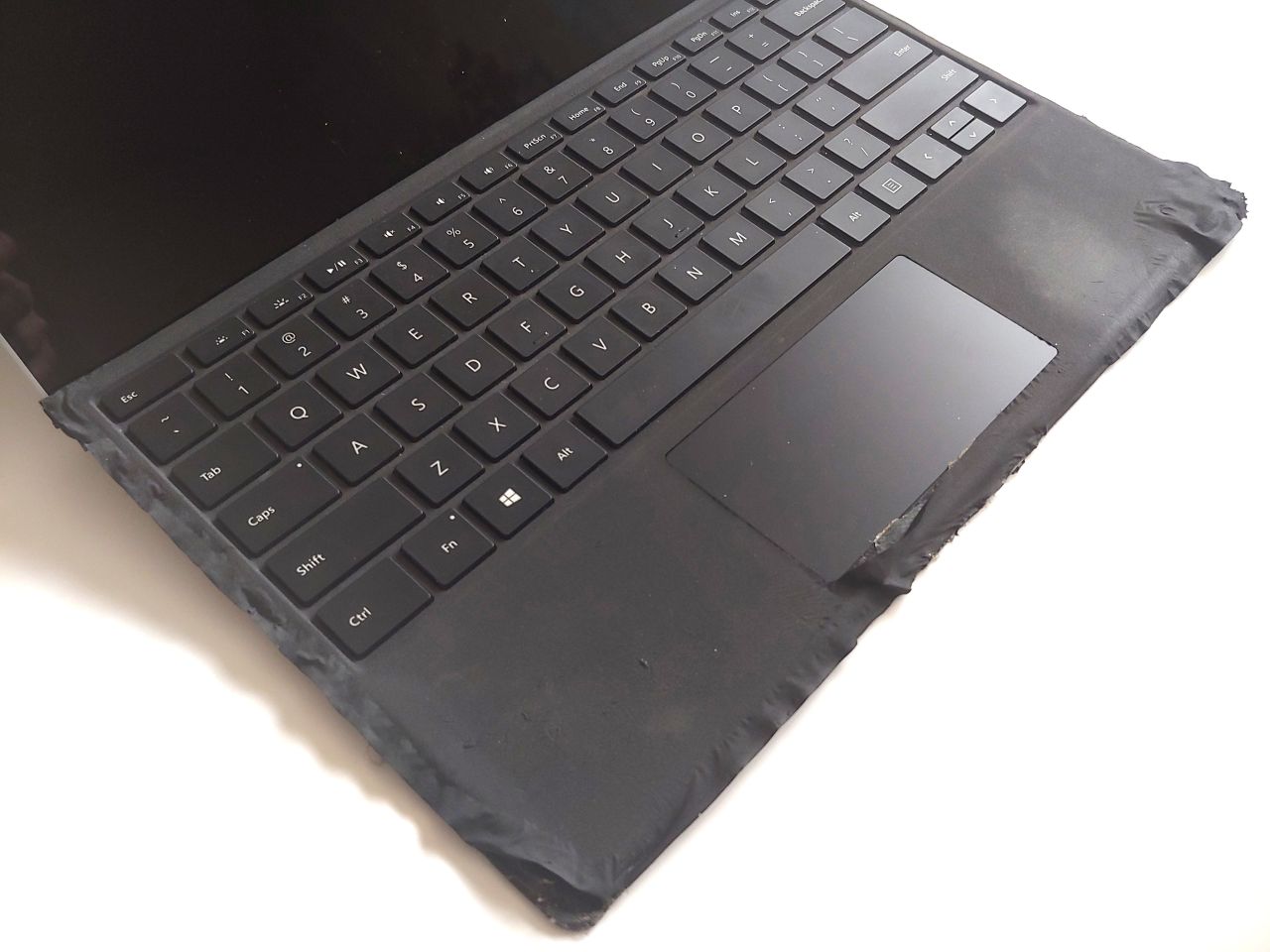
High-tech laptops meet a low-tech problem: germs. During the COVID-19 pandemic, researchers highlighted how the coronavirus could persist on many surfaces, with one review reporting survival for five or more days on clothing. Pair that with the everyday reality that many people don’t wash their hands as often as they should after using the bathroom or eating, and you’ve got a recipe for a microbe magnet. Keyboards already collect what our fingers carry, plus whatever lands on them while we talk, sneeze, or snack. Studies have even turned up microbes traced back to urban wildlife, meaning your keyboard can pick up more than you think.
That’s where Alcantara-covered laptop keyboards enter the spotlight. Alcantara is a microfiber that feels premium and looks stylish, but it behaves much more like fabric than a hard, nonporous surface. Because it’s textile-like, it can harbor oils, grime, and—potentially—viruses and bacteria in its fibers. Unlike plastic or metal, you can’t truly wash or disinfect Alcantara the way you would a countertop or glass trackpad. You can’t dunk it, bleach it, or saturate it with harsh cleaners without risking damage. In other words, it’s a beautiful material that’s difficult to sanitize effectively.
If you’re using an Alcantara-covered Surface-style keyboard day in and day out, consider how quickly it encounters contamination. Hands move from phone to face to food to keys. Speech droplets and sneezes can settle on the surface. Crumbs, dust, and environmental particles work their way into the fibers. Given its similarity to clothing and upholstery, it isn’t far-fetched to assume microorganisms can linger there, just as they do on fabrics.
While you can’t fully disinfect Alcantara like a hard keyboard, you can reduce buildup and make it easier to keep clean over time. Practical habits help minimize what ends up in the fibers in the first place:
– Wash or sanitize your hands before you type, especially after the bathroom or eating.
– Avoid eating directly over the keyboard to reduce crumbs and residue.
– Gently clean the surface regularly with a slightly damp, lint-free cloth and mild soap, taking care not to soak the material.
– Let it air-dry completely before closing the laptop to prevent trapped moisture.
– Consider using a removable external keyboard during messy tasks to keep the Alcantara pristine.
The bottom line: Alcantara delivers a premium look and feel, but it brings fabric-like hygiene challenges to a device you touch constantly. In the COVID era we learned that viruses can survive on surfaces, sometimes for days on textiles. Combine that with less-than-perfect hand hygiene and everyday exposure, and it’s reasonable to expect that Alcantara-covered keyboards can host unwanted microbes—yet they can’t be properly washed or thoroughly disinfected. If cleanliness is a top priority, adopt preventive habits and gentle maintenance, or opt for accessories that keep the microfiber out of the line of fire.