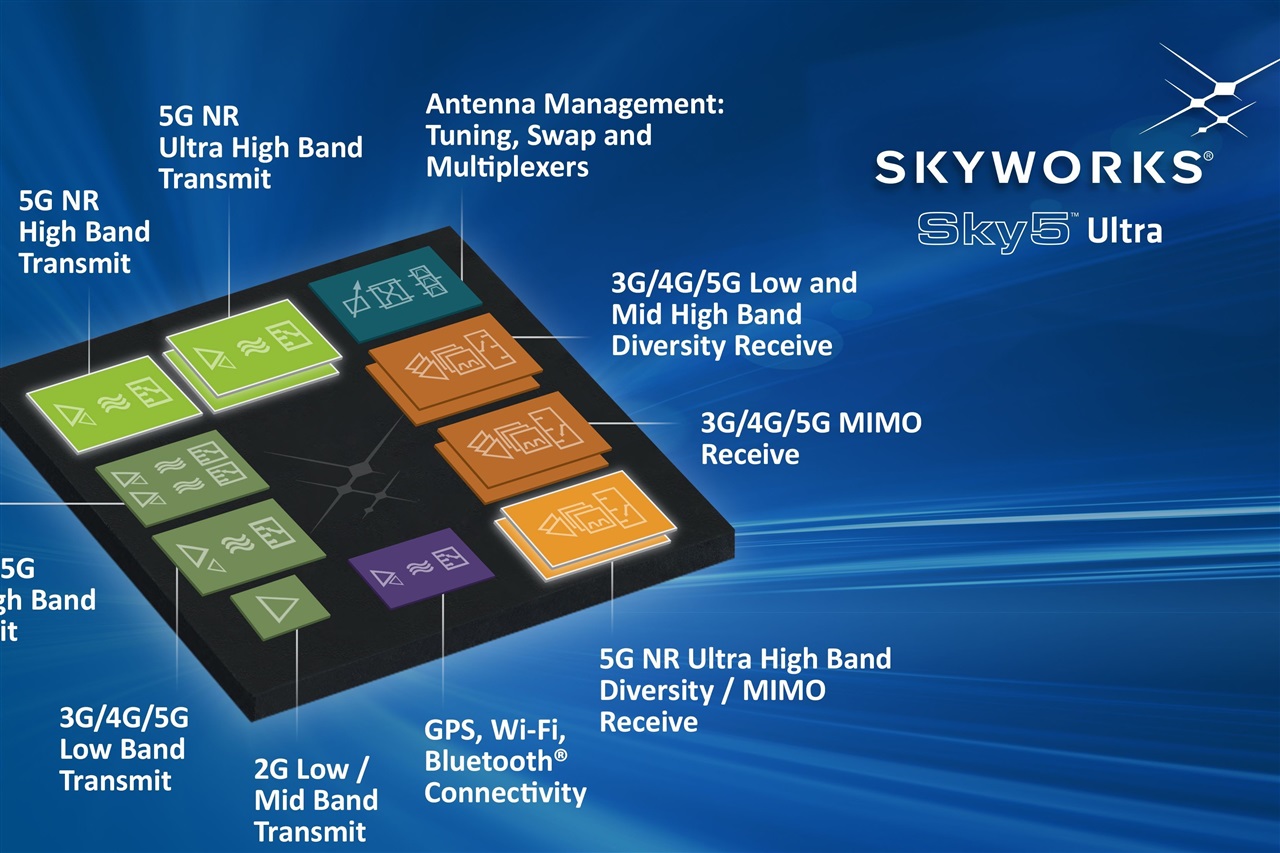
Skyworks Solutions and Qorvo are joining forces in a cash-and-stock transaction valued at about US$22 billion, creating a new US-based leader in high-performance RF, analog, and mixed-signal semiconductors. The announcement arrived alongside Skyworks’ preliminary fiscal 2025 results, underscoring the companies’ confidence as they move into their next chapter.
Why this matters: both companies are staples in wireless connectivity and signal processing, and their combination positions the new entity to serve fast-growing markets that demand robust RF and mixed-signal technology. Think next-generation smartphones and wearables, Wi‑Fi and broadband networking, industrial IoT, automotive connectivity, and defense and aerospace systems—segments where performance, power efficiency, and integration are critical.
The strategic logic is straightforward: greater scale, a broader product portfolio, and deeper R&D to accelerate innovation in RF front-end and mixed-signal solutions. By uniting complementary expertise, the combined company can offer more complete platforms, streamline design-in for device makers, and potentially shorten time-to-market for complex wireless and analog systems. It also strengthens bargaining power across the supply chain and may improve manufacturing flexibility in a sector where resilience and capacity planning have become strategic priorities.
Key takeaways:
– The deal is valued at roughly US$22 billion and structured as a cash-and-stock merger.
– The combined organization aims to be a top-tier US player in RF, analog, and mixed-signal chips, serving mobile, networking, IoT, automotive, and defense markets.
– The timing with preliminary fiscal 2025 results signals momentum and a desire to set the narrative for growth and investment.
What to watch next:
– Regulatory review and customary closing conditions typical of large semiconductor mergers.
– Integration plans, including product roadmaps that align RF front-end components with analog and mixed-signal offerings.
– Customer adoption across mobile and infrastructure, where tighter integration can translate into better performance, lower power, and reduced system complexity.
– Execution on cost efficiencies and reinvestment into R&D to compete in advanced connectivity and signal-chain applications.
Bottom line: this merger marks a significant step in US semiconductor consolidation and creates a stronger competitor focused on high-performance RF, analog, and mixed-signal technologies. If the integration delivers as planned, customers could see more capable, power-efficient solutions across the devices and networks that keep the world connected.