Apple’s Rumored MacBook Ultra Could Launch in 2026 With OLED Touchscreen and a Premium Price
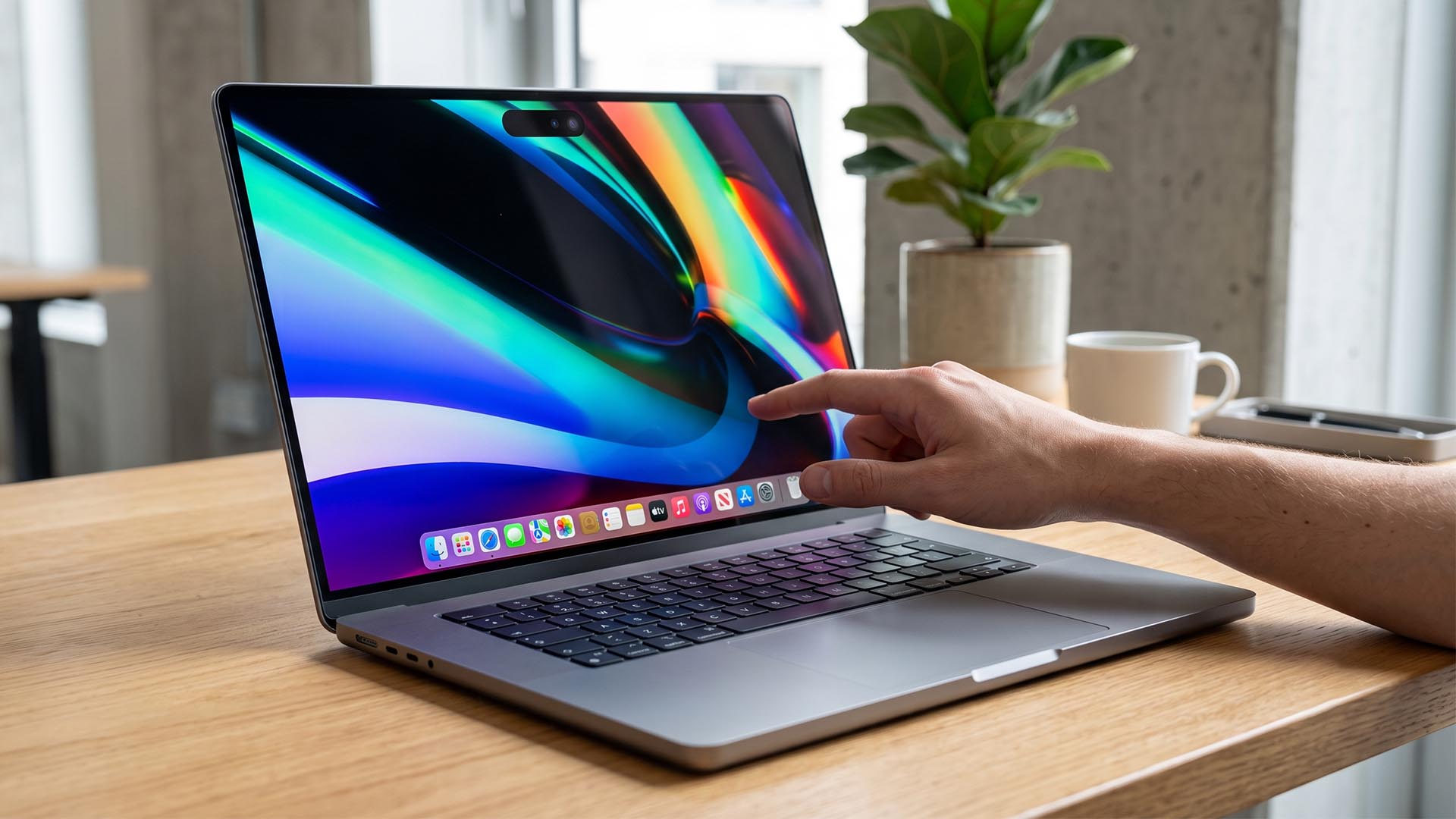
Apple may be preparing one of its biggest MacBook redesigns in years, with a new high-end model reportedly planned for the fourth quarter of 2026. The device is being referred to in reports as the MacBook Ultra, and it could bring several major changes to Apple’s laptop lineup, including an OLED touchscreen, a thinner body, redesigned hinges, and the removal of the display notch.
While those upgrades sound exciting, the rumored MacBook Ultra may also arrive with a price tag that places it firmly in the ultra-premium category. Because of that, Apple is reportedly not expecting massive early shipment volumes, which may explain why the company is said to be relying on only one OLED display supplier for the device.
Samsung is reportedly expected to be the exclusive supplier of OLED panels for the MacBook Ultra. The panels are said to come in 14-inch and 16-inch sizes, matching Apple’s current MacBook Pro lineup. Around 2.5 million units are reportedly planned for mass production, which suggests Apple is taking a cautious approach with its first major OLED MacBook launch.
The decision to use just one supplier may be tied to the relatively limited production target. Since the MacBook Ultra is expected to be expensive, Apple may not anticipate the kind of demand that would require multiple display partners at launch. A single supplier could also help Apple simplify production and negotiate better pricing for the advanced OLED panels.
The rumored OLED touchscreen would be one of the biggest shifts ever for the MacBook. Apple has long avoided bringing touchscreens to its Mac lineup, instead keeping touch input focused on the iPad. If the MacBook Ultra does include a touch display, it could mark a major change in Apple’s notebook strategy and make the device more appealing to creative professionals, designers, and power users who want more flexible input options.
Other expected design changes could make the MacBook Ultra feel significantly more modern. The removal of the notch would give the display a cleaner look, while a thinner chassis and updated hinge design could help the laptop stand apart from the current MacBook Pro models. These refinements may help Apple position the device as a true next-generation MacBook rather than a simple display upgrade.
However, the internal hardware may not be as new as some buyers would hope. Reports suggest Apple may use the M5 Pro and M5 Max chips in the MacBook Ultra, even though those chips are also expected to appear in existing mini-LED MacBook Pro models. If accurate, this could make the MacBook Ultra less appealing to customers who prioritize performance gains over design changes.
There are also claims that Apple may skip the M6 Pro and M6 Max generation entirely, moving instead toward M7 Pro and M7 Max chips later on. If that happens, the MacBook Ultra could launch during an unusual transition period, offering a new exterior design and display technology while relying on processors that may already be familiar to MacBook Pro buyers.
Pricing could become the biggest challenge. OLED panels are more expensive than mini-LED displays, and the addition of touchscreen technology, a slimmer design, and new mechanical components could push costs even higher. Rising memory and storage prices may also affect the final retail price, making the MacBook Ultra one of Apple’s most expensive laptops to date.
That premium positioning may limit demand, at least initially. Many MacBook Pro users may be hesitant to pay significantly more for a redesigned model if the performance difference is not substantial. For professionals who already own a recent MacBook Pro, the appeal of an OLED touchscreen and thinner body may not be enough to justify upgrading right away.
Still, the MacBook Ultra could play an important role in Apple’s long-term laptop strategy. Even if the first model ships in limited numbers, it could introduce technologies that eventually spread to the wider MacBook lineup. OLED displays, touch support, slimmer designs, and notch-free screens could become standard features over time, especially if Apple can reduce production costs.
For now, the MacBook Ultra remains a rumored product, but the reports point to a major shift in Apple’s MacBook design philosophy. If the device does arrive in late 2026, it could become one of the most talked-about Apple laptops in years. The real question is whether customers will see it as a bold leap forward or simply a very expensive redesign with familiar performance inside.