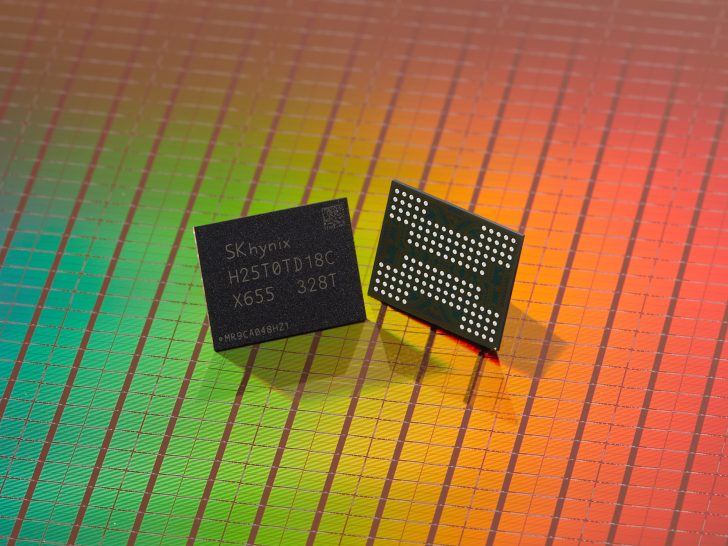
In an unexpected twist in the tech world, SK Hynix is emerging as a formidable challenger to Samsung’s dominance in the NAND flash market. Known more for its competitiveness in the HBM market, SK Hynix has now made waves by developing the groundbreaking 321-layer NAND flash technology. This advancement marks a significant milestone, as the firm gains an edge in “cell stacking” technology, an area previously dominated by Samsung.
This impressive achievement from SK Hynix isn’t just about stacking more layers. It promises real-world benefits, claiming to deliver a 12% boost in data transfer speeds, a 13% increase in read performance, and more than 10% in power efficiency improvements. These enhancements could potentially reshape market dynamics, putting SK Hynix at the forefront of flash technology innovation.
Samsung has long been considered the “pioneer” in vertically stacking cells, but SK Hynix’s leap forward suggests that change is afoot. With this latest development, Samsung, a giant in this industry, may find its dominance under serious threat.
The competition is heating up, with Samsung now in the hot seat. Industry experts believe that for Samsung, a trifecta of setbacks—losing ground in DRAM, HBM, and now NAND—could have far-reaching repercussions beyond business, impacting the broader technology landscape. While Samsung currently leads in sales, SK Hynix’s strong showing in the expanding eSSD market could quickly change those dynamics.
Despite SK Hynix’s technological triumph, scaling up production to meet demand is a daunting challenge. Samsung’s longstanding reputation for efficient manufacturing certainly gives it an advantage. However, Samsung’s recent struggles, coupled with difficulties in attracting new clients, offer SK Hynix a prime opportunity to cement its standing in the NAND market.
As this rivalry unfolds, it’s clear that it’s not just about achieving commercial victory but also an expression of technological prowess and cultural significance in the South Korean tech landscape. The coming months could reveal how SK Hynix and Samsung navigate this intense competition, potentially reshaping the future of storage technology globally.