SK Hynix is accelerating its next-generation memory strategy as demand for AI hardware continues to surge worldwide. The company is expanding its global manufacturing footprint and investing in advanced research infrastructure to strengthen its position in the DRAM and high-bandwidth memory markets.
At the 2026 Global Forum in California, SK Hynix CEO Kwak No-jung emphasized that memory is now one of the most important foundations of the artificial intelligence industry. As AI models grow larger and computing workloads become more demanding, the need for faster, denser, and more power-efficient memory continues to rise.
Kwak stated that the AI industry cannot exist without memory, underlining how essential DRAM, HBM, and other advanced memory solutions have become for data centers, AI accelerators, PCs, smartphones, and next-generation computing platforms. He added that SK Hynix plans to create new opportunities for AI through upcoming memory technologies, building on the company’s success in High Bandwidth Memory.
SK Hynix has already established itself as a major force in the global memory market. The company is one of the leading DRAM suppliers, competing alongside Samsung and Micron, while also facing rising pressure from China-based memory manufacturers as global demand expands.
To maintain its technological advantage, SK Hynix is developing new production bases in key regions. These include the large semiconductor cluster in Yongin, Gyeonggi Province, South Korea, and a new fabrication facility in Indiana, United States. The company is also building a global AI research and development center in the U.S., which is expected to support future innovation in AI-focused memory products.
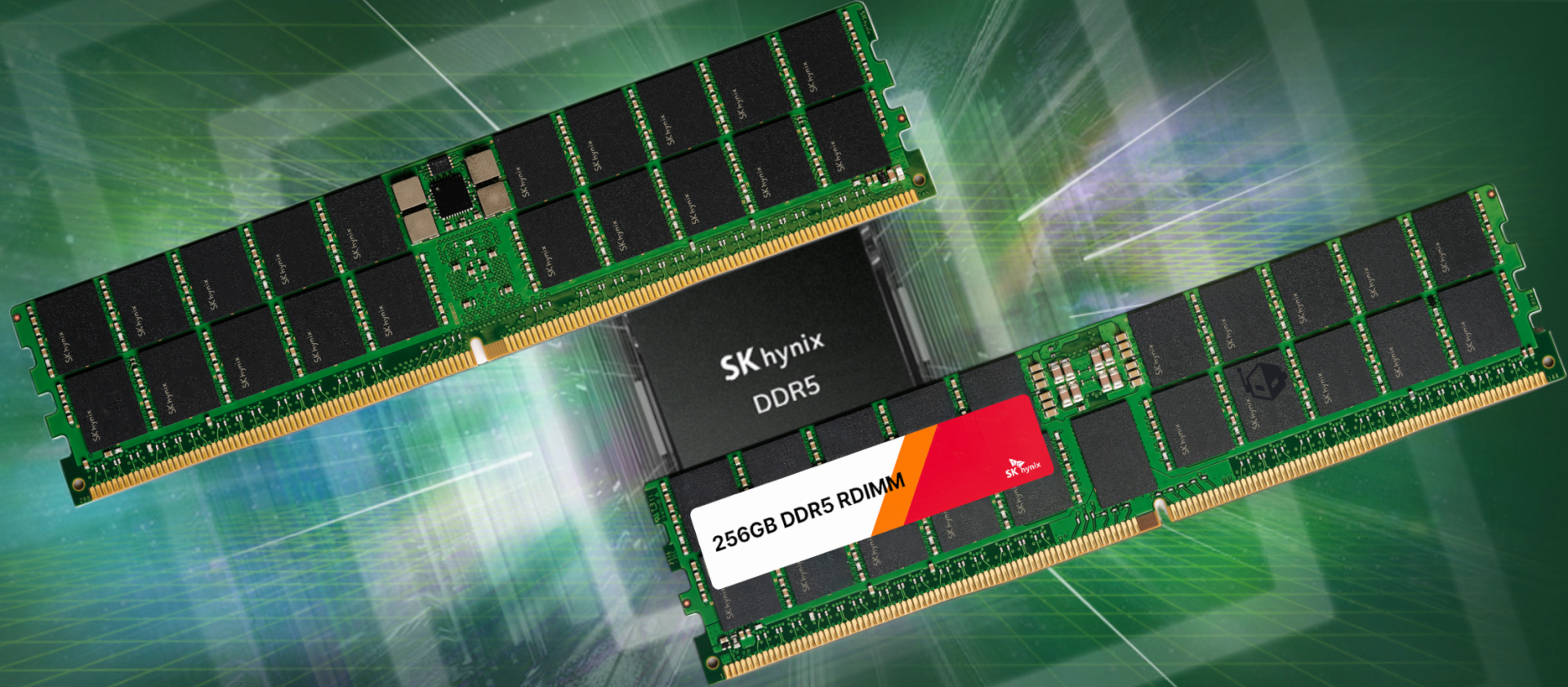
These facilities will play an important role in the development and production of SK Hynix’s next-generation memory portfolio. The company already offers a broad range of technologies, including HBM, LPDDR, and DDR memory. Its latest HBM4 technology is being prepared for advanced AI accelerator platforms, while the company is also working on HBM4E as the next step in high-bandwidth memory performance.
Beyond AI data centers, SK Hynix is also preparing future memory standards for consumer and enterprise devices. LPDDR6 is expected to support the next wave of smartphones, mobile AI devices, and low-power computing products, while DDR6 will target future PCs, servers, and high-performance systems.
The company’s strategy highlights how central memory has become to the global AI race. While processors and AI accelerators often receive the most attention, memory bandwidth and capacity are just as critical for training and running advanced AI models. Without sufficient memory performance, even the most powerful chips can face bottlenecks.
SK Hynix aims to stay ahead by combining advanced design, process technology, packaging, and system-level development. Its focus on HBM and future DRAM standards reflects the growing need for memory that can keep up with increasingly complex AI workloads.
With new production sites, expanded research capabilities, and a clear roadmap for HBM4, HBM4E, LPDDR6, and DDR6, SK Hynix is positioning itself as a key supplier for the AI era. The company’s message is clear: as artificial intelligence continues to grow, next-generation memory will be one of the technologies that defines the future of computing.