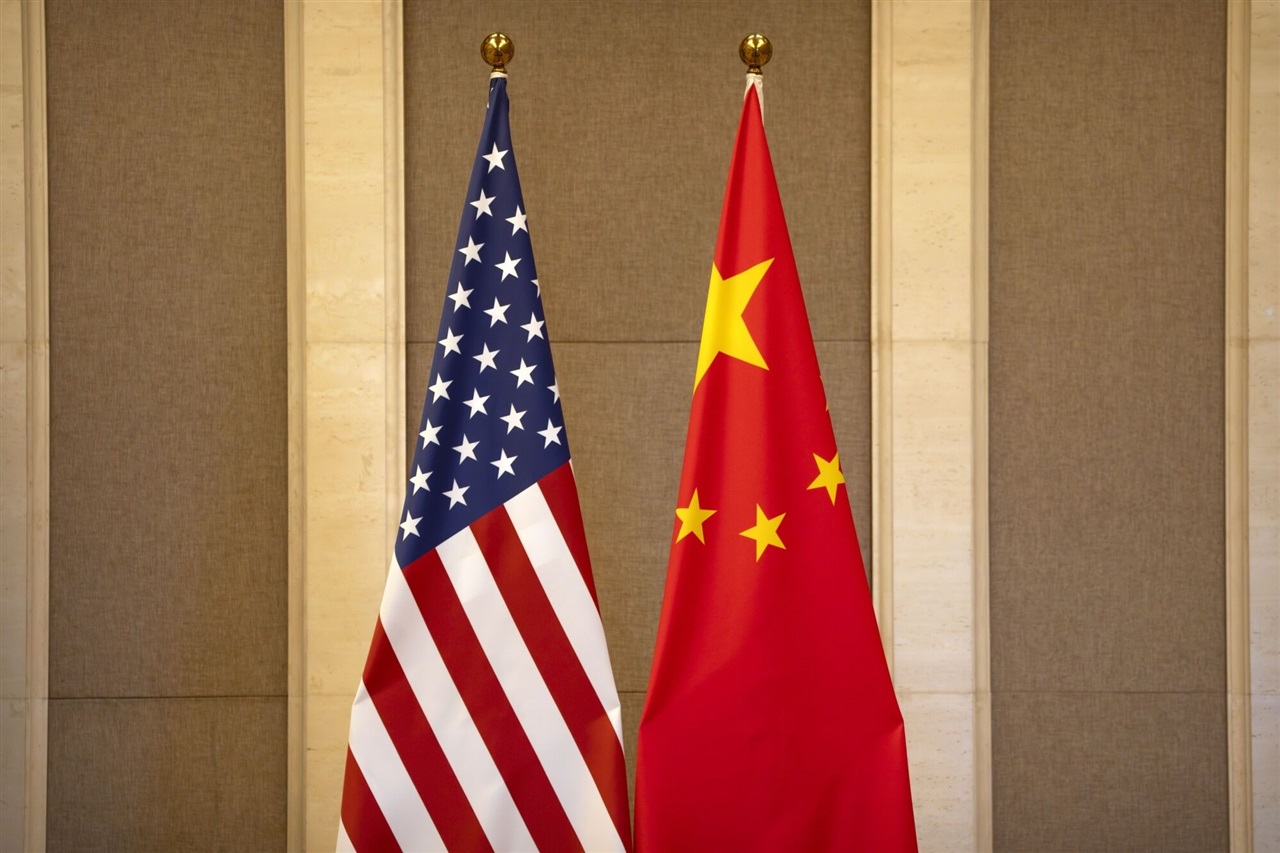
A high-stakes meeting in Geneva earlier this month illuminated the ongoing struggle between the United States and China over the future of artificial intelligence (AI). Top officials from both nations spent seven hours discussing their concerns and the potential paths to managing the risks associated with this rapidly advancing technology. AI is not only a field of scientific interest but also a crucial battleground for economic and geopolitical dominance.
Artificial Intelligence, with its promise to transform industries—from healthcare and transportation to finance and defense—has become a strategic focal point for major global powers. As the two largest economies in the world, the US and China recognize the transformative potential of AI. They are both eagerly investing in research and development, nurturing talent, and setting up policies to steer the course of innovations in their favor.
The intense talks at the Geneva hotel indicate that both nations are aware of the delicate balance between collaboration and competition. As AI systems grow ever more powerful, they raise concerns about ethical use, privacy, security, and the risk of misalignment with human values. Ensuring AI is developed and managed responsibly is a common fear amongst global leaders, given its potential to disrupt the social fabric and global power structures.
The Geneva discussions represent a microcosm of the larger US-China dynamics, reflecting a shared understanding of AI’s significance while underscoring the competitive edge each seeks to secure. This duality is central to the narrative surrounding AI’s future. On the one hand, there’s a need for global dialogue on standards, ethics, and safe integration of AI into society. On the other, the mutual pursuit of technological supremacy may trigger an innovation race with profound implications for the balance of power.
Recent trends further emphasize the AI race between these two nations. Both countries have made significant advancements in AI’s application, with China focusing on wide-scale implementation within smart cities, surveillance, and facial recognition, while the United States has maintained a lead in cutting-edge research and development, particularly within the private sector.
For readers interested in understanding the implications of the US-China relationship in AI, it’s essential to follow the investments each country makes in technology, talent, and infrastructure. Monitoring policy decisions, like regulations that may govern AI usage or international partnerships that might shape knowledge-sharing, is also crucial.
Individuals and organizations alike can apply the insights from such high-level conversations to assess the AI landscape’s evolution. Companies might, for instance, adopt more robust data ethics frameworks to stay ahead of potential regulatory shifts. Additionally, staying informed about AI tools and platforms emerging from these AI powerhouses can provide opportunities for early adoption or partnerships, ensuring you remain at the forefront of technological innovation.
In conclusion, the prolonged discussion in Geneva serves as a reminder that the future of AI is not solely determined by technological advances but also by the complex geopolitical maneuvers of world powers like the US and China. The race to dominate AI is much more than a quest for technological hegemony—it is a strategic play with far-reaching impacts across all facets of life and work. Being alert to this dynamic is vital for those looking to understand and navigate the ever-evolving landscape of artificial intelligence.