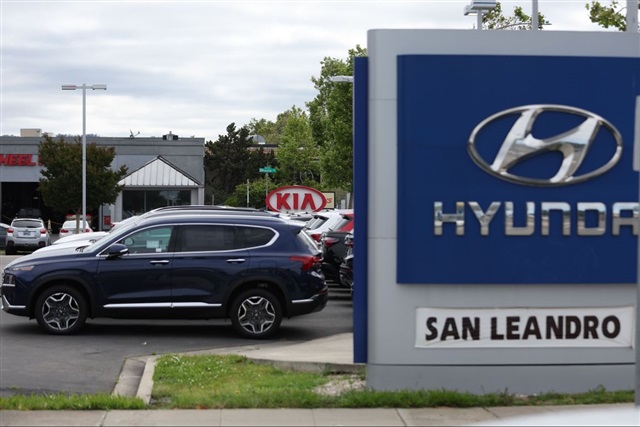
South Korea is moving quickly to the negotiating table in Washington after the United States reportedly cut tariffs on Japanese automobiles, a shift that could tilt showroom prices and put South Korean brands at a disadvantage. With price competition defining much of the American car market—especially in hot-selling segments like crossovers, SUVs, hybrids, and EVs—Seoul is seeking swift assurances that its automakers won’t be left behind.
The concern is straightforward: lower import costs for Japanese vehicles can translate into lower sticker prices, richer incentives, or both. That would make it harder for South Korean brands to compete on value, a core strength that has powered their growth in the U.S. for years. The government’s push for urgent talks aims to secure tariff parity or an equivalent form of relief so that Korean models don’t lose ground precisely when buyers are tightly focused on affordability, fuel efficiency, and tech features.
For South Korea, the stakes go beyond dealership lots. The U.S. is one of the most important and profitable export destinations for Korean automakers and their suppliers. Any sustained price gap could ripple through production plans, parts orders, and investment decisions. It could also affect new model launches—particularly hybrids and electric vehicles—where pricing flexibility often determines sales momentum.
What Seoul is likely to pursue
– Equal footing on tariffs for finished vehicles so Korean and Japanese brands compete under the same cost structure.
– Clear treatment for key components and parts, limiting any indirect pricing advantages that could arise through supply chains.
– Transitional measures to prevent sudden market disruptions while talks play out.
– Flexibility around clean-vehicle incentives and rules that influence EV affordability and sourcing.
What automakers may do in the meantime
– Adjust incentives and financing to offset any emerging price gaps.
– Refocus marketing on warranty coverage, reliability, safety scores, and in-car tech to defend market share without deep price cuts.
– Optimize trim mixes and local content to sharpen pricing while protecting margins.
– Accelerate U.S. manufacturing or sourcing shifts if that improves cost competitiveness over the medium term.
Why this matters to U.S. car buyers
– Near-term promotions could intensify as brands jockey for position, particularly in popular segments like compact SUVs and midsize crossovers.
– Hybrid and EV pricing dynamics may shift if tariff changes alter landed costs for specific models.
– Greater competition typically means more choice and sharper deals, but outcomes will depend on how quickly policy talks conclude.
Possible outcomes to watch
– Full parity: Washington extends comparable tariff treatment to South Korean vehicles, neutralizing price disadvantages.
– Partial relief: Limited adjustments that narrow, but don’t erase, price gaps.
– Prolonged uncertainty: No immediate deal, forcing automakers to rely on incentives and product strategy to defend share.
Timeline and signals
– Official statements from trade and industry ministries in both countries will be key indicators of scope and speed.
– Updates from major automakers on pricing, incentives, and U.S. production plans will reveal how the industry is adapting.
– Any alignment on component rules or clean-vehicle criteria could be as consequential as headline tariff rates.
Bottom line: South Korea wants assurance that its automakers can compete on a level playing field after the U.S. move on Japanese auto tariffs. With market share, investment, and consumer prices on the line, both governments have strong reasons to find a balanced solution—sooner rather than later.