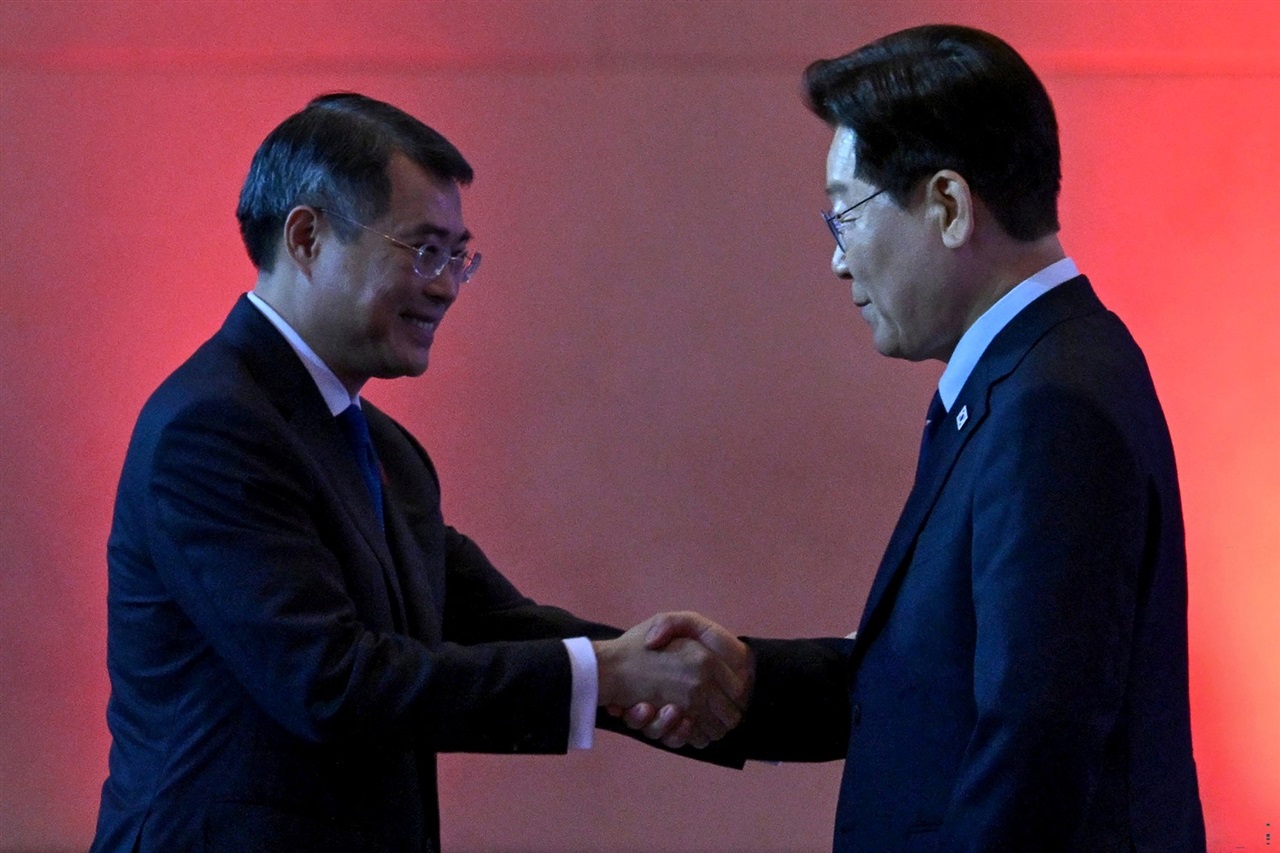
South Korea and Vietnam are taking their strategic partnership to a new level, unveiling expanded cooperation across technology, energy, and major infrastructure as the two countries move to strengthen supply chain resilience in an increasingly uncertain global economy.
During South Korean President Lee Jae-Myung’s visit to Hanoi, officials and business leaders from both sides signed dozens of agreements aimed at deepening ties in key industries that underpin modern manufacturing and trade. The deals signal a clear shared priority: building more reliable, diversified supply networks while accelerating growth in high-value sectors such as advanced technology and energy.
For businesses and investors watching Asia’s manufacturing landscape, the timing is notable. Companies worldwide have been rethinking where and how goods are produced, driven by shifting geopolitical dynamics, rising logistical risks, and the need for stable access to critical components. By widening collaboration in technology and infrastructure, South Korea and Vietnam are positioning themselves as long-term partners in creating stronger, more resilient supply chains.
Technology cooperation is expected to be a central pillar of the expanded relationship, reflecting both countries’ strengths and ambitions. South Korea brings deep expertise in high-end manufacturing and innovation, while Vietnam continues to rise as a major production hub with a growing skilled workforce and expanding industrial capacity. Closer alignment can help streamline production pipelines, support the development of next-generation industrial capabilities, and improve continuity for global supply networks.
Energy and infrastructure are also high on the agenda, with initiatives designed to support large-scale industrial growth while improving long-term stability. Reliable energy supply and modern infrastructure are essential for sustaining manufacturing output, attracting foreign investment, and reducing disruption risks. By coordinating in these sectors, Seoul and Hanoi can accelerate development that benefits export industries, logistics networks, and broader economic competitiveness.
This expanded set of agreements underscores a broader trend: regional partnerships are becoming increasingly important as countries and companies look for practical ways to manage supply chain exposure. With South Korea and Vietnam reinforcing cooperation across technology, energy, and infrastructure, the two nations are signaling that they intend to be central players in Asia’s evolving economic and industrial future.