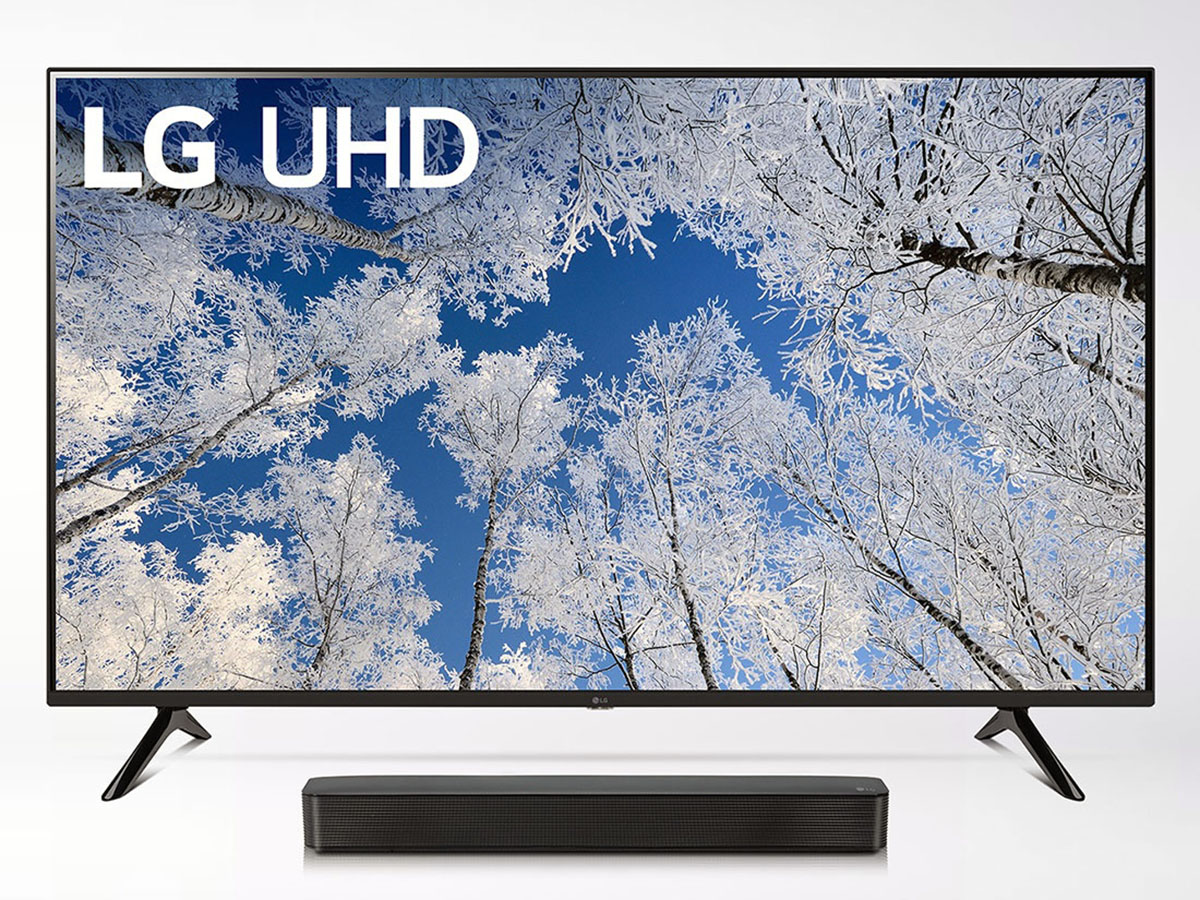
Shoppers usually expect a familiar pattern after CES: once Samsung and LG show off their latest OLED TVs in Las Vegas, last year’s models start getting discounted, often hitting their lowest prices sometime between March and May when the new lineup reaches stores. In 2026, that predictable markdown cycle may not happen. Instead, TV prices across the board could move in the opposite direction.
The warning signs aren’t limited to high-end OLED sets, either. While OLED TVs continue to dominate the premium conversation, they remain a small slice of the overall market because of their higher cost. The reality is that more than 95% of TVs sold worldwide still rely on LCD panels, which means any disruption in LCD panel pricing quickly affects mainstream shoppers looking for popular screen sizes. Even well-liked OLED models can remain pricey; as one example, Samsung’s 65-inch S90F QD-OLED has hovered around the $1,500 mark despite promotions.
So why would prices rise when buyers are expecting discounts? It comes down to a combination of component costs and supply constraints. TV brands, along with smartphone makers, have been stocking up on key parts like memory and display components to get ahead of further increases. That inventory buildup pushes demand higher at the component level, putting upward pressure on prices. At the same time, seasonal factory slowdowns in China during this period reduce output, tightening supply when manufacturers are trying to secure parts.
The result is expected to be higher prices for large TV panels, which then filters into the retail price of LCD televisions, especially in the most common sizes people buy. Supply chain analysts suggest that during the first quarter, the reduction in TV panel supply could be roughly double the decline in demand. In other words, even if demand softens a bit after the holiday season, supply may drop faster—often a recipe for price increases rather than clearance sales.
There is a chance the market could cool off after manufacturers finish building inventory, similar to how pricing pressure eased following the last major memory crunch. But there’s an important difference this time: ongoing AI-driven demand for memory and data center hardware may keep component prices elevated longer than expected.
Samsung’s recent earnings guidance adds context to the bigger picture. The company has benefited from strong memory pricing, with indications that quarterly profit may surpass 20 trillion won (about $13.8 billion) for the first time—helped by high memory prices tied to everything from phones and laptops to AI infrastructure. When memory remains expensive across industries, it becomes harder for TV makers to cut costs and pass savings along to consumers.
For buyers, the takeaway is simple: 2026 may not be the year to count on springtime TV bargains. If panel supply stays tight and component costs remain high, even mid-range and budget LCD TVs could become more expensive in the near term, potentially reshaping the usual “wait for the next model, pay less” shopping strategy.