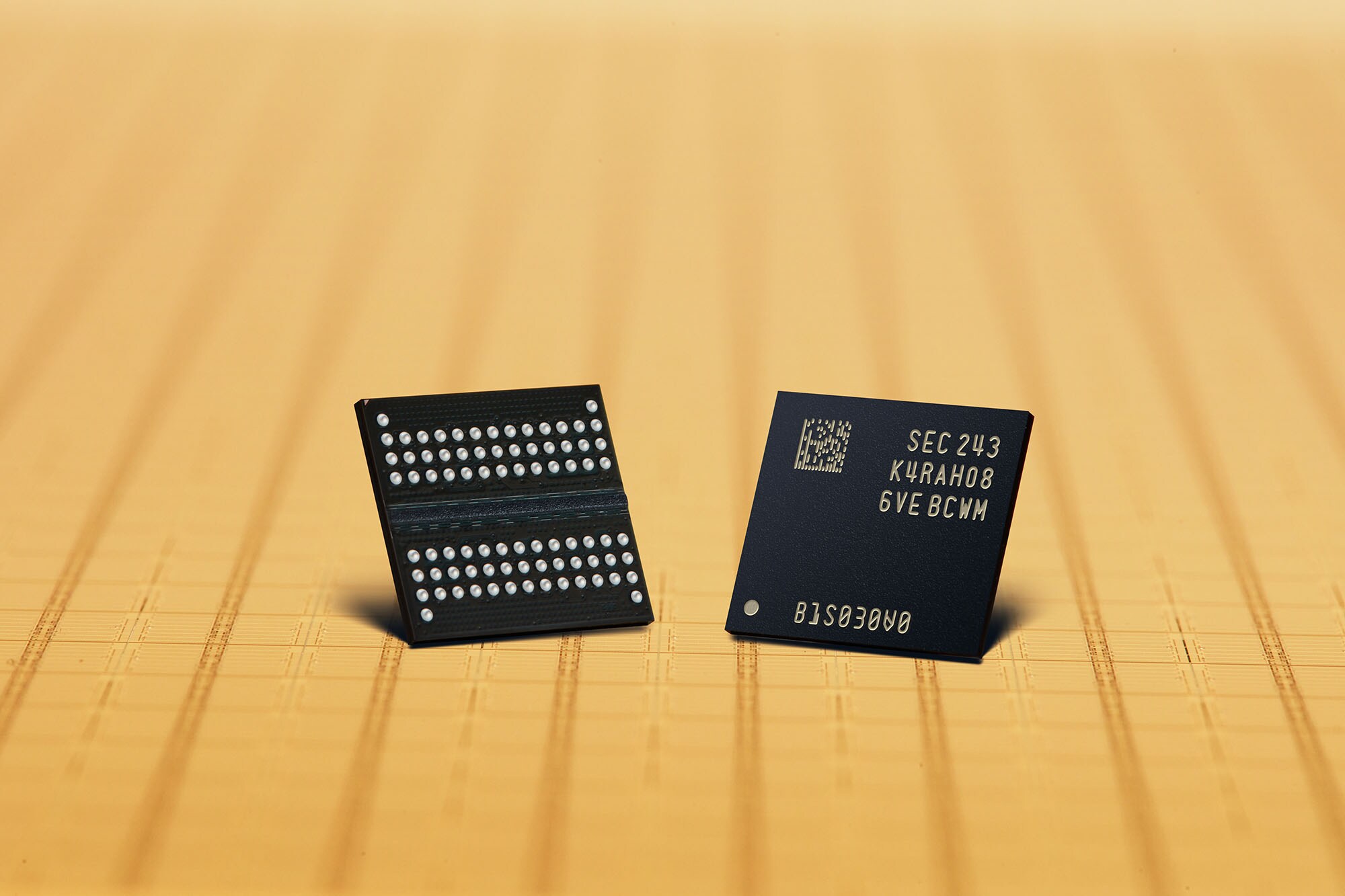
Samsung is back on top of the global DRAM market, reclaiming the No. 1 position after a period where rivals gained ground. The turnaround comes as the company’s reshaped high-bandwidth memory (HBM) strategy starts delivering results and a broader upswing in memory demand boosts the entire sector.
A new industry report from Omdia indicates Samsung’s DRAM market share has climbed to 36.6%, putting it ahead of SK hynix, which now sits at 32.9%. This shift is notable because Samsung has long been the dominant force in DRAM thanks to its scale and manufacturing capacity, but last year it missed key goals—opening the door for competitors to take share and briefly push Samsung out of the top spot.
What’s powering Samsung’s comeback is a combination of momentum in the current DRAM supercycle and real progress in HBM, the high-performance memory increasingly tied to AI and advanced computing. Samsung has reportedly secured important HBM3E business across major customers, including leading GPU makers like NVIDIA and AMD, as well as specialized ASIC developers. These wins matter because HBM demand is being pulled forward by data centers racing to expand AI infrastructure, and suppliers that can meet performance and volume requirements are best positioned to grow.
Samsung is also preparing to ride the next wave: HBM4. The company is said to be lined up to support upcoming platforms, adding another confidence boost that Samsung can remain a key supplier as the market transitions to the next generation of AI-focused hardware.
Beyond HBM, Samsung’s strength in general-purpose DRAM is also helping it widen its lead. Demand has been especially strong for newer memory products used across servers, PCs, and mobile devices, including DDR5, LPDDR, and SOCAMM modules. Hyperscalers have been adopting these technologies quickly, and Samsung’s manufacturing scale gives it an advantage when enterprise customers need consistent supply at high volumes. With much of today’s large-scale procurement flowing toward vendors that can deliver both performance and capacity, Samsung’s production footprint becomes a major competitive edge.
Meanwhile, the same report suggests Micron’s share has slipped to 22.9%, underscoring how fiercely competitive the DRAM landscape has become as buyers prioritize cutting-edge specs, stable supply, and readiness for the next platform shift.
Looking ahead, the spotlight will be on how Samsung executes in the HBM4 era. With industry push toward faster pin speeds and more advanced internal logic integration, suppliers that can deliver high performance while scaling capacity will shape the next phase of AI and data center growth. If Samsung continues converting its HBM roadmap into real deployments—while maintaining its dominance in mainstream DRAM—the company could strengthen its lead even further into 2026.